Mindfulness reduces stress in autistic people and their parents, review finds
A July 6 review of 38 trials found mindfulness eased anxiety, depression, stress and behavior in autism families, but core autism symptoms did not change.
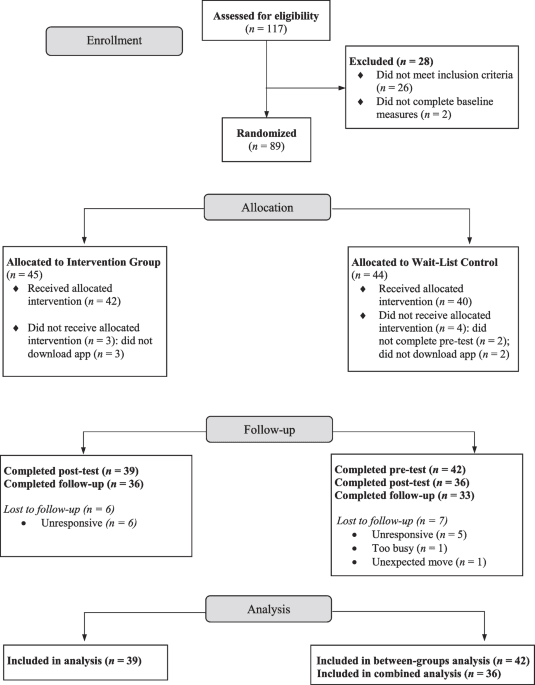
Mindfulness-based interventions eased internalizing and externalizing behaviors in autistic people and reduced anxiety, depression and stress in parents, but they did not significantly change core autism symptoms, a July 6 review in Mindfulness found. The paper, by Han Li, Yidi Mao and Juan Zhang, pulls those results into one family-centered picture instead of treating autistic participants and parents as separate cases.
The authors searched six databases from inception through August 2025 and synthesized 38 randomized controlled trials, with 32 trials included in the meta-analysis. That matters because the review was preregistered on OSF and used Cochrane’s RoB 2 tool, two markers that strengthen confidence in how the evidence was assembled and checked.
For autistic participants, the signal was narrower than the hype around mindfulness often suggests. The interventions were linked to better internalizing behaviors and fewer externalizing behaviors, but the review did not find a significant shift in core autism symptoms. In plain terms, mindfulness looked more like a support for regulation and distress than a treatment that changes the underlying neurodevelopmental profile.
The parent findings were clearer. Across the trials, mindfulness-based programs significantly reduced parental anxiety, depression and stress, while also increasing mindfulness. That is the part families and clinicians can use most directly right now: the strongest gains were on caregiver strain, not on autism symptoms themselves. The review also found moderator effects tied to age and geographic region, which suggests the same format will not land the same way for every child, caregiver or service setting.
That makes delivery design as important as the technique itself. A generic stress-reduction class is not what this evidence points toward. The more useful version is a mindfulness program adapted to developmental stage and context, whether that means school-based support for a child, a therapist-led group, or a parent-focused course built around coping and regulation.
The new paper lands in a service landscape where the scale of need is obvious. CDC surveillance now estimates about 1 in 31 U.S. children aged 8 years has been identified with autism spectrum disorder, up from 1 in 36 in the agency’s 2023 ADDM release. Against that backdrop, caregiver-support tools carry real weight, especially when waiting lists and daily stress pile up at the same time.
The review also fits with earlier syntheses that pushed in the same direction. A 2025 Frontiers in Psychology meta-analysis of 12 randomized trials with 643 participants found reduced parental stress, anxiety and depression, plus improved mindfulness awareness in parents and better social responsiveness in children. A 2024 Brain Sciences review, which covered 37 studies, judged mindfulness feasible and potentially useful for autistic people and caregivers, while still warning that the evidence base was low quality. Put together, the message is now less about whether mindfulness works in autism services and more about where it works best, for whom, and for what it can realistically do.
This article was produced by Prism’s automated news system from verified source data, official records, and press releases, then run through automated quality and moderation checks before publishing. The system is built and supervised by the people who set the standards it runs under. Read our full AI policy.
Did this article answer your question?