Mindfulness sessions boost hope and prosocial behavior in Afghan child laborers
Twelve weekly mindfulness sessions lifted hope and prosocial behavior in 30 Afghan boys in Tehran, but the study stayed small and nonrandom.
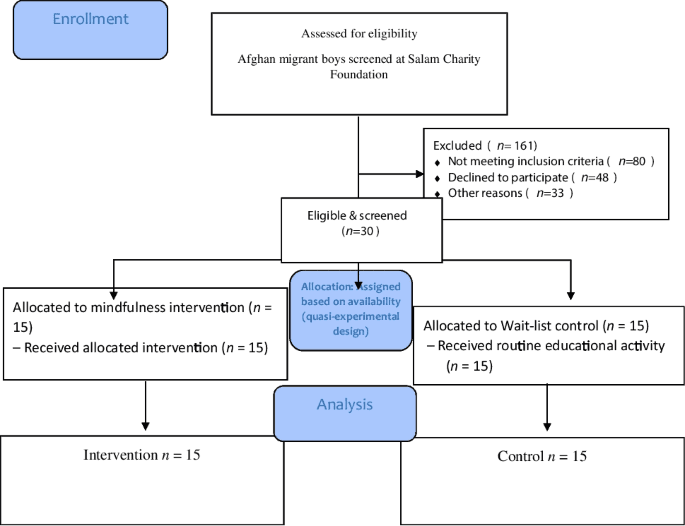
Twelve weekly mindfulness sessions were enough to move the numbers for 30 Afghan migrant boys working through a charitable program in Tehran. In a quasi-experimental pretest-posttest study, the boys, ages 11 to 13, were split into an intervention group and a wait-list control group based on availability, and the mindfulness group finished with higher hope scores and stronger prosocial behavior, while antisocial behavior and victimization scores were lower.
The intervention was built for a setting where resources are limited and the need is urgent. Researchers Ali Kazemi, Hossein Kaghazloo, Mona Sharifi, Julia Rosenberg and Fereshteh Ganjavi measured outcomes with Snyder’s Child Hope Scale and the Child Social Behavior Scale, then compared the posttest results across the two groups. The pattern was clear enough to matter: mindfulness was associated with better emotional and social functioning, not as a vague wellness exercise, but as a structured practice delivered once a week over 12 sessions.
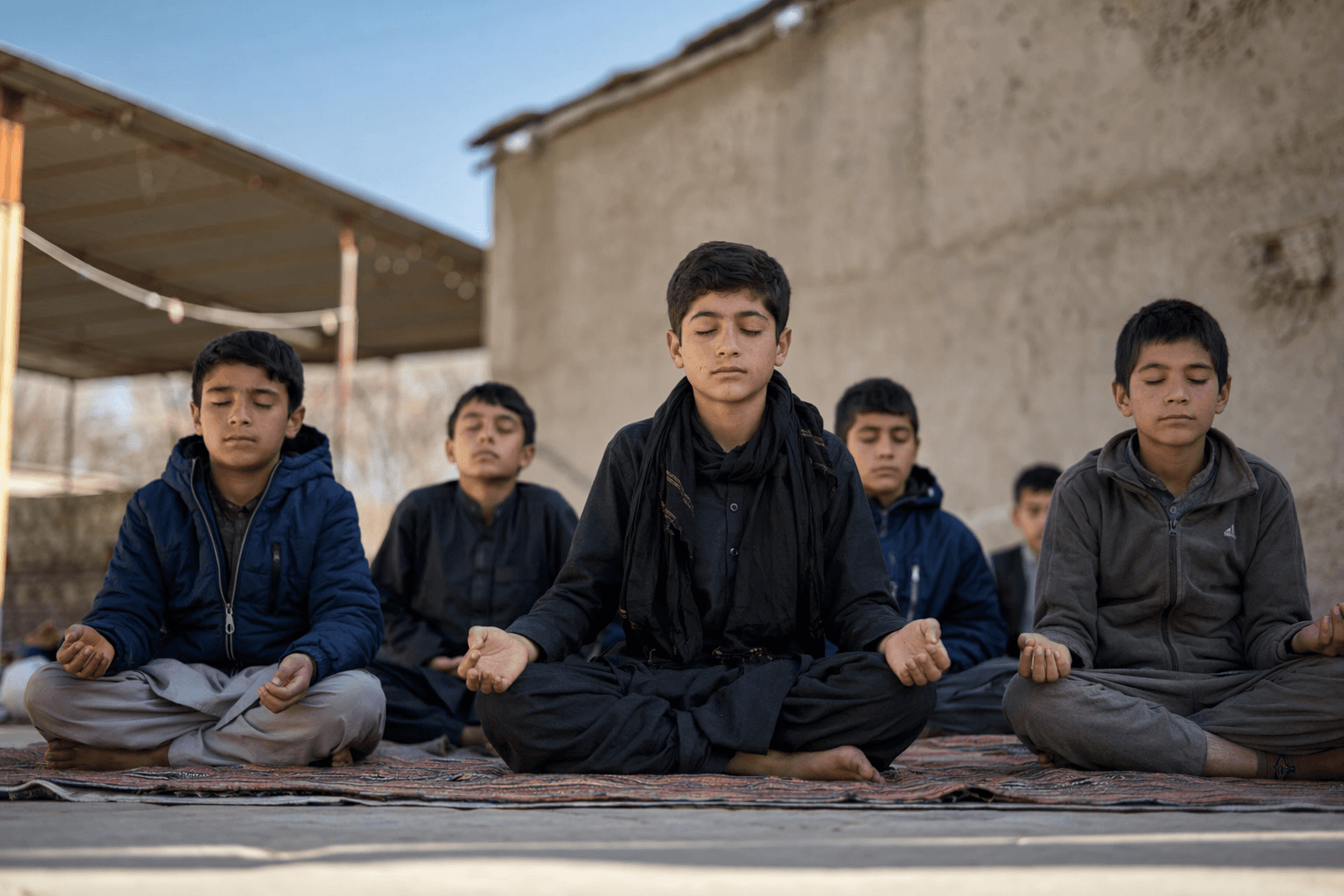
That matters in Tehran, where Iranian officials have said there are about 3,200 identified child laborers and roughly 85% are Afghan migrants or other foreign nationals. A separate qualitative study in the city interviewed 25 Afghan child laborers in 2022 and documented serious daily hardship, adding context to why a small psychosocial intervention can still be relevant in a city where many children are already carrying migration stress, economic pressure and disrupted schooling.
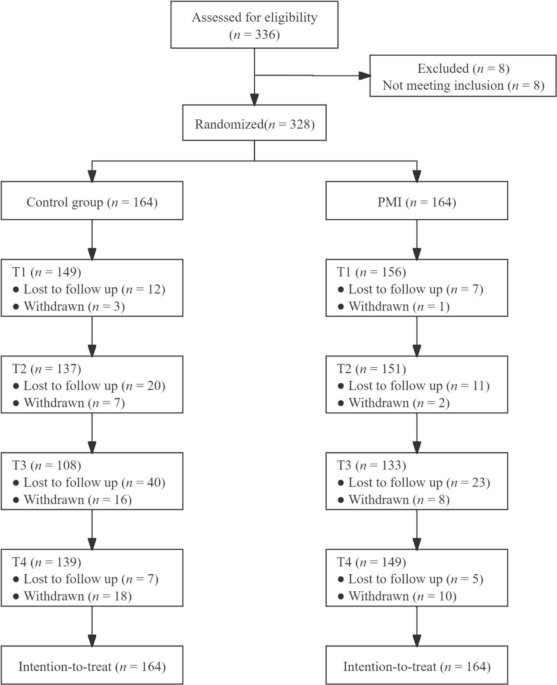
The study’s value is also in its limits. The sample was small, the assignment was not fully randomized, and the work was not preregistered, so the findings are best read as preliminary rather than decisive. Still, the results fit a growing line of research that is testing mindfulness-based interventions in displaced communities. A 2025 scoping review found that these programs are being studied for mental health benefits among refugees and migrants, but implementation remains difficult. A 2019 study in Belgium explored mindfulness feasibility with unaccompanied refugee minors, showing that the idea has been moving through different community settings for years.
What this study suggests is narrow but important: mindfulness may help children under severe strain build a little more hope and behave more prosocially when it is delivered in a real-world program they can actually attend. What it cannot do is close the wider support gap facing Afghan child laborers in Tehran. The strongest reading of the data is practical, not sentimental: a weekly intervention can support children, but it cannot replace the safety, stability and services they still lack.
Know something we missed? Have a correction or additional information?
Submit a Tip