WeChat mindfulness trial eases symptoms for gastrointestinal cancer patients
WeChat mindfulness moved into perioperative GI cancer care and changed recovery markers, not just stress. The seven-session program fits a hospital schedule.
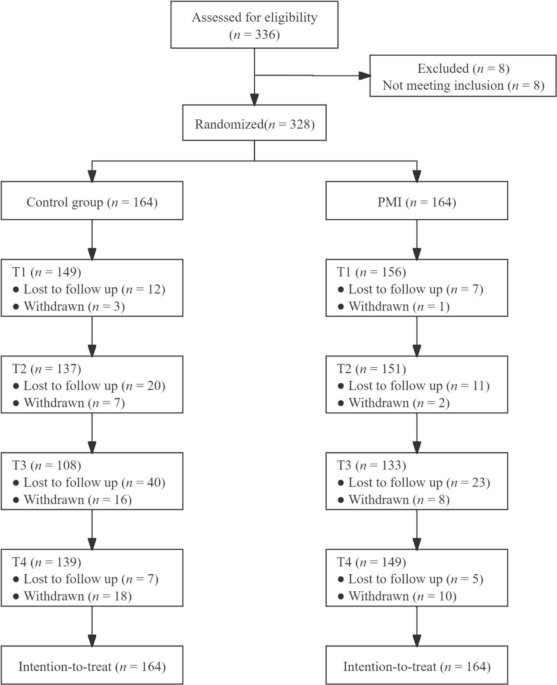
Mindfulness is being tested where hospital care actually happens: before surgery, through recovery, and into discharge planning. In a randomized trial of 328 patients with gastrointestinal cancer, a seven-session WeChat program paired health education with mindfulness practice and then measured whether that changed symptom patterns, recovery quality, and hospital stay. That is a much tougher test than asking whether people feel calmer after a meditation clip.
How the protocol was built around surgery
The trial was prospectively registered in the Chinese Clinical Trial Registry under ChiCTR2100044752 on March 26, 2021, and it split patients evenly, with 164 in the intervention group and 164 in the control group. The delivery format matters here: the mindfulness sessions ran through WeChat, which makes the intervention portable during a period when patients are often moving between pre-op visits, wards, scans, and recovery. Seven perioperative sessions is not a lofty retreat model. It is a schedule built to fit the rhythm of cancer treatment.
The researchers did not treat mindfulness as a vague wellness add-on. They combined it with health education and multimedia content, which makes the intervention more like a support pathway than a motivational slogan. That is also why this study is interesting for hospitals. If a unit already uses digital patient education, a WeChat-based mindfulness track is not a huge conceptual leap.
What changed, and what the study actually measured
The team tracked patients with three tools: the M.D. Anderson Symptom Inventory-Gastrointestinal Cancer Module, the Quality of Recovery-15, and the Stress Response Questionnaire. Assessments were taken 2 days before surgery, then 2, 6, 10, and 14 days after surgery. That timeline matters because it catches the real perioperative window, when pain, sleep disruption, dry mouth, stress, and recovery issues tend to cluster instead of appearing one at a time.
The abstract reports statistically significant differences between groups in recovery quality, adaptation status, and length of hospital stay. The intervention was also analyzed with the Network Comparison Test and Network Intervention Analysis, which is a smarter way to look at the messy reality of cancer recovery than simply averaging one symptom score. Instead of asking only whether distress went down, the study asked which symptoms seemed to sit at the center of the network.
That analysis identified dry mouth, sleep disturbances, and pain as the key mindfulness intervention targets during the perioperative period. In plain hospital terms, those are the kinds of problems that make patients miserable, complicate rest, and drag out recovery. If a mindfulness program is going to earn a place in standard care, this is the level it has to hit.
Why this looks more repeatable than a one-off wellness pilot
The most promising part of this trial is not the idea of mindfulness in the abstract. It is the way the intervention is wired into ordinary treatment flow. A digital program can follow a patient through surgery instead of asking the patient to go out of their way to find the program, which is especially useful when mobility, pain, travel, and inpatient routines are all working against attendance.
That practical advantage echoes earlier perioperative work. A 2024 study in gastrointestinal tumor patients found that short-term mindfulness meditation, delivered daily from the second day of admission until the fifth day after surgery, reduced cortisol, anxiety, pain, postoperative analgesic use, and hospital stay. That is the kind of outcome set hospital leaders understand immediately: fewer symptoms, less medication burden, shorter stays.
The 2021 WeChat-based perioperative health-education platform for gastrointestinal surgery points in the same direction. Clinicians and nurses described it as attractive, easy to navigate, valuable, and adequate for patient education. In an enhanced recovery setting, where staff time is tighter and patients need more accessible perioperative information, that kind of digital support is not a novelty. It is infrastructure.
Where this fits in the broader cancer mindfulness evidence
This trial also lands in a growing pile of online mindfulness data in oncology. A 2025 systematic review and meta-analysis of 14 randomized controlled trials with 1,316 participants found that online mindfulness-based interventions improved anxiety, stress, quality of life, sleep quality, and fatigue severity, though not depression. A 2023 systematic review and meta-analysis of 10 studies with 962 participants found reductions in distress, depression, stress, and sleep disturbance, plus improvements in quality of life, but no significant effects on anxiety, mindfulness, rumination, fear of cancer recurrence, fatigue, or post-traumatic growth.
That mixed picture is worth taking seriously. It suggests online mindfulness is not a cure-all, and it should not be sold that way. But the consistency around stress, sleep, distress, and quality of life is enough to make it worth testing in the right setting, especially when the intervention is short, structured, and attached to a defined care pathway.
What hospitals can borrow from this model
If a GI oncology service wanted to try something similar, the template is already visible in this study:
- Start before surgery, not after discharge.
- Keep the intervention short and repeatable, with seven sessions rather than a sprawling course.
- Deliver it on a platform patients already use.
- Track symptoms with a validated inventory, not just informal feedback.
- Measure recovery quality and length of stay, because those are the outcomes administrators care about.
That is the real takeaway from this WeChat trial: mindfulness works best when it is treated less like a personal hobby and more like a clinical workflow. The study’s strength is that it places the practice where the pressure is highest, then follows the recovery curve all the way through the surgical timeline.
Know something we missed? Have a correction or additional information?
Submit a Tip