Mindfulness training eases PMS distress and childbirth fear in women
A 126-woman trial found an eight-session online MBSR program eased PMS symptoms, childbirth fear and well-being, but the test had no long-term follow-up.
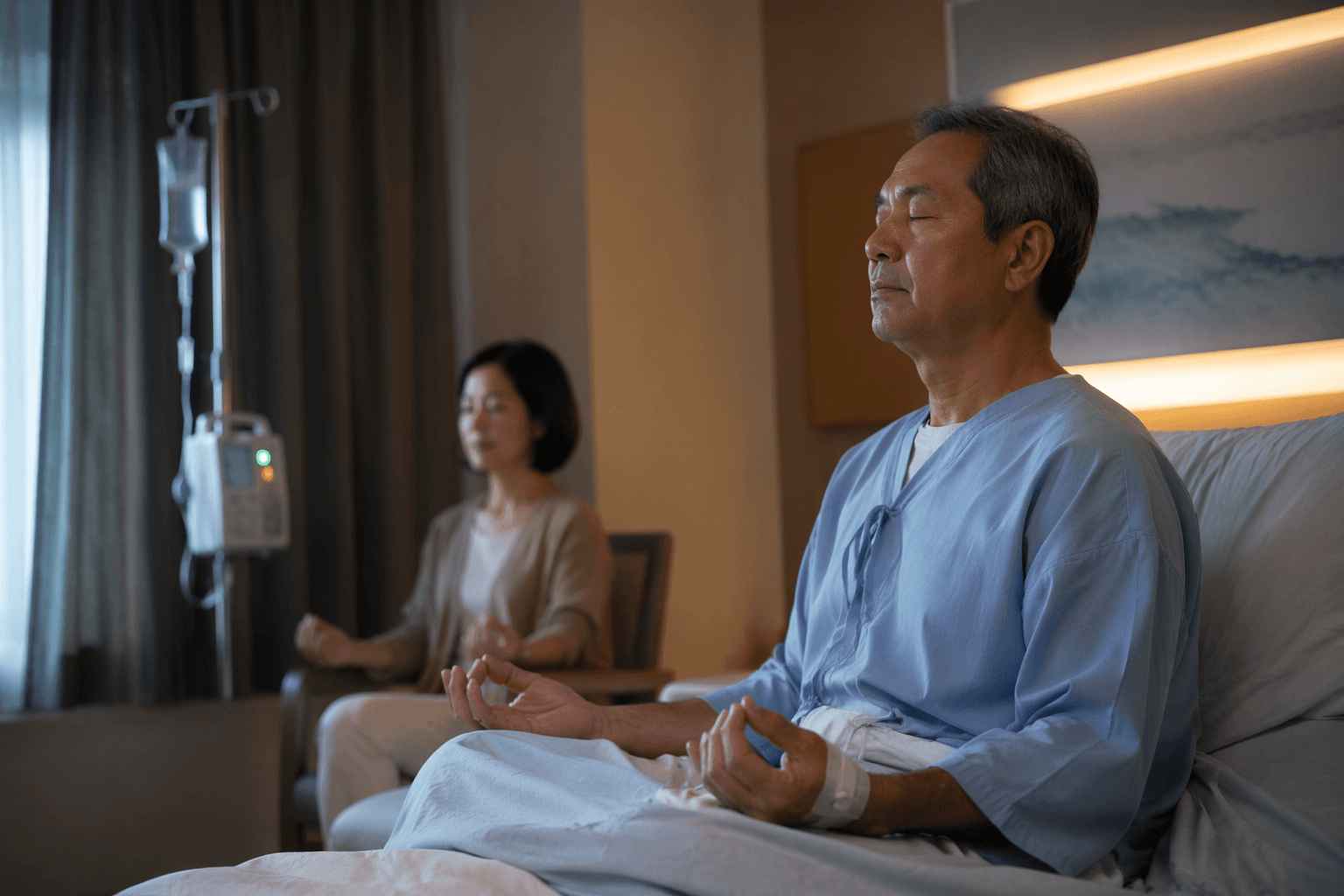
Springer published a randomized trial on June 20, 2026 that tested whether an eight-session online mindfulness program could ease premenstrual symptoms, fear of childbirth and psychological well-being in 126 women with PMS. The study put a structured mindfulness-based stress reduction, or MBSR, protocol at the center of women’s health care rather than using mindfulness as a general stress fix.
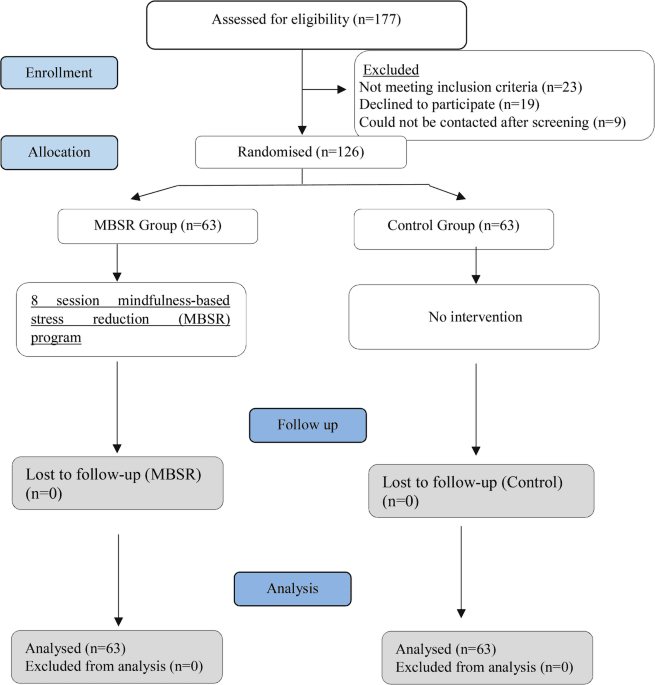
The trial was registered on ClinicalTrials.gov as NCT07360197 and listed as completed, with 126 women enrolled between June 2023 and November 2025. Participants were randomized 1:1 into an MBSR group and a control group, 63 in each arm, and the control group received no active intervention during the study period. The trial record notes the last update was posted on January 26, 2026.
This was not an open-ended meditation exercise. The intervention followed a defined online format delivered twice weekly for 40 minutes per session, across eight sessions, with body scan, breath awareness, emotion-focused mindfulness and cognitive awareness exercises, plus home practice assignments. The researchers measured outcomes with the Premenstrual Syndrome Scale, the Childbirth Fear-Prior to Pregnancy Scale and the Psychological Well-Being Scale, which pushed the paper beyond simple mood tracking and into two distinct reproductive-health concerns.
The background helps explain why the topic has drawn attention. The U.S. Office on Women’s Health says more than 90% of women report some premenstrual symptoms, and NICE notes that among women with clinically significant symptoms, roughly 29% to 53% seek medical help. Fear of childbirth is also a recognized issue: a 2018 systematic review found it was a common problem affecting women’s health and well-being, and studies using the W-DEQ cutoff of 85 reported prevalence ranging from 6.3% to 14.8% across Europe, Australia, Canada and the United States.

The trial materials say the authors saw MBSR as a possible non-pharmacological option for reducing premenstrual symptoms, lowering fear of childbirth and improving psychological well-being, while also warning that the findings should be read carefully because the assessment window was short and there was no long-term follow-up. That keeps the story grounded where mindfulness research is strongest: a specific protocol, a specific population and a specific set of clinical questions.
For readers looking at mindfulness in reproductive health, the practical takeaway is straightforward: the version tested here was a scheduled, skills-based program, not a casual relaxation app or a one-off breathing session.
This article was produced by Prism’s automated news system from verified source data, official records, and press releases, then run through automated quality and moderation checks before publishing. The system is built and supervised by the people who set the standards it runs under. Read our full AI policy.
Did this article answer your question?