Newsweek roundup shows mindfulness apps becoming AI-driven health tools
Mindfulness apps now do more than play calming audio. The real question is whether you want stress relief, CBT-style coaching, or a 24/7 wellness tool that tracks patterns and nudges habits.
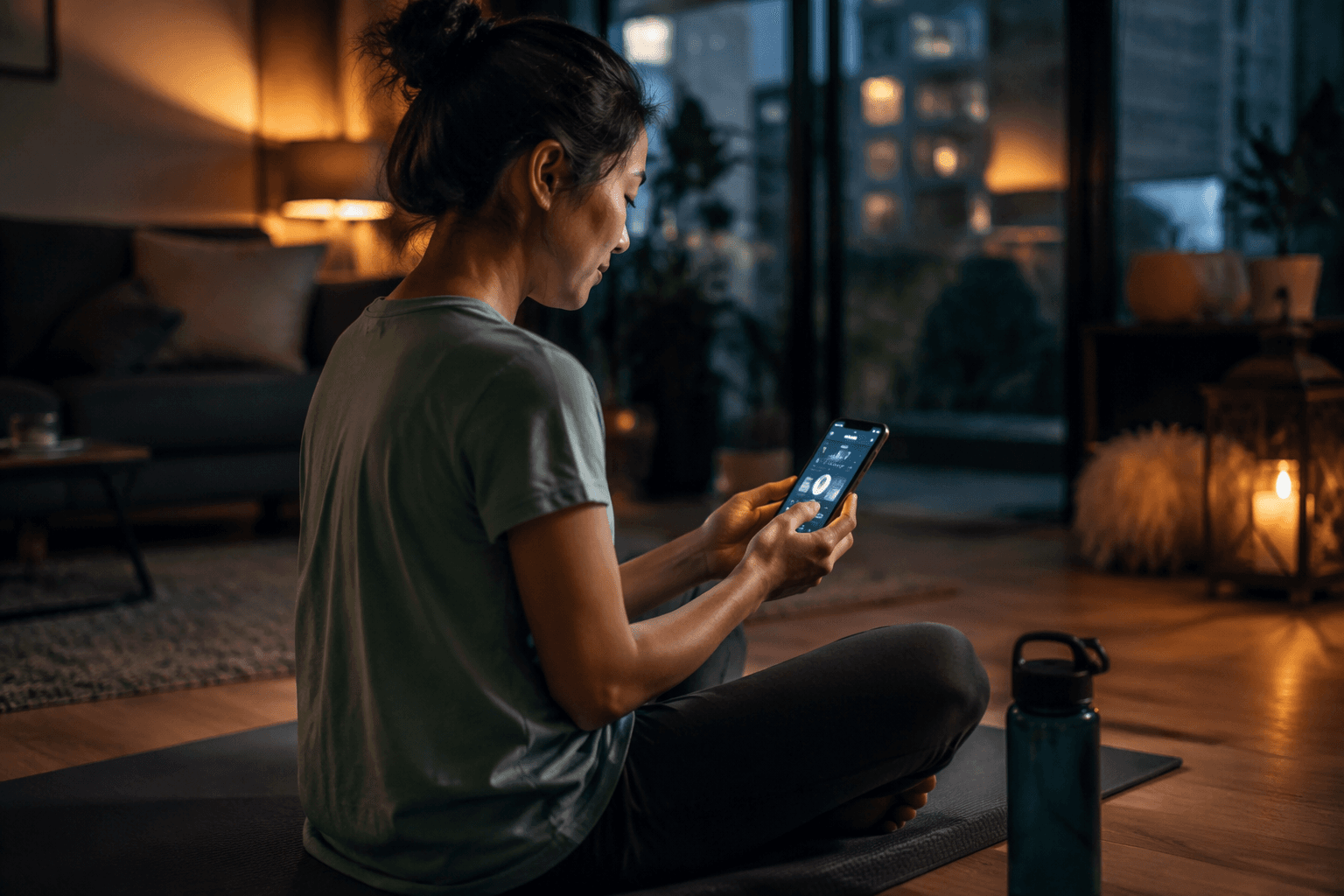
More than 10,000 mental health apps are available in Europe, but only a fraction have clinical support, a Health Europe evidence review found. If you open a mindfulness app looking for a simple breathing timer, you may be underbuying or overbuying the category. Newsweek’s 2026 roundup captures how these products have moved from lifestyle novelty into a data-driven part of public health, with AI companions, biometric syncing, and around-the-clock support built to bridge the gap between therapy sessions.
The best app for you depends less on brand recognition and more on use case. Some platforms are still built around passive guided meditation. Others are edging into continuous-care territory, trying to notice patterns, reinforce habits, and translate clinical ideas like Cognitive Behavioral Therapy into something you can actually use on a Tuesday night when your stress spikes.

Start with the job you want the app to do
The first filter is purpose, not polish. If your goal is stress relief, you probably want short sessions, sleep support, and a low-friction way to get through a rough day. If your goal is concentration training, look for practices that return you to attention, not just relaxation, because those are different skills. And if you want emotional regulation, the more useful apps are now the ones borrowing from CBT.
A 2021 JMIR review examined self-guided CBT apps for depression and looked closely at their features, functionality, and whether they matched evidence-based practice. An August 2024 Cornell Chronicle report found that a self-guided CBT app significantly reduced anxiety in young adults at six weeks, and that improvement persisted at the 12-week follow-up.
Choose the format that matches your learning style
Some people want to be told exactly what to do. Others want a lighter touch. That split matters in mindfulness apps because the interface often determines whether you keep using the thing after the novelty wears off. Passive listening, the classic guided-meditation model, works best if you want a voice to follow and a library to dip into. Interactive coaching makes more sense if you respond better to prompts, progress check-ins, and behavioral reminders.
Another layer is continuous care. These newer platforms use AI companions and biometric syncing to provide proactive support, which means they are not just libraries of audio tracks. They are increasingly trying to act like always-on wellness systems that can fit into daily routines and, in some cases, track patterns over time. If you like structure, that can be a genuine upgrade. If you hate notifications and mood check-ins, it can feel like one more app demanding your attention.
Look for evidence, not just a clean interface
The mindfulness app market is crowded enough that evidence matters more than branding. That should keep you skeptical when an app promises transformation after a three-day trial and a very polished landing page.
The clearest signal is whether the app points to specific research or a clinical framework. JMIR’s 2021 assessment of self-guided CBT apps did not treat all wellness apps as equivalent. It evaluated whether features and functionality actually lined up with evidence. The Cornell young-adult anxiety result gives you a concrete time frame, six weeks and 12 weeks, rather than a vague claim of feeling better someday.
Know where the category is headed
The market numbers explain why these apps are becoming more ambitious. One market estimate projects the global mindfulness meditation application market rising from US$533.2 million in 2022 to US$2,633.4 million by 2028. Grand View Research puts the meditation management apps market at $2.2 billion in 2025 and projects $7.0 billion by 2033, while another market estimate pegs mindfulness meditation apps at USD 1.2 billion in 2024 and USD 3.2 billion by 2033. A separate estimate places the market at USD 1.85 billion in 2026, growing to USD 5.90 billion by 2033.
The category now spans sleep support, stress management, emotional regulation, and habit-building.
The benchmark brands still shape expectations
Even as the category evolves, a few names still define what people expect. Calm and Headspace remain the big historical reference points in mindfulness apps, especially for people who first encountered the space through guided meditation and sleep content. Headspace has also kept pushing outward. In March 2024, the company launched Headspace XR, a platform that incorporates immersive virtual reality experiences.
Gaia also shows how broad the category has become, stretching beyond conventional meditation apps into broader wellness programming. A Newsweek press release named Gaia among the best mindfulness and wellness apps for 2026.
A practical way to pick your app
The easiest way to avoid paying for features you will never use is to work backward from your routine.
- If you need help winding down, prioritize sleep support and short guided sessions.
- If you want concentration training, look for attention exercises and a structure you can repeat daily.
- If you want CBT-style self-help, check whether the app explains its methods clearly and ties them to evidence-based practice.
- If you like feedback and reminders, continuous-care tools with AI companions or biometric syncing may fit better.
- If you dislike constant nudging, a simpler guided library may be the better call.
This article was produced by Prism’s automated news system from verified source data, official records, and press releases, then run through automated quality and moderation checks before publishing. The system is built and supervised by the people who set the standards it runs under. Read our full AI policy.
Did this article answer your question?