Shaolin Zen meditation may help college athletes regulate emotions
A study of 305 college athletes looks at whether Shaolin Zen and mindful acceptance map onto steadier emotions under pressure.

What makes this paper worth watching
College athletes live inside a pressure cooker that rarely lets up. Training load, competition stress, academic demands, and the expectation to perform in public all collide at once, which makes emotional control and recovery more than mental-health buzzwords. This paper enters that space with a useful question: can mindfulness, and specifically mindful acceptance, help athletes regulate emotion in a way that matters for performance?
That is the right frame for this kind of work. Instead of treating meditation as a vague wellness add-on, the study looks at whether a tradition-specific practice, Shaolin Zen meditation, may relate to changes in emotional valence and the kind of acceptance that helps athletes stay usable under strain. For coaches and sports psychologists, that makes the paper relevant not because it promises instant competitive gains, but because it points to a possible tool that could fit into real training and recovery routines.
What the study actually examined
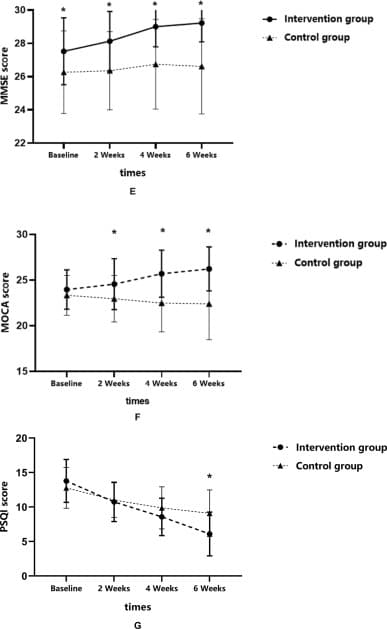
The research was more than a simple survey of opinions about sport psychology. It combined a cross-sectional survey of 305 college student-athletes with a preliminary controlled component, which gives it two layers of interest. The survey side broadens the picture across a real student-athlete population, while the controlled element adds a first look at whether meditation may shift emotional state in a measurable way.
The focus on mindful acceptance matters. Acceptance is not the same as passivity, and in a performance setting that distinction is everything. In practice, acceptance can mean noticing stress, frustration, or fatigue without immediately getting caught in it, which may leave more room for the next decision, the next rep, or the next recovery choice. The study’s attention to valence also matters, because valence captures whether an emotional state feels more positive or negative in the moment, a useful lens when you are trying to understand what happens after a meditation session rather than only how a person describes themselves in general.
Why Shaolin Zen changes the conversation
A lot of mindfulness coverage flattens practice into one generic category, as if every form of meditation works the same way. This paper pushes against that habit by centering Shaolin Zen meditation, a more specific contemplative tradition rather than a catch-all mindfulness label. That specificity is not a side note. It opens the door to asking whether the form of practice itself shapes emotional response, instead of assuming that any meditation exposure produces the same psychological result.
For athletes, that distinction can be practical. Teams often need interventions that are brief, repeatable, and easy to fold into preseason, in-season maintenance, or recovery work after hard sessions. A tradition-specific practice like Shaolin Zen may not be the right fit for every program, but it gives researchers and practitioners a more defined target than “mindfulness” alone. If the emotional response changes in a measurable way, then the style, structure, and feel of the practice may matter just as much as the general idea of paying attention.
The performance-and-recovery lens
The most useful way to read this paper is not as a promise that meditation will make athletes calmer and therefore better at everything. It is better understood as a possible bridge between internal regulation and external performance demands. In high-pressure environments, the athlete who can recover emotionally after a mistake, a bad call, or a rough training block often keeps more of the session intact than the athlete who gets stuck spiraling.

That is why acceptance sits so close to recovery in this study. Recovery is not only about sleep, nutrition, or time off. It also includes how quickly an athlete can settle the nervous system, re-center attention, and return to a workable emotional range after stress. If mindfulness and Shaolin Zen practice are linked to better regulation of valence, they may help athletes reset faster between demands, which is especially valuable in sports where the next play arrives immediately.
What is promising, and what is not yet proven
The paper points toward an intriguing early signal, not a final verdict. Its design suggests the researchers were interested in whether athletes who are more mindful and accepting respond differently to meditation than those who are less so, and that is useful for personalization. Some athletes may need a straightforward attention-training approach, while others may respond better to a contemplative practice with a more defined structure and tradition.
But the leap from emotional regulation to proven performance benefit is still a big one. Emotion regulation is important, and it is plausibly connected to training quality and competition resilience, yet the paper does not justify turning Shaolin Zen into a guaranteed performance enhancer. What it does offer is a credible reason to keep testing whether a practice that changes emotional tone might eventually support better decision-making, steadier recovery, and more durable training consistency.
What coaches and athletes can take from it now
The realistic takeaway is not to overhaul a whole mental-skills program around one meditation style. It is to treat acceptance and emotional regulation as trainable parts of the recovery process, and to watch carefully for which format fits the team environment best. Because the sample came from 305 college student-athletes, the question is immediately relevant to programs that juggle competition, academics, and the constant pressure to stay composed.
A practical way to use that idea this week:
- Keep meditation sessions brief and repeatable, so they can fit before practice or during recovery blocks.
- Track whether athletes feel less emotionally reactive after sessions, not just whether they report feeling “relaxed.”
- Notice whether a more specific practice, like Shaolin Zen, creates a different effect than general breathing or attention training.
- Watch for consistency over time, because one good session is not the same as a usable training tool.
The real value of this paper is that it treats mindfulness as part of the athlete’s performance system, not as a motivational slogan. That matters in a world where emotional control, focus, and recovery all share the same scoreboard. Shaolin Zen may not be the whole answer, but it gives coaches a sharper question to ask the next time a hard session leaves the room tense and the next rep still has to happen.
This article was produced by Prism’s automated news system from verified source data, official records, and press releases, then run through automated quality and moderation checks before publishing. The system is built and supervised by the people who set the standards it runs under. Read our full AI policy.
Did this article answer your question?