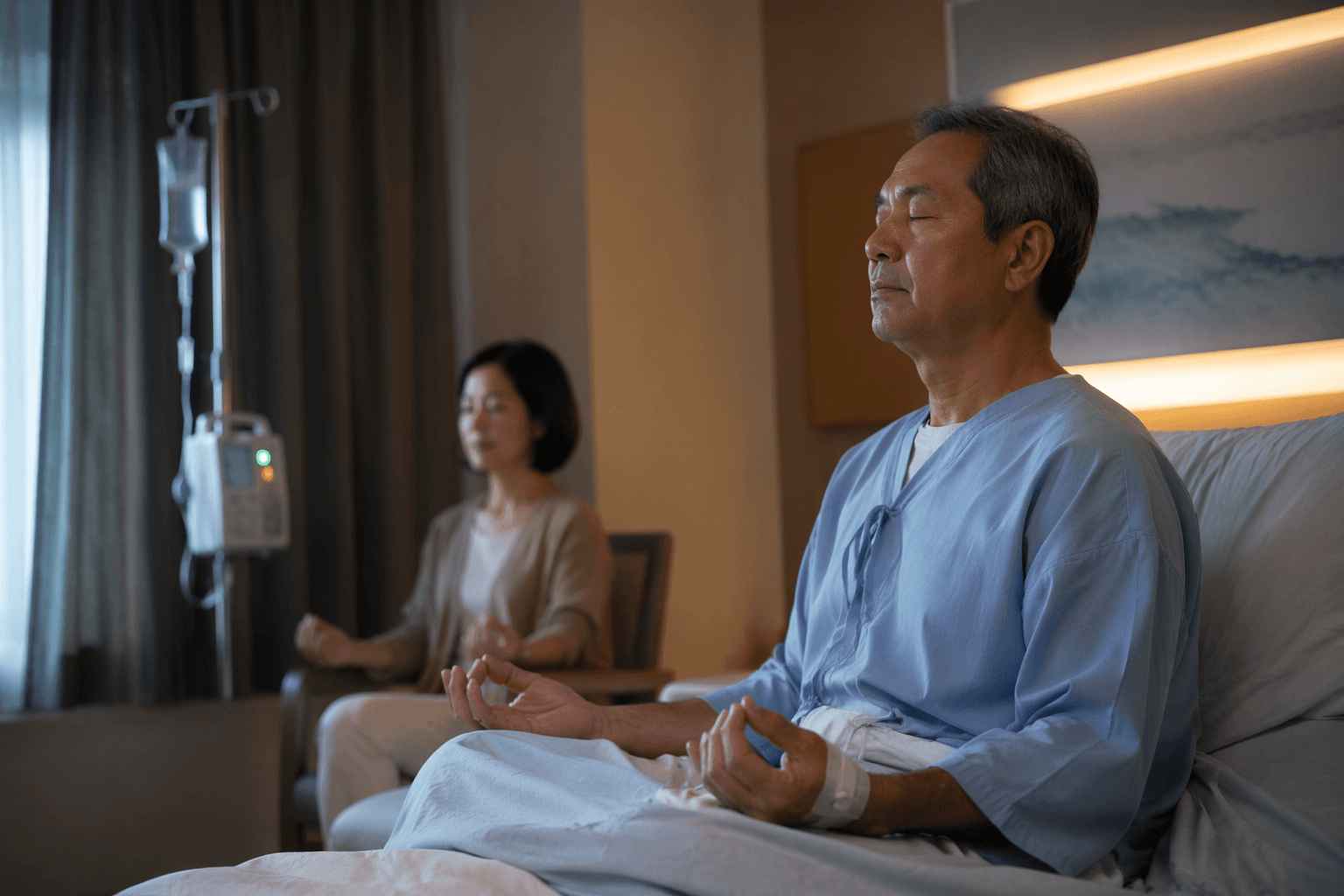
Texas prison meditation program inspires Doreena Durbin's new book
Doreena Durbin's Texas prison meditation program turns mindfulness into a tool for accountability, not wellness aesthetics, and her new book grows out of that work.
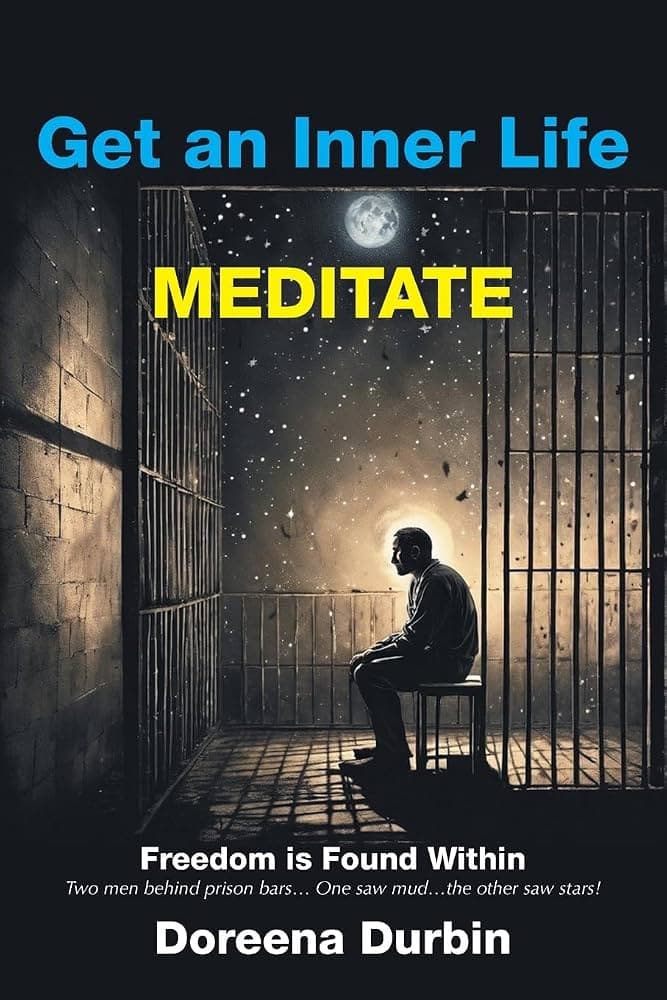
Doreena Durbin’s new book comes out of a place where mindfulness is stripped of luxury and put under pressure: a Texas prison chapel library, with men sitting in silence for two hours at a time. That is the real hook here. Instead of cushions, apps, and retreat marketing, the story is about meditation inside a correctional setting, where attention, anger, trauma, and agency all have to be worked with at once.
Meditation behind bars looks very different
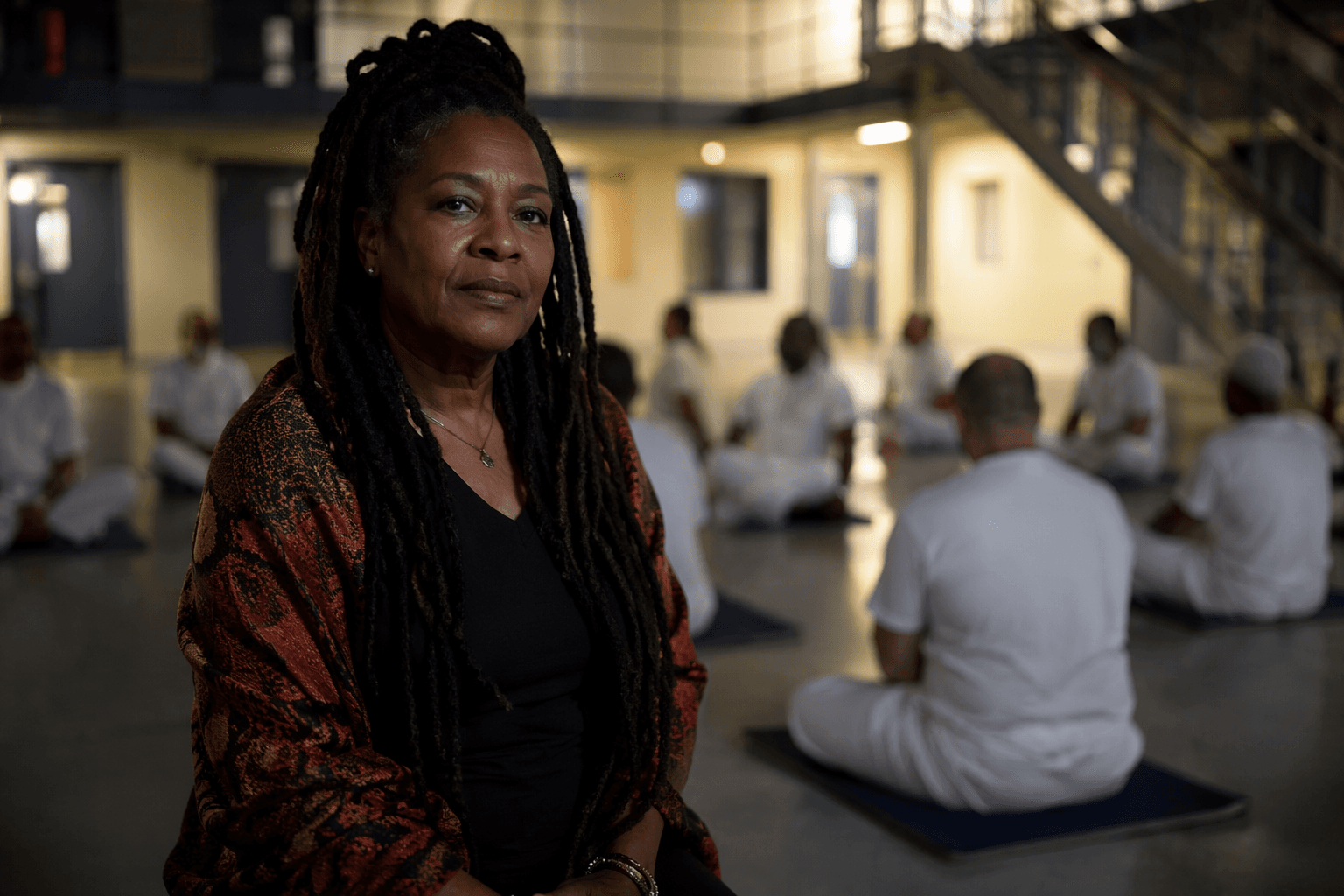
Durbin’s book, *Get an Inner Life MEDITATE: Freedom is Found Within*, is built from the prison meditation work she led in Texas. The release describes the book as a blend of personal stories, spiritual reflection, meditation practices, and insights from a Prison Meditation Program for incarcerated men. The most vivid image is also the most revealing: inmates spending two quiet hours together in the chapel library, practicing meditation and silence.
That detail matters because it cuts through the polished, privileged image many people still carry around mindfulness. In this setting, meditation is not a productivity hack or a self-care accessory. It is a disciplined practice of stillness in a place shaped by constraint, routine, and constant supervision. The program’s scale is small enough to feel intimate, but concrete enough to show what mindfulness looks like when it is practiced in real institutional conditions.
What Durbin says the practice was doing
The central message of Durbin’s work is that people are more than the worst mistakes they have made. According to the release, she believes the meditation helped participants reconnect with dignity, compassion, inner calm, and a willingness to make amends. That framing places the practice squarely in the language of rehabilitation rather than self-optimization.
For mindfulness readers, that shift is the key takeaway. In prison, meditation is not only about lowering stress in the moment. It is being used as part of a longer process of accountability, healing, and identity change. The program suggests that contemplative practice can support the emotional groundwork needed for repair, especially when a person’s life has been organized around defensiveness, survival, or harm.
Why Texas is part of the story
The Texas setting is not just backdrop. The Texas Department of Criminal Justice says its chaplaincy mission is to positively impact public safety and reduce recidivism through moral rehabilitation, pastoral care, and quality programming. That language places faith-based and reflective practices, including meditation, inside a broader correctional framework that already connects inner change with public safety outcomes.
Texas rules also allow volunteer programs and access to religious leaders in correctional settings, as long as security restrictions are observed. That matters because prison meditation programs do not appear by accident. They depend on institutional permissions, chaplaincy access, and the ability to fit contemplative practice into a tightly controlled environment. Durbin’s work in Texas shows how mindfulness can survive in that structure, but only by adapting to the rules of the institution.
Where the program began
A separate 2025 release says Durbin initiated the prison meditation program in 2019 at a men’s prison near Dallas, Texas. That gives the project a longer timeline than the book announcement alone suggests. It is not a one-off visit or a symbolic gesture. It is a program with enough continuity to generate stories, observations, and practices that could later be turned into a book.
That kind of duration is important in correctional mindfulness work. One-off introductions to meditation may be interesting, but repeated practice is what gives the method a chance to matter. The Dallas-area setting also reinforces how local this story is, even as the questions it raises are universal: what happens when a person in confinement is given a structured way to sit with thought, silence, and responsibility?
What the research backdrop says
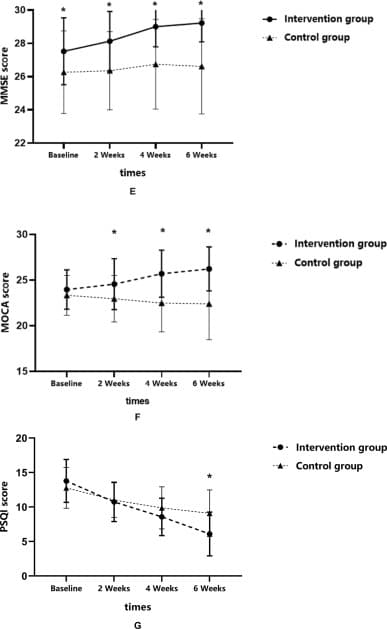
Durbin’s experience lands in a larger body of prison-mindfulness research that has been building for years. The Prison Mindfulness Institute cites studies in five Dutch prisons, along with a 2013 randomized trial involving incarcerated youth. Academic reviews have also argued that mindfulness may work best as a complementary tool in correctional rehabilitation, not a substitute for the other supports people in prison need.
That argument fits the reality of prison populations, which face high mental-health, substance-use, and recidivism needs. A later meta-analytic review, covering 17 prison mindfulness studies over roughly 50 years, reported favorable trends for substance-use and recidivism outcomes. That does not turn meditation into a cure-all. It does, however, give the prison setting a serious claim to attention: mindfulness may be one practical piece of a broader rehabilitation strategy, especially where emotional regulation and impulse control are under constant strain.
What stands out for the mindfulness community
For mainstream mindfulness culture, the prison context is a reality check. In a setting like this, there is no room for vague language about flow, clarity, or self-discovery detached from consequences. Meditation has to operate where people are carrying trauma, shame, impatience, grief, and the daily pressure of confinement. That makes the work harder, but also more revealing.
The bigger lesson is that mindfulness is not only for comfort. In Durbin’s Texas program, it becomes a way to support self-regulation, moral reflection, and the slow work of changing how a person sees themselves. That is why this story lands differently from the usual wellness narrative. It shows mindfulness at its most demanding, and maybe its most serious.
The clearest takeaway is simple: if meditation can hold meaning in a Texas prison chapel library for two quiet hours at a time, then the practice’s deepest value may be measured not by how relaxing it feels, but by how much honesty, discipline, and repair it can make possible.
This article was produced by Prism’s automated news system from verified source data, official records, and press releases, then run through automated quality and moderation checks before publishing. The system is built and supervised by the people who set the standards it runs under. Read our full AI policy.
Did this article answer your question?