University of Delaware webinar examines yoga, mindfulness in addiction treatment
A free University of Delaware webinar showed how yoga and mindfulness are moving from wellness language into addiction care, with research on relapse, craving, and resilience.
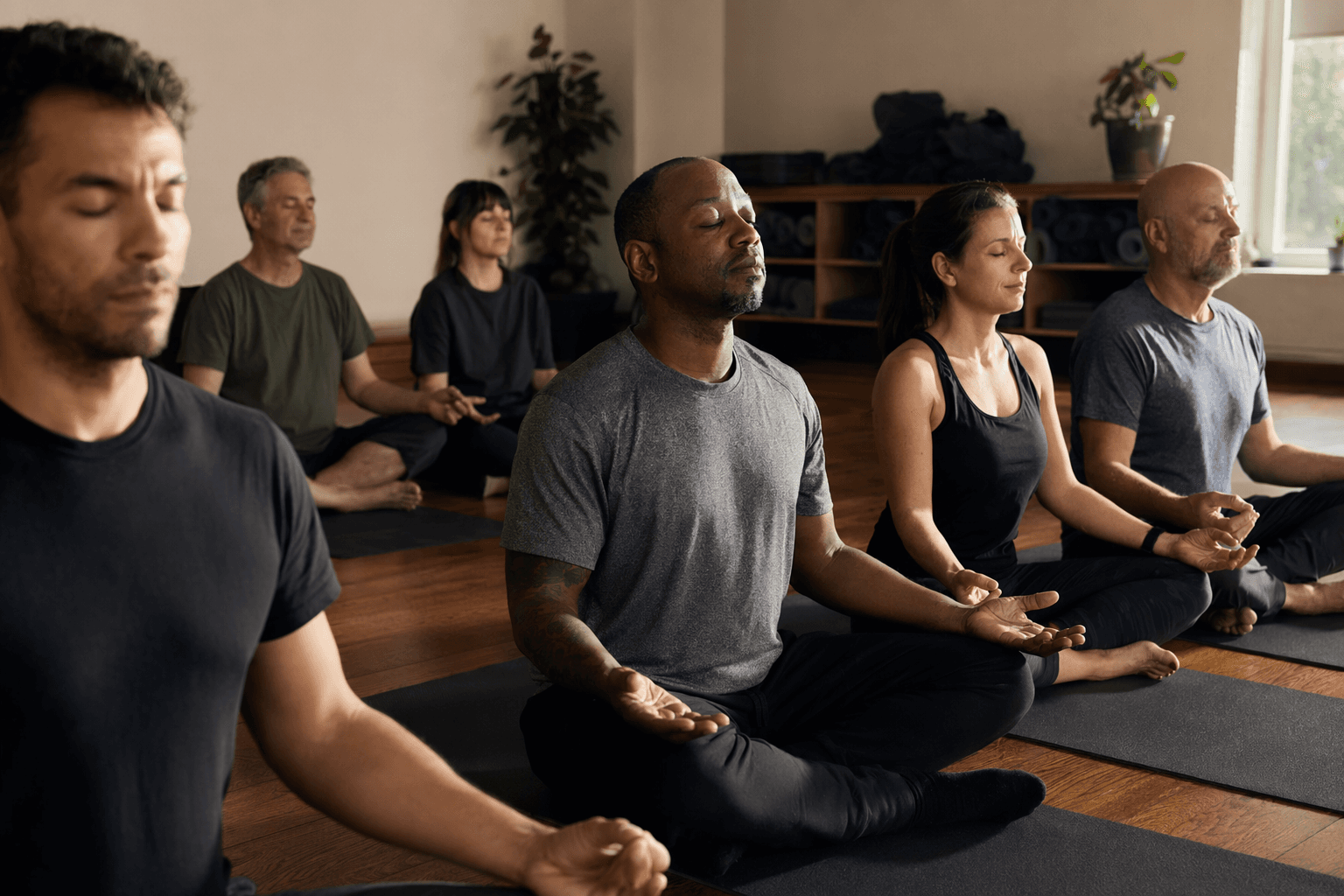
A free, virtual University of Delaware webinar put yoga and mindfulness under a clinical lens, asking a practical question with real stakes in recovery: which techniques are actually usable in substance-use prevention and treatment?
The April 30 session, titled From Evidence to Practice: Yoga and Mindfulness in Substance Use Prevention and Treatment, was built around real-world applications, emerging trends, and practical insights for professionals. Participants were told they would learn how yoga and mindfulness are applied in prevention and treatment settings, what benefits are tied to stress reduction and resilience, and where research gaps still remain. That focus made the event feel less like a broad meditation talk and more like a briefing for people who work with substance use every day.
The University of Delaware framed the webinar inside its Cooperative Extension and land-grant mission, which emphasizes bringing knowledge to people across Delaware and supporting health education in the community. UD Cooperative Extension says its health and well-being work is designed to help people manage their own health while also working with community partners on policies, systems, and environments that support optimal health. In this case, that translated into an applied look at mindfulness as a tool for prevention, treatment, and recovery support.
That distinction matters because the public health backdrop is serious. SAMHSA says prevention activities educate and support individuals and communities to prevent drug misuse and the development of substance use disorders. NIDA describes substance use disorders as complex, treatable chronic medical conditions from which people can recover. CDC guidance also treats overdose prevention and the reduction of substance use-related harms as a major priority. Against that backdrop, mindfulness is no longer being discussed only as a personal habit. It is being evaluated as part of the care toolbox.
The research base has been growing in step with that shift. A March 2024 NCCIH clinical digest included mind-and-body approaches such as mindfulness meditation and yoga in its discussion of current science on substance use disorders. A PubMed-indexed 2024 review examined yoga-derived breathwork and meditation, including Sudarshan Kriya yoga, as adjuncts in treatment. A systematic review of yoga for substance use looked at randomized controlled trials involving Hatha yoga, Sudarshan Kriya yoga, breathing yoga exercises, and meditation.

One trial drew from a reentry population living with HIV and substance use problems, testing a 12-session Hatha yoga program with 90-minute weekly classes against treatment as usual. That kind of design points to the core issue readers care about most: not whether mindfulness sounds helpful, but whether it can be delivered in settings where stress, relapse risk, and instability are part of daily care.
University of Delaware’s own student wellbeing materials already connect mindfulness, somatic movement, and substance use or co-occurring disorders, reinforcing the same message from another angle. The institution is treating mindfulness less as an abstract ideal and more as a practical, evidence-informed support for recovery work.
This article was produced by Prism’s automated news system from verified source data, official records, and press releases, then run through automated quality and moderation checks before publishing. The system is built and supervised by the people who set the standards it runs under. Read our full AI policy.
Did this article answer your question?