Short Mindful Breathing Increased Stereotype Bias in Decision Tasks
A pair of blinded trials found brief mindful breathing did not blunt stereotype bias in decision tasks, and may have made conflict worse on incongruent trials.

Short mindful breathing did not deliver the clean bias-reduction result many meditators might expect. In two randomized, double-blinded trials from Elena Vieth and Lisa von Stockhausen at the University of Duisburg-Essen in Essen, Germany, brief breathing practice failed to reduce stereotype-biased decisions and instead appeared to intensify the effect in the most conflicted trials.
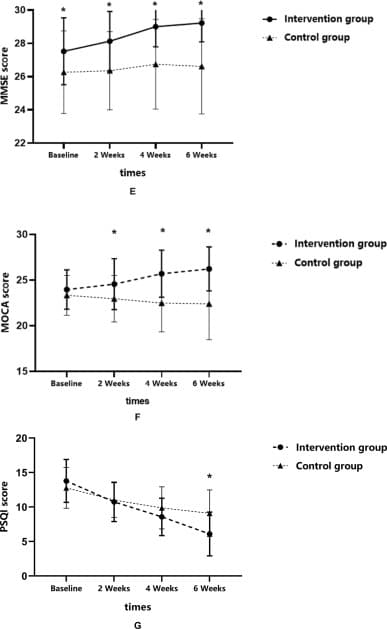
The paper, published April 30, 2026 in PLOS One as 21(4): e0347871, tested mindful breathing against progressive muscle relaxation and a podcast-listening control. Experiment 1 used 45 minutes of total mindful breathing training and measured stereotype expression with the Shooter Task. Experiment 2 extended the dose to 80 minutes and used the Avoidance Task. In both experiments, drift diffusion modeling pointed in the same direction: breathing meditation increased the effect of stereotype bias on decision-making by heightening response conflict on stereotype-incongruent trials. Relaxation, by contrast, reduced biased decision-making in those same incongruent trials.
That is the kind of result that should slow down anyone making sweeping claims about a few minutes of breathing practice as a universal social reset button. The authors’ conclusion was direct: short trainings in mindful breathing meditation were not beneficial for reducing stereotype bias in this setting. They also argued that mechanisms outside cognitive control may be shaping response behavior after both meditation and relaxation, which matters because mindfulness is often sold as if it automatically improves judgment across the board.
The study’s publication details add to its credibility in a field where easy answers travel fast. It was received on February 19, 2024, accepted on April 1, 2026, and released with no specific funding and no competing interests. The data and code were made publicly available on the Open Science Framework, a useful marker for readers trying to separate careful work from loose claims.
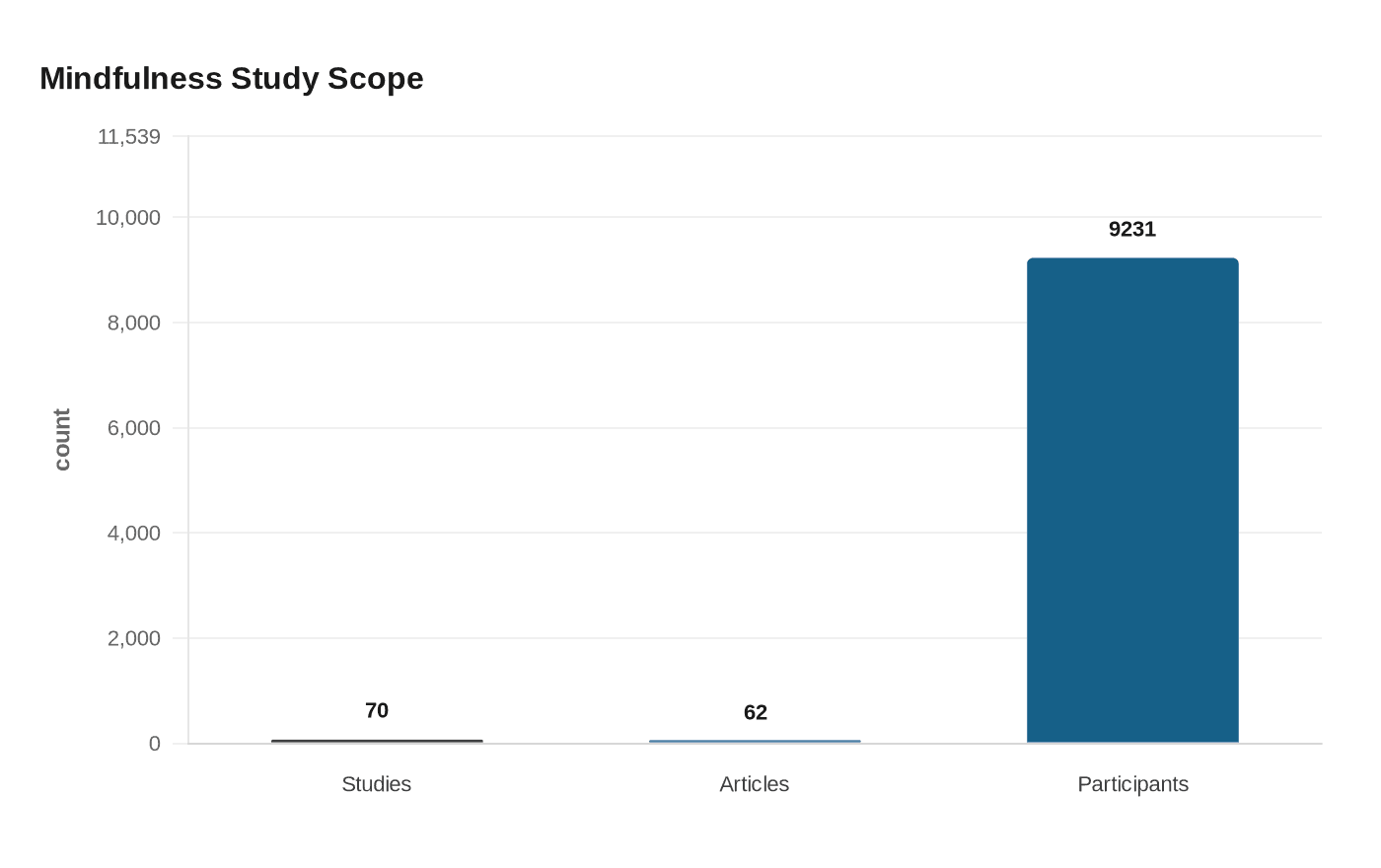
The broader literature is not wiped out by this one paper, but it does get more specific. An American Psychological Association summary of Ingold and Lueke’s 2023 work described a brief mindfulness intervention that reduced endorsement of negative Black stereotypes in some conditions. Doris F. Chang, writing for the Society for Personality and Social Psychology in 2024, pointed to a meta-analysis spanning 70 studies from 62 articles and 9,231 participants. She also noted that 70% of White adults said all or most of their close friends were White, a reminder that bias lives inside real social networks, not just lab tasks.
The practical takeaway is simple: mindfulness has evidence, but short breathing alone is not a guarantee against stereotype bias. In this case, the promise outran the effect.
This article was produced by Prism’s automated news system from verified source data, official records, and press releases, then run through automated quality and moderation checks before publishing. The system is built and supervised by the people who set the standards it runs under. Read our full AI policy.
Did this article answer your question?