University of Toronto Mississauga tests game-like meditation app for beginners
UTM's game-like meditation app targets the hardest beginner problem: staying with the breath long enough to make practice stick.
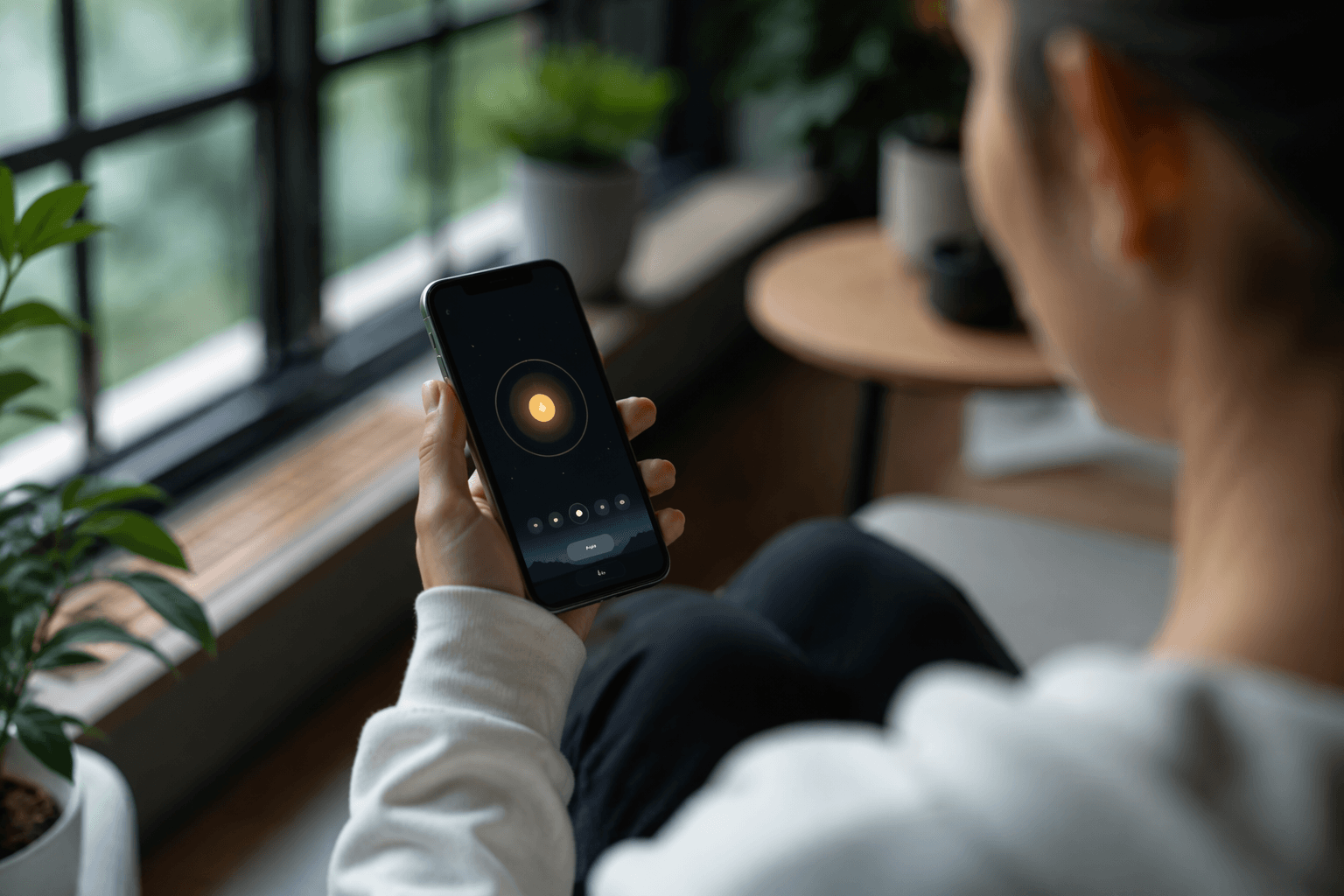
University of Toronto Mississauga is putting a game-like meditation app in front of the beginner problem that drives so many people out of practice: they cannot stay with the breath long enough to build a habit. The project centers on Norman Farb, a UTM professor whose work spans social and affective neuroscience, mindfulness, emotions, interoception, self-reference and regulation.
What sets the app apart from a standard guided session is the learning loop. Instead of another calm voice and a timer, the design is built to make meditation more interactive, more playful and less like a pass-fail wellness chore. The point is to help users notice when attention drifts, bring it back to the breath, and get some kind of feedback or progression for doing that work, the basic skill that sits underneath most mindfulness practice.
That matters in a crowded meditation-app market where many products still lean on the same library of guided tracks and ambient audio. A game-like structure can do more than decorate practice with novelty if it actually changes motivation design, giving beginners small rewards and a sense of forward motion when they return to the breath. The real question is whether that makes people meditate better, or only makes the first few sessions feel more engaging.
UTM has explored this lane before. A 2018 campus feature, Putting your heart and brain into meditating, highlighted Wildflowers Mindfulness, an earlier interactive app that used selfie and photo-based interaction to help people meditate. The new project fits that pattern of trying to adapt technology to the way attention works, rather than asking beginners to sit still and tolerate repetition until it finally clicks.
Farb’s research background gives the project more weight than a one-off wellness experiment. UTM’s psychology page lists him as a professor, and the Farb Lab says he received his B.A. from the University of Waterloo, his Ph.D. from the University of Toronto and postdoctoral training at the Rotman Research Institute. The lab says its work examines the cognitive neuroscience of human identity and emotion, including how mindfulness meditation can foster resilience against stress and reduce vulnerability to depression.
There is also direct app research on his record. A Jan. 8, 2019 paper in JMIR Mental Health, Effects of a Mindfulness Meditation App on Subjective Well-Being: Active Randomized Controlled Trial and Experience Sampling Study, listed Norman AS Farb as a co-author. That makes the current UTM project less about gimmickry than about one hard beginner question: can a better feedback loop keep someone coming back to the breath after the novelty wears off?
This article was produced by Prism’s automated news system from verified source data, official records, and press releases, then run through automated quality and moderation checks before publishing. The system is built and supervised by the people who set the standards it runs under. Read our full AI policy.
Did this article answer your question?