VA study finds telehealth mindfulness program eases veterans' chronic pain
A VA telehealth mindfulness program moved chronic pain care into veterans’ homes and improved function, with the self-paced model now headed into routine practice.
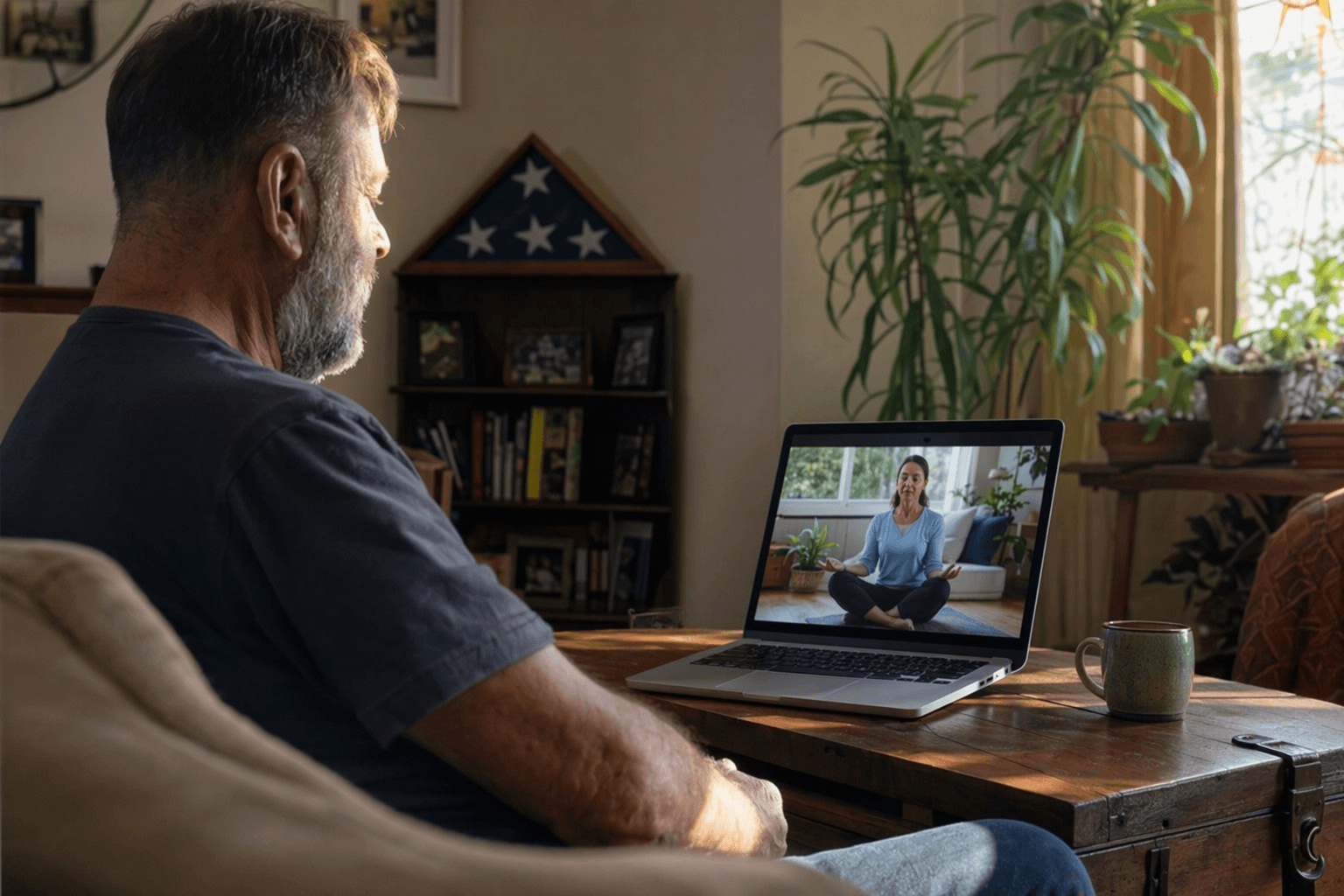
For veterans living with chronic pain, the obstacle was often access, not interest. The Learning to Apply Mindfulness to Pain program, known as LAMP, brought mindfulness out of the group room and into telehealth, giving veterans either an 8-week videoconference course or a self-paced version supported by facilitator calls. The result: better pain-related function and better biopsychosocial outcomes than usual care.
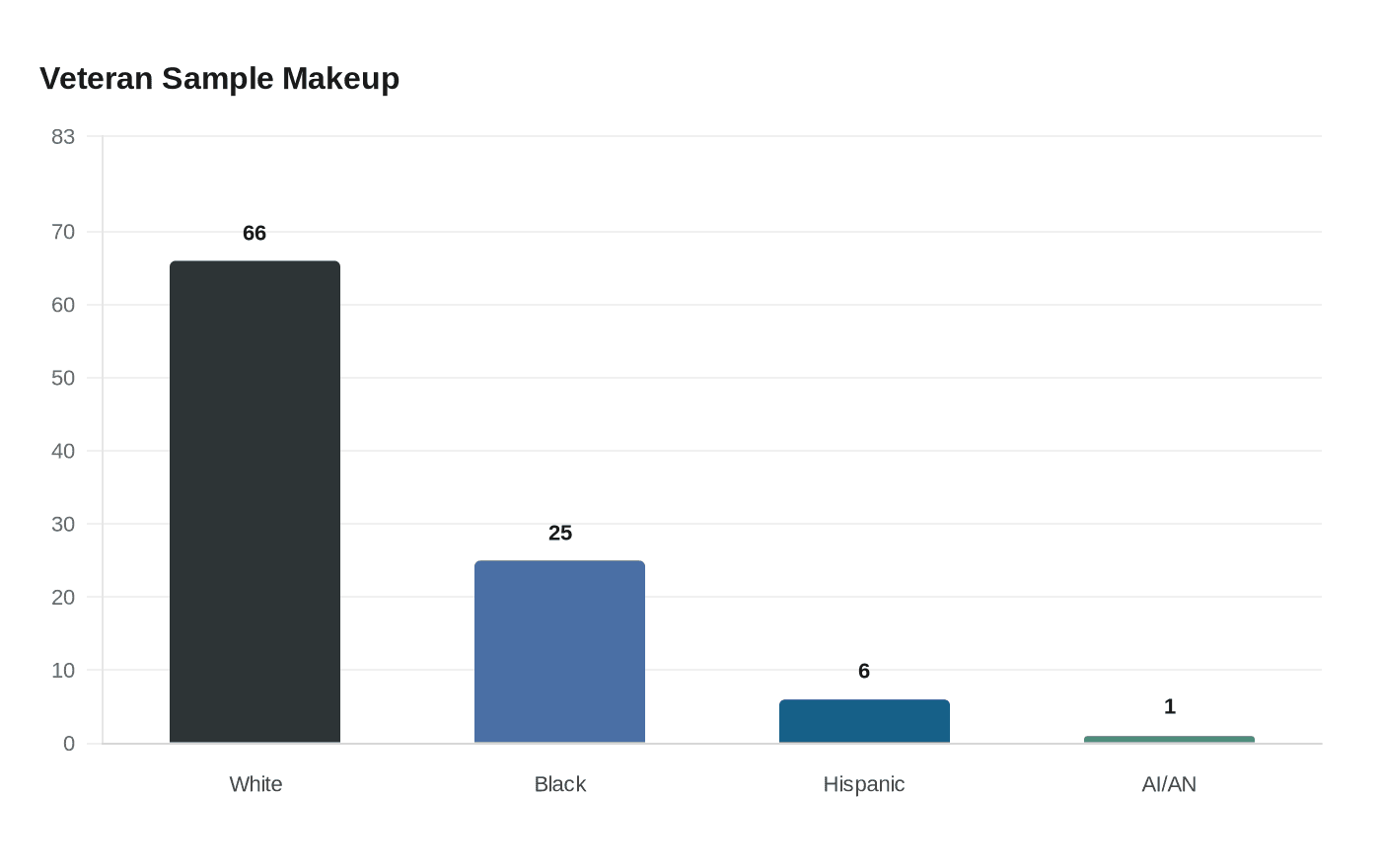
The trial enrolled 811 veterans with moderate to severe chronic pain from three VA medical centers between November 2020 and May 2022, with follow-up completed in August 2023. Among those randomized, the mean age was 54.6 years, 47.7% were women, and the sample was 66% White, 25% Black or African American, 6% Hispanic, and 1% American Indian or Alaska Native. The study team, including Diana J. Burgess, Collin Calvert, Emily M. Hagel Campbell, Marianne S. Matthias, Laura A. Meis, Melissa A. Polusny, Roni Evans, Kelli D. Allen and Brent C. Taylor, tested two scalable formats against usual care in a real-world design.
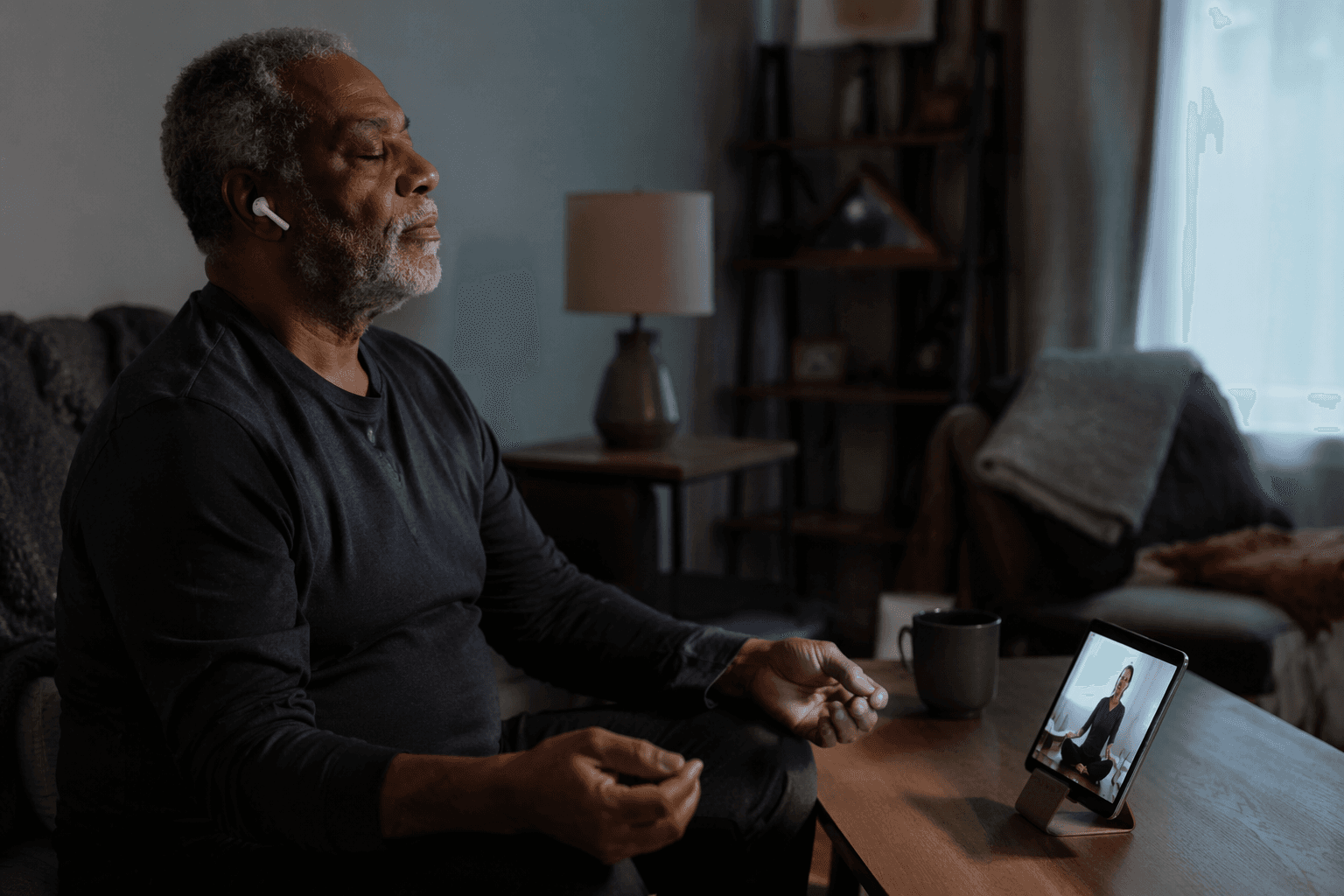
The primary measure was pain-related function on the Brief Pain Inventory interference scale, tracked at 10 weeks, 6 months and 1 year. Secondary outcomes reached beyond pain scores to physical function, anxiety, fatigue, sleep disturbance, social roles and activities, depression, posttraumatic stress disorder, and patient global impression of change. Across the full follow-up period, both telehealth mindfulness interventions improved pain-related function and biopsychosocial outcomes compared with usual care. Neither format clearly beat the other overall, though the odds of at least 30% improvement from baseline were higher for the group version at 10 weeks and 6 months, and for the self-paced version at all three time points.
That delivery question is the point. The VA has long said chronic pain is under-treated because evidence-based nonpharmacologic care runs into barriers at the patient, clinician, and system levels, especially when treatment depends on repeated in-person attendance. Mindfulness-based interventions are recommended as a first-line option for chronic pain and can also help with PTSD, sleep disorders, depression and substance misuse, a combination that makes the approach especially relevant for many veterans. In this case, telehealth lowered the friction.
The VA said the findings helped investigators win leadership support to implement the self-paced LAMP program in usual clinical practice. Backed as part of the NIH-DoD-VA Pain Management Collaboratory, the project was built to answer a bigger question than whether mindfulness can help in theory: how to deliver it reliably, at scale, inside a health system that needs options veterans can actually use.
This article was produced by Prism’s automated news system from verified source data, official records, and press releases, then run through automated quality and moderation checks before publishing. The system is built and supervised by the people who set the standards it runs under. Read our full AI policy.
Did this article answer your question?