Washington sangha begins summer reading of Thich Nhat Hanh book
A Washington sangha turns Monday night practice into a lesson in belonging, pairing cushion setup and sitting meditation with Thich Nhat Hanh’s search for a true home.
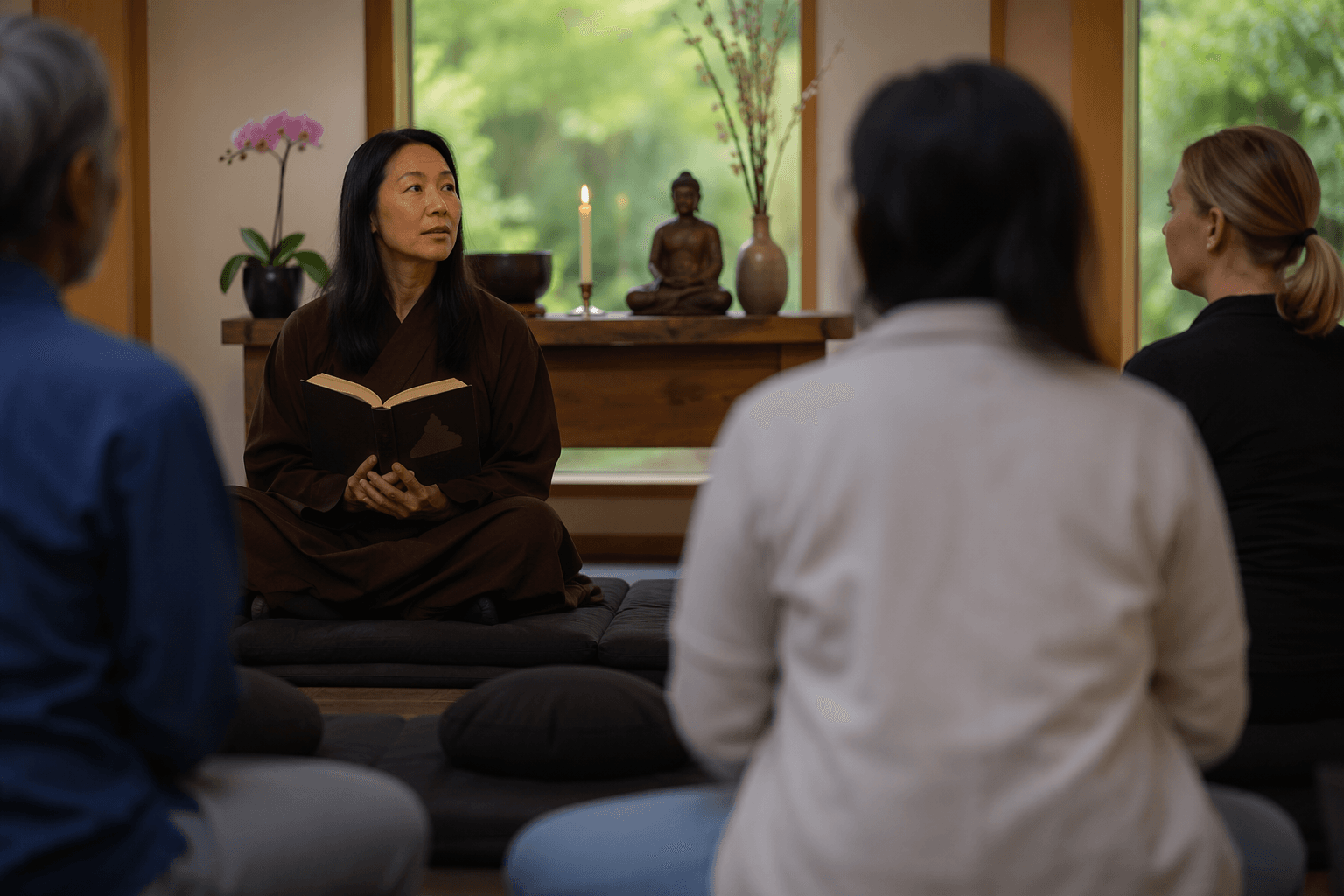
Mindfulness at Opening Heart begins with a practical detail: someone has to set out the cushions. That small act, offered 15 minutes before the Monday gathering, turns the sangha into something sturdier than a class or a livestream, a room where practice is shared, physical, and already communal before anyone sits down.
A Monday room built for arrival
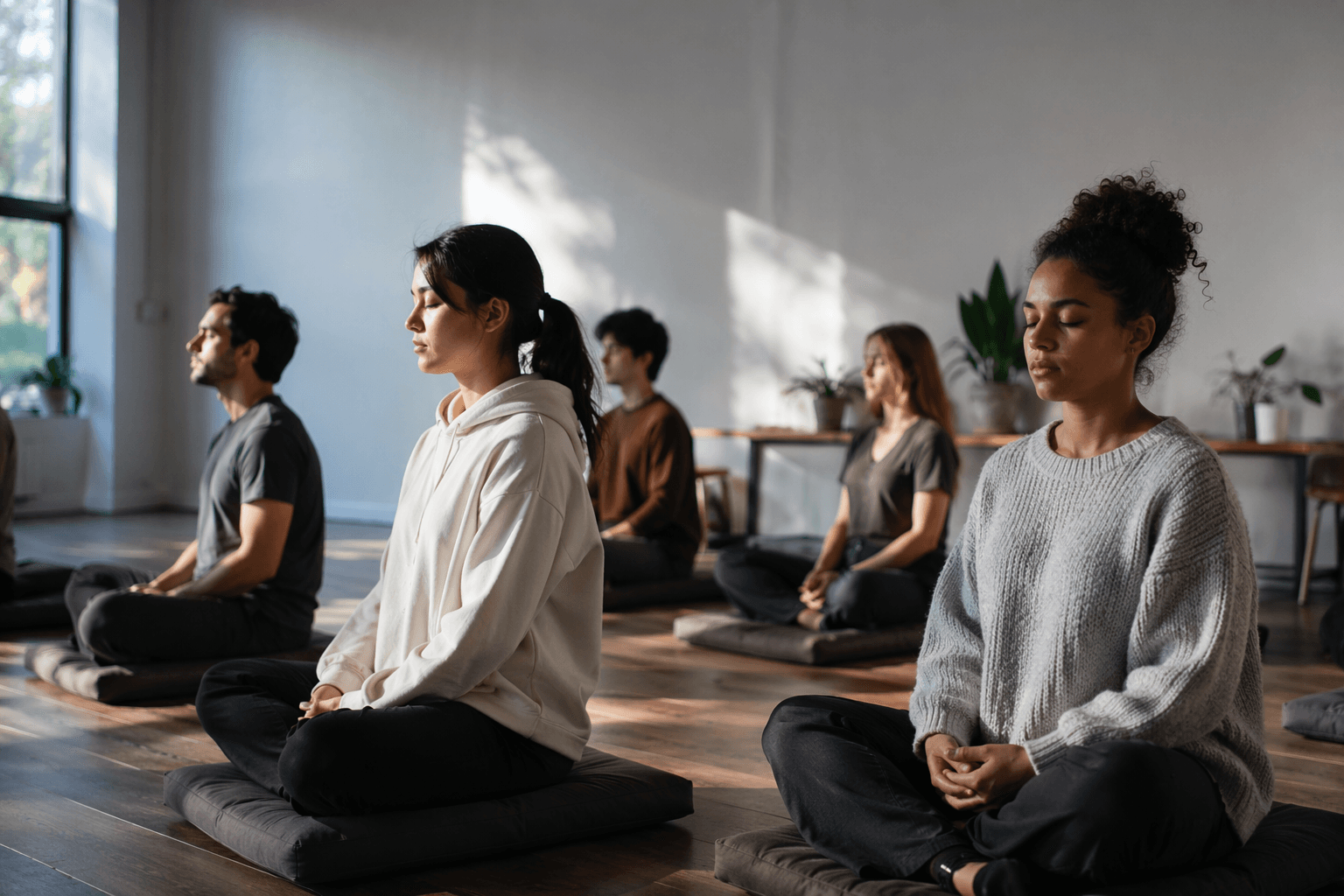
Opening Heart Mindfulness Community lays out this week’s main gathering for Monday, June 29, from 7:00 to 8:30 p.m. ET at its meditation space at 3812 Northampton Street NW in Washington, D.C. Camille will guide the meditation, and participants are invited to come early for working meditation by helping set up cushions. The meeting is donation-based and requires no registration, which keeps the threshold low for anyone stepping into the space for the first time.
The shape of the evening is specific enough to feel lived in. Monday sittings usually include 20 minutes of sitting, 10 minutes of walking meditation, and another 15 minutes of sitting, followed by discussion and sharing. The community also describes the Monday format as a shared sitting with guided deep relaxation, mindful movements, a short dharma talk, and dharma sharing. That sequence matters because it shows how the group treats attention as something practiced in stages, not summoned all at once.
The weekly rhythm extends beyond the Monday room. Opening Heart’s broader practice schedule includes Wednesday morning sessions, Thursday morning sessions, and a Friday noon gathering, giving the sangha a steady cadence across the week. For this week, the Wednesday meeting is July 1 from 7:00 to 8:00 a.m. ET online, the Thursday meeting is July 2 from 7:00 to 8:00 a.m. ET online, and Friday’s gathering is July 3 from 12:00 to 1:00 p.m. ET in a hybrid format.
Why the summer reading is the center of the week
The thread tying those meetings together is a summer reading of Thich Nhat Hanh’s *At Home in the World*. Opening Heart says the book will be discussed through the summer, and the themes named for that reading are compassion, love, endurance, and resilience. That framing gives the sangha a shared language to carry from one session to the next, so the week is not just a series of meetings but a continuing conversation.
The title itself carries the emotional center of the practice. The post opens the book’s story in the context of exile from Vietnam, describing a life shaped by the feeling that he had not truly arrived anywhere. From there comes the book’s core insight: the discovery that true home is the present moment, and that once he could live more fully in the here and now, the past and future no longer functioned as prisons.
That idea gives the community’s Monday practice more than atmosphere. It turns sitting, walking, and sharing into a rehearsal for belonging that does not depend on geography or mood. In this reading, home is not a destination you finally reach; it is a way of meeting the life already in front of you, with enough steadiness to stay.
What a newcomer actually experiences
For someone new to the sangha, the welcome is practical before it is philosophical. The email-style newsletter sends the weekly topic in advance for Monday night meditation, so the group comes in with a shared theme already in hand. A newcomer arriving early can help set up cushions, join the sitting, follow the walking meditation, and then listen into the discussion that comes afterward.
That order lowers the pressure to perform mindfulness correctly. Instead of asking a newcomer to arrive already serene, the sangha builds practice out of ordinary participation: carrying cushions, sitting still, walking slowly, listening, and speaking when invited. Because the community is donation-based and open without registration, the room stays accessible to people who want a foothold rather than a polished identity as a meditator.
The result is a model of community mindfulness that feels durable enough for city life. Monday evening becomes one anchor, Wednesday and Thursday mornings another, and Friday noon a final touchpoint that carries the practice into the weekend. Stability comes not from intensity, but from repetition with other people.
The book behind the practice
*At Home in the World* is published by Parallax Press as a collection of autobiographical and teaching stories from Thich Nhat Hanh’s life. The book moves through years of exile and activism, while keeping its central claim intact: his true home remains in the here and now. Parallax Press describes it as spanning childhood in rural Vietnam, years as a young teacher and writer in war-torn Vietnam, later worldwide teaching, pilgrimages to sacred sites, and meetings with world leaders.
Plum Village frames the book in the same broad arc, emphasizing stories from childhood, the traditions of rural Vietnam, and later travels around the world teaching mindfulness. Taken together, those descriptions make the summer reading feel less like an accessory to the sangha and more like its underlying curriculum. The community is not just reading a respected book; it is taking up a story about how a life can be rooted in practice even after exile, movement, and change.
That is the quiet force of the Monday gathering on Northampton Street NW. The room begins with cushions, the week opens with a sitting, and the reading asks the same question the practice does: where is home when you are not anywhere else yet? In this sangha, the answer is built one Monday at a time, by arriving early, settling in, and letting the present moment become the place you stand.
This article was produced by Prism’s automated news system from verified source data, official records, and press releases, then run through automated quality and moderation checks before publishing. The system is built and supervised by the people who set the standards it runs under. Read our full AI policy.
Did this article answer your question?