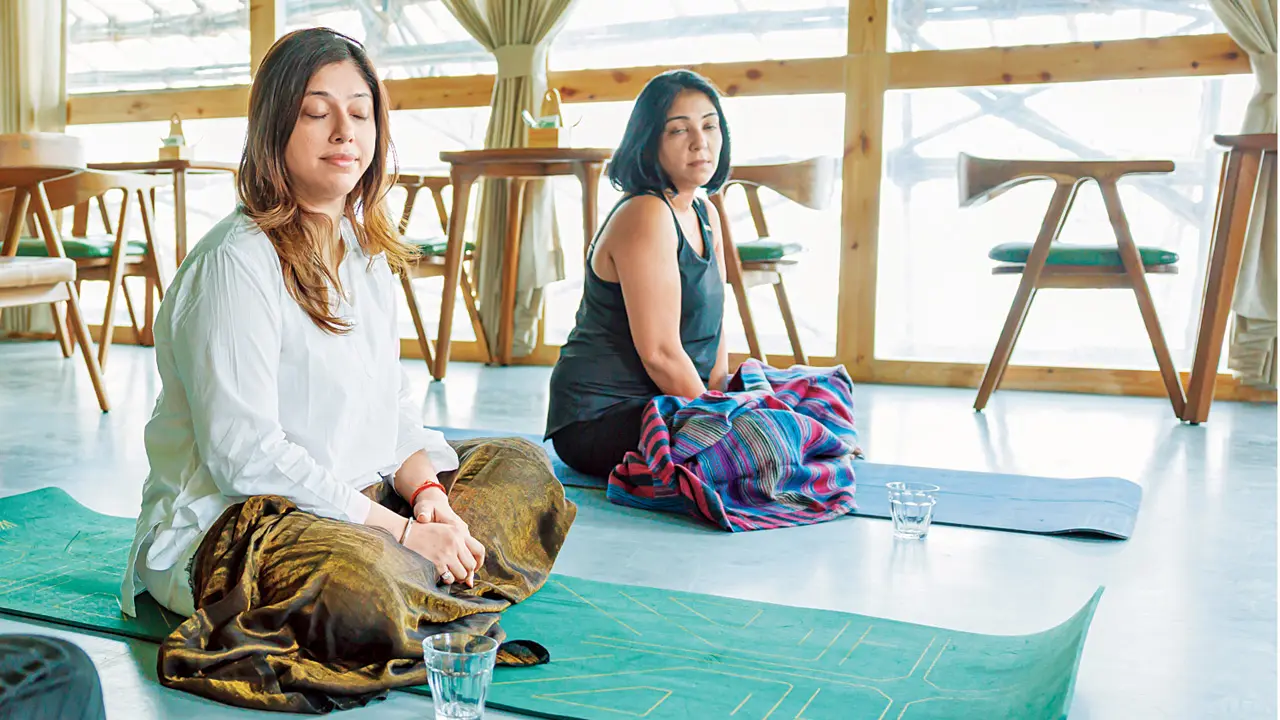
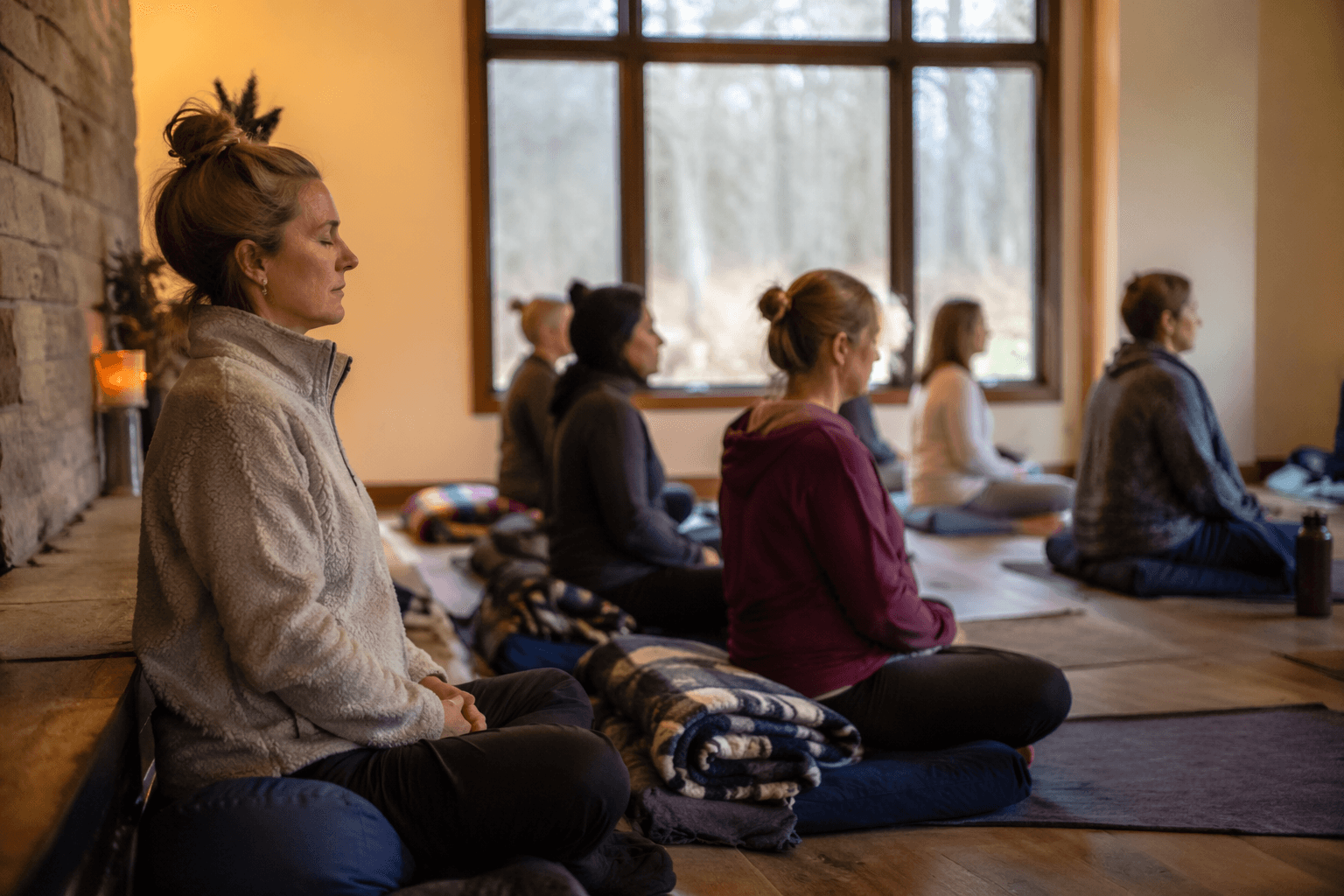
WHO links yoga, mindfulness and meditation to healthy ageing
WHO recast yoga as a longevity tool, not just exercise, tying mindfulness and meditation to healthy ageing. The target was older adults in a region of nearly two billion people.
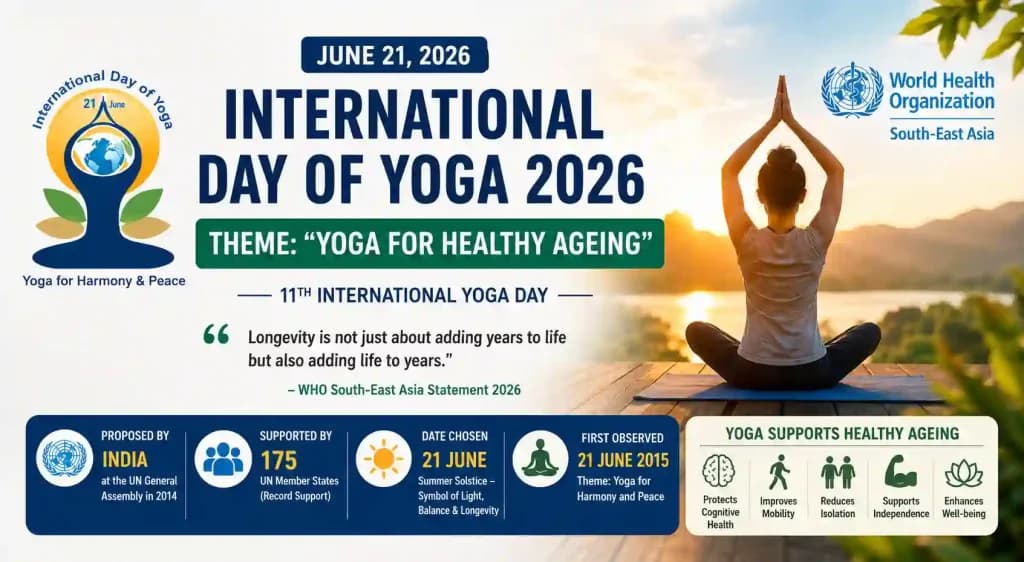
WHO used International Day of Yoga to push a clear message: yoga was being framed as a healthy-ageing tool, not just a fitness routine. In a June 20 statement delivered by Dr Catharina Boehme, WHO South-East Asia put breath regulation, mindfulness and meditation at the center of the practice, under the theme Yoga for Healthy Ageing.
The pitch was aimed especially at older adults in South-East Asia, where WHO says the region includes 10 member states and nearly two billion people. That matters because the United Nations Decade of Healthy Ageing runs from 2021 to 2030, and the global agenda around older age is not just about living longer, but about staying active, connected and independent for longer stretches of life.
WHO’s strongest case for yoga was practical rather than mystical. The agency said it is scalable, low-cost and adaptable across different fitness levels and health conditions. It also linked yoga to physical function, mental wellbeing and social connectedness, which is where the mindfulness side of the story becomes more than branding. Breathwork, meditation and attention training were presented as part of the same health framework as movement, balance and mobility.
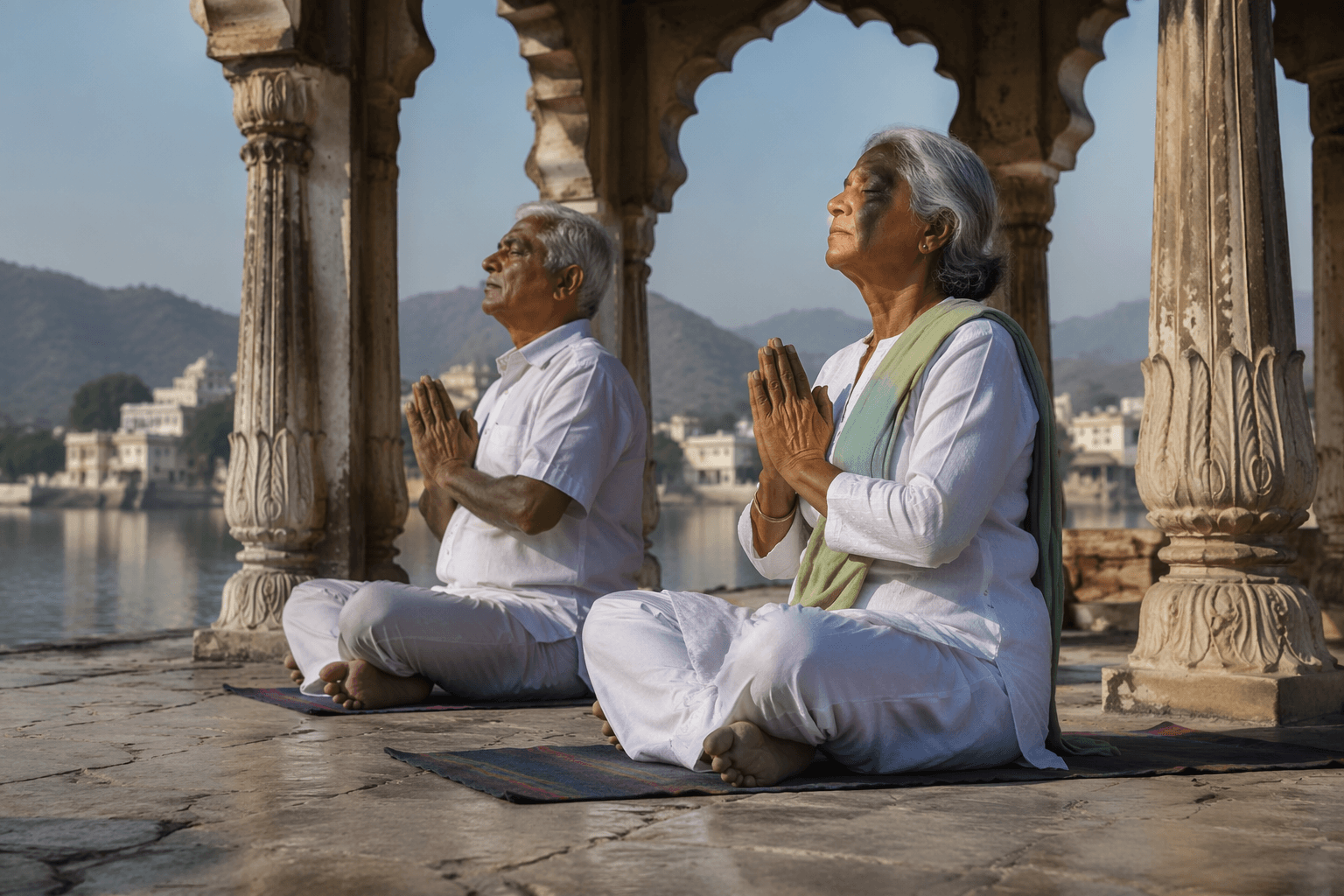
That framing has support where ageing risks are concrete. WHO’s ageing-and-health guidance says older age is often associated with frailty and falls, and the Centers for Disease Control and Prevention says falls are the leading cause of injury for adults 65 and older. The CDC says more than 14 million older adults, about 1 in 4, report falling each year. In that light, yoga’s promise is less about flexibility and more about reducing risk, preserving independence and keeping people engaged in a way that can actually fit into daily life.
The policy backdrop was equally deliberate. The United Nations General Assembly adopted International Day of Yoga through resolution 69/131 on December 11, 2014, after India proposed it and a record 175 member states endorsed it. WHO’s 2025 Yoga Day page said 177 UN member states later co-sponsored the resolution. India’s Ministry of Ayush announced the 2026 theme on June 1, and Secretary-General António Guterres said the message speaks to physical and mental wellbeing, mobility and dignity as populations age.

That is the real shift in WHO’s framing. Yoga was presented as a durable public-health tool built around mindfulness and meditation, with the clearest payoff in balance, fall prevention and day-to-day function.
This article was produced by Prism’s automated news system from verified source data, official records, and press releases, then run through automated quality and moderation checks before publishing. The system is built and supervised by the people who set the standards it runs under. Read our full AI policy.
Know something we missed? Have a correction or additional information?
Submit a Tip