Golden Demon Champion Martin Peterson Shares Decades of Painting Evolution
Martin Peterson’s latest Warhammer TV spot is less about trophies and more about the habits that keep an 11-time Golden Demon winner improving.
Martin Peterson’s current priority is evolution, not nostalgia
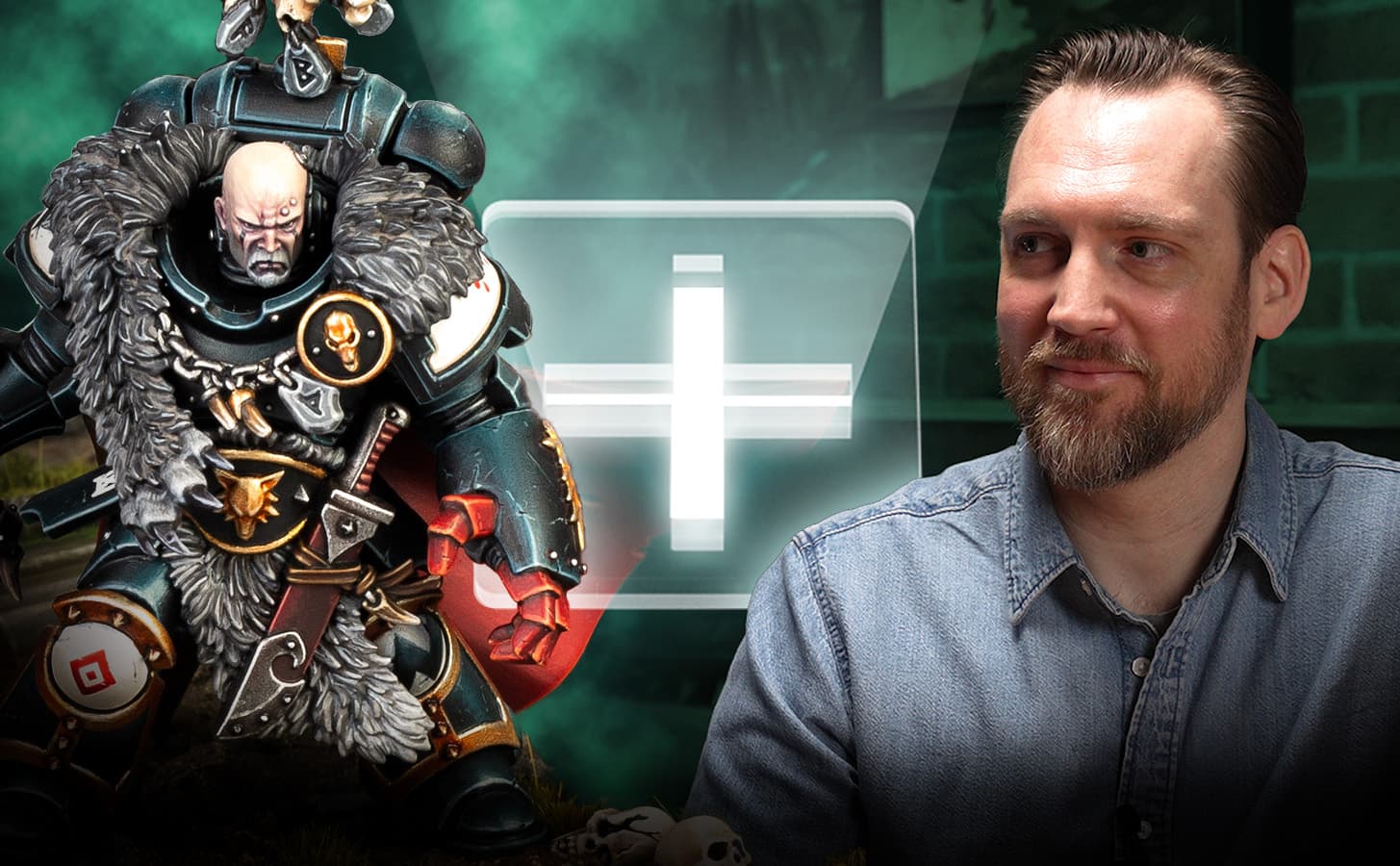
Martin Peterson’s latest Warhammer TV appearance is useful because it strips away the myth of the untouchable champion and gets straight to the part active painters care about: how he keeps moving forward. In the Painting Desk segment, the 11-time Golden Demon winner talks with Ed about three of his most recent entries, and the emphasis is on motivation, improvement, and knowing when a competition piece needs to push beyond the familiar ’Eavy Metal look.
That distinction matters. For competition painters, Peterson’s value is in the way he treats painting as a living practice, not a finished identity. For tabletop painters, the lesson is a little different but just as useful: standards only stay high if you keep setting new ones, even when the model is “just” another unit for the army.
A record built on range, not repetition
Peterson’s Golden Demon story starts in 2002, when his first win came from an Imperial Fists Space Marine duel piece. That detail matters because it already shows what has defined his career ever since: he did not become an 11-time winner by repeating one formula until it stopped working. Warhammer Community’s own rundown of his award history points to later wins across Space Wolves, Darkoath, Blood Bowl, and other projects, which tells you he has never stayed boxed into one faction, one style, or one kind of miniature.
That breadth is part of the point. Golden Demon rewards precision, but Peterson’s record shows that precision can live in very different visual languages, from the clean discipline of Space Marines to the harsher textures of Darkoath or the personality-driven world of Blood Bowl. If you paint for competition, that is the real takeaway: mastery is not about locking yourself into a single signature look. It is about being able to adapt your finish, your palette, and your presentation to whatever the model demands.
What his current entries suggest about competition-level painting
The important thing about Peterson’s Warhammer TV segment is that it focuses on three recent entries rather than one crown jewel. That framing is revealing. A painter at his level is not just hunting a single big finish; he is constantly building a body of work that proves consistency across different subjects, moods, and technical demands.
For competition painters, that means three habits stand out:
- Keep the work varied. Peterson’s history spans Space Wolves, Darkoath, Blood Bowl, and more, which suggests he is still choosing projects that test different muscles.
- Judge each piece on its own terms. A model that wants a brutal, grimy finish should not be forced into the same visual language as a polished display marine.
- Protect your motivation. The segment makes clear that staying inspired is part of staying competitive, not a side issue.
That last point is where a lot of painters slip. Golden Demon-caliber work does not come from brute-force repetition alone. It comes from knowing when to step away from your comfort zone before the output starts feeling automatic.
What tabletop painters can steal from a Golden Demon veteran
If you are painting armies rather than one-off showcase pieces, Peterson’s approach still has real value, just in a different lane. His career shows that quality is not reserved for the final showpiece on the desk. The discipline behind an 11-time winner is the same discipline that makes a 10-model unit look coherent, sharp, and finished instead of merely assembled and basecoated.
The most practical lesson here is to stop thinking about “display painting” and “tabletop painting” as completely separate universes. Peterson’s willingness to move beyond one default look is exactly what helps army painters too. A tabletop force gets better when you vary texture, push contrast where it matters, and choose a finish that suits the army’s story rather than hiding behind one safe recipe.
For everyday hobby work, that means:
- Use different approaches for different project goals, instead of forcing every model through the same workflow.
- Treat motivation as a resource. Peterson’s long career suggests that momentum is built by choosing projects that keep the hobby fresh.
- Aim for visible improvement, not just completion. A finished army is great; a better-finished army is better.
That is why his record matters to non-competition painters too. He is proof that a painter can keep climbing without losing the ability to actually enjoy the process.
Golden Demon is still the benchmark, and 2026 proves it
Peterson’s interview lands inside a broader Golden Demon push from Warhammer Community that reinforces how central the competition still is to the hobby. Golden Demon has been running since 1987, receives thousands of entries every year from around the world, and remains Warhammer’s ultimate painting competition. This year’s US leg took place at AdeptiCon in Milwaukee, Wisconsin, which gives the event a real-world anchor instead of leaving it as a distant online spectacle.
The coverage around it matters too. Warhammer Community says the 2026 Painting Desk Roadshow at AdeptiCon included multiple interviews throughout the week, plus an exclusive chat with Slayer Sword winner David Arroba. Warhammer TV’s broader slate also included Deep Strike and How We Roll, but Peterson’s segment is the one that lands directly with painters because it shows how elite work is actually maintained, not just celebrated.
And the calendar is not done yet. Warhammer Community says the European leg of Golden Demon 2026 returns to SPIEL Essen in Germany from October 22 to 26, which keeps the competition very much in motion. That international reach is part of why Peterson’s appearance resonates: it sits in a global system where painting quality is constantly being measured, compared, and pushed forward.
The strongest thing about this update is how unsentimental it is. Peterson’s career is not presented as a museum piece. It is presented as evidence that the best painters keep changing, keep testing themselves, and keep finding new reasons to care about the next model on the bench.
This article was produced by Prism’s automated news system from verified source data, official records, and press releases, then run through automated quality and moderation checks before publishing. The system is built and supervised by the people who set the standards it runs under. Read our full AI policy.
Did this article answer your question?