Salute 2026 walkabout spotlights painting competition, Hobby Heroes and display armies
Ben’s Salute 2026 walkabout puts the painting competition, Hobby Heroes and standout display tables front and centre for painters who want the show’s visual takeaways.
What Salute 2026 looks like through a painter’s lens
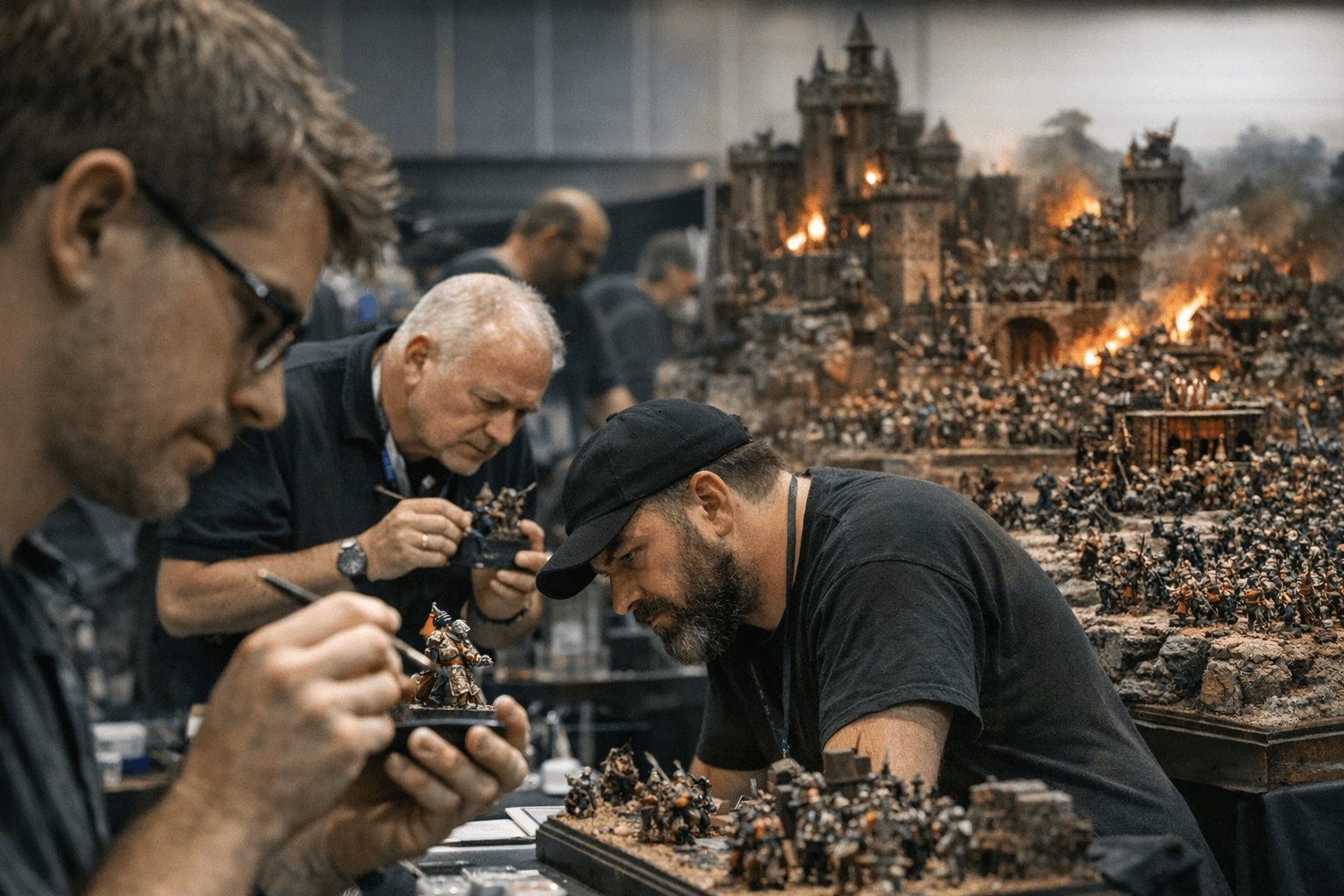
Ben’s walk through Salute 2026 makes the visual story easy to spot: the painting competition, Hobby Heroes area, traders, and packed participation tables are the parts that matter most if you care about how the hobby looks, not just how it plays. The route from the entrance to the far side of the hall turns the show into a live gallery of miniatures, terrain, and army presentation, which is exactly why this event keeps drawing painters back.
Salute has that kind of gravity because it is not a side show or a one-off market day. The South London Warlords describe it as Europe’s largest independent wargaming event, held once a year for one day only at London ExCeL. That single-day format creates a dense, high-energy hall where every booth, display case, and demo table has to do real work fast.
Why the painting competition matters so much
For miniature painters, the painting competition is the clearest signal that Salute treats the hobby’s visual side as a headline attraction. The South London Warlords say the competition is world-renowned, displayed in glass cabinets, and judged by prominent hobby painters, which gives the whole area a proper showcase feel rather than a tucked-away corner. That matters because cabinet display changes how you read a model, from tabletop-ready to carefully composed presentation piece.
The competition also tells you what kind of standard the show rewards. At Salute, paint jobs are not just supporting the gaming side of the hobby; they are part of the event’s identity. If you are looking for ideas about crisp edge work, dramatic contrast, basing that frames the model cleanly, or army pieces that hold up under glass, this is the section that sets the tone.
Hobby Heroes adds the human side of the hobby
The Hobby Heroes stage gives the show a different kind of reference point. South London Warlords say the format brings together authors, painters, historians, hobbyists, and wargamers, which means the event is not only about finished miniatures but also about the people who shape the culture around them. That mix gives the hall more depth than a straight retail floor, because it connects the models on the tables to the stories, techniques, and worlds behind them.
For painters, that is useful in a very direct way. A good panel session can sharpen the way you think about army themes, historical accuracy, narrative presentation, and how much personality a force can carry before it stops looking cohesive. Hobby Heroes turns the show into a place where the discussion around paint and presentation is visible, not hidden behind the scenes.
The best tables are the real trend report
The Salute 2026 walkabout makes it clear that the standout demo and participation tables are not just filler between shopping stops. OnTableTop’s best-of roundup points to clubs, companies, and gaming groups as the force behind the show’s most eye-catching tables, which is exactly why the hall feels so varied. That spread matters, because it means you are not seeing one narrow studio style repeated over and over.
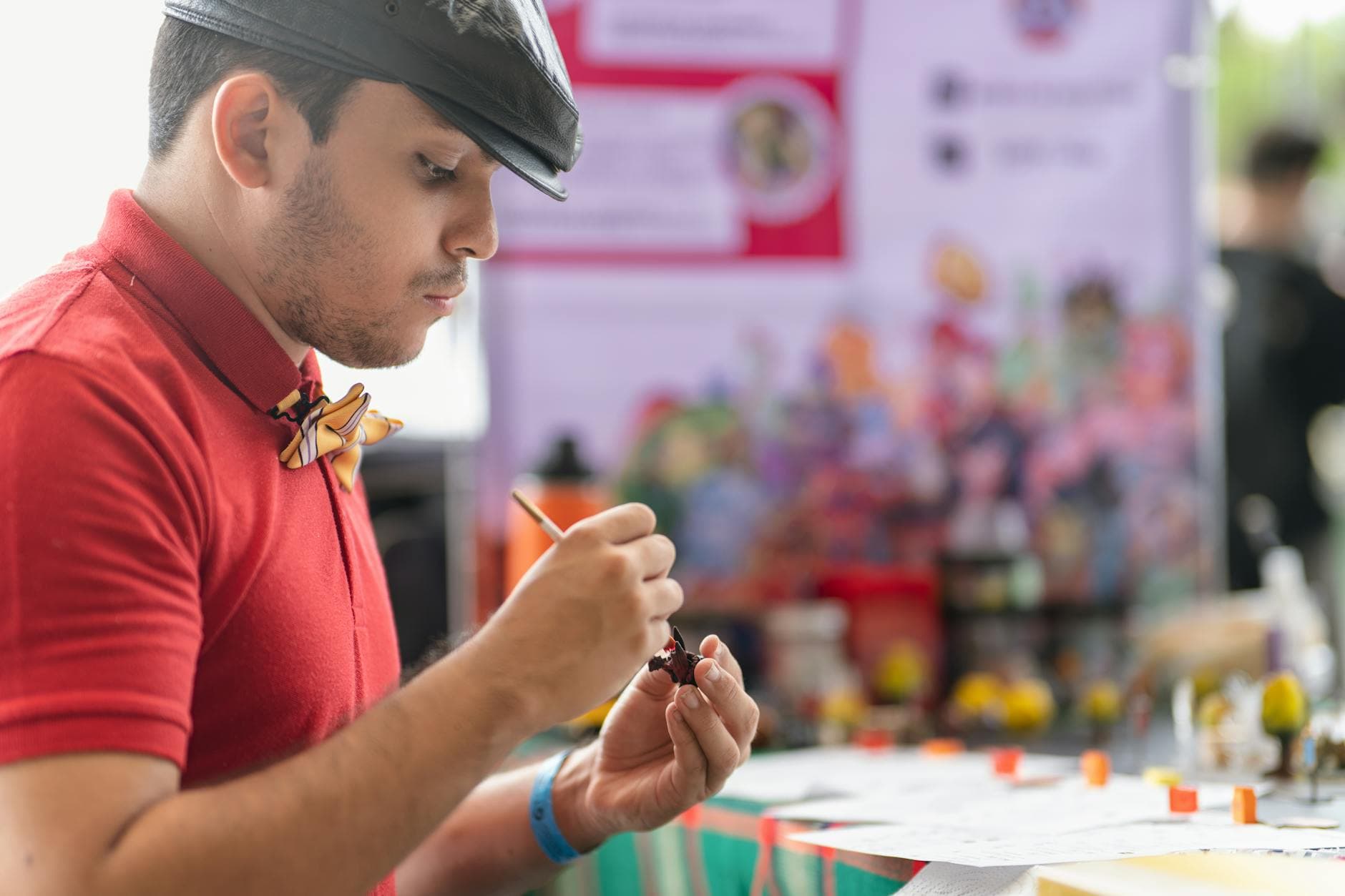
For painters, those tables are the best place to read the hobby’s current visual language. The research around the show points to the kind of details that matter most in a crowded convention hall: themed armies, custom terrain, display-quality miniatures, and a wide range of styles and scales. In practice, that means Salute is where you pick up fresh ideas for new schemes, new basing approaches, and better ways to present an army so it still reads clearly from a distance.
A long-running show still sets the pace
Part of Salute’s power comes from its history. The South London Warlords say the first Salute was held in 1972 at the Surrey Tavern at the Oval Cricket Ground, and that the event has only been interrupted once, by the 2020 pandemic. That kind of continuity is rare in any hobby scene, and it helps explain why the show still feels like a gathering point rather than just another convention.
The scale shows up in the numbers too. Salute 52 took place on Saturday 12 April 2025 at London ExCeL and drew over 7,000 visitors, which is a serious crowd for a one-day show. Its theme was Highlanders, and the official miniature, Lieutenant Colonel James Macdonell, was sculpted by Paul Hicks, manufactured by Footsore Miniatures, and painted by Kev Dallimore. The digital miniature was the Highlander Mech Pilot by Crow Industries, a reminder that the event’s visual identity stretches across both physical and digital presentation.
What painters should take from the 2026 walkabout
Basing, palette, and presentation cues
The key lesson from Salute 2026 is that presentation still wins attention. The best tables and cabinet pieces are the ones that combine clear army identity with terrain and basing that supports the story, not fights it. If you are planning your next project, the show’s mix of display armies and participation tables is a strong reminder that a force looks stronger when every element, from rim color to scenery, pulls in the same direction.
Why the event keeps mattering
Salute’s value to painters is that it compresses the whole hobby into one hall: traders, games, stage talks, competition pieces, and community-built displays all sit side by side. That makes it a practical place to measure where army presentation is heading and how different groups choose to frame their armies, whether the emphasis is historical detail, bold fantasy color, or high-impact display work. For anyone who follows miniature painting closely, Salute remains one of the clearest real-world snapshots of how the hobby’s visual side evolves.
This article was produced by Prism’s automated news system from verified source data, official records, and press releases, then run through automated quality and moderation checks before publishing. The system is built and supervised by the people who set the standards it runs under. Read our full AI policy.
Did this article answer your question?