Warhammer Community revisits Corvus Corax and the Raven Guard after Isstvan V
Warhammer Community’s latest Raven Guard Black Books page turns a 98-day survival campaign into a paint guide for ash, shadows, and hard-edged narrative basing.
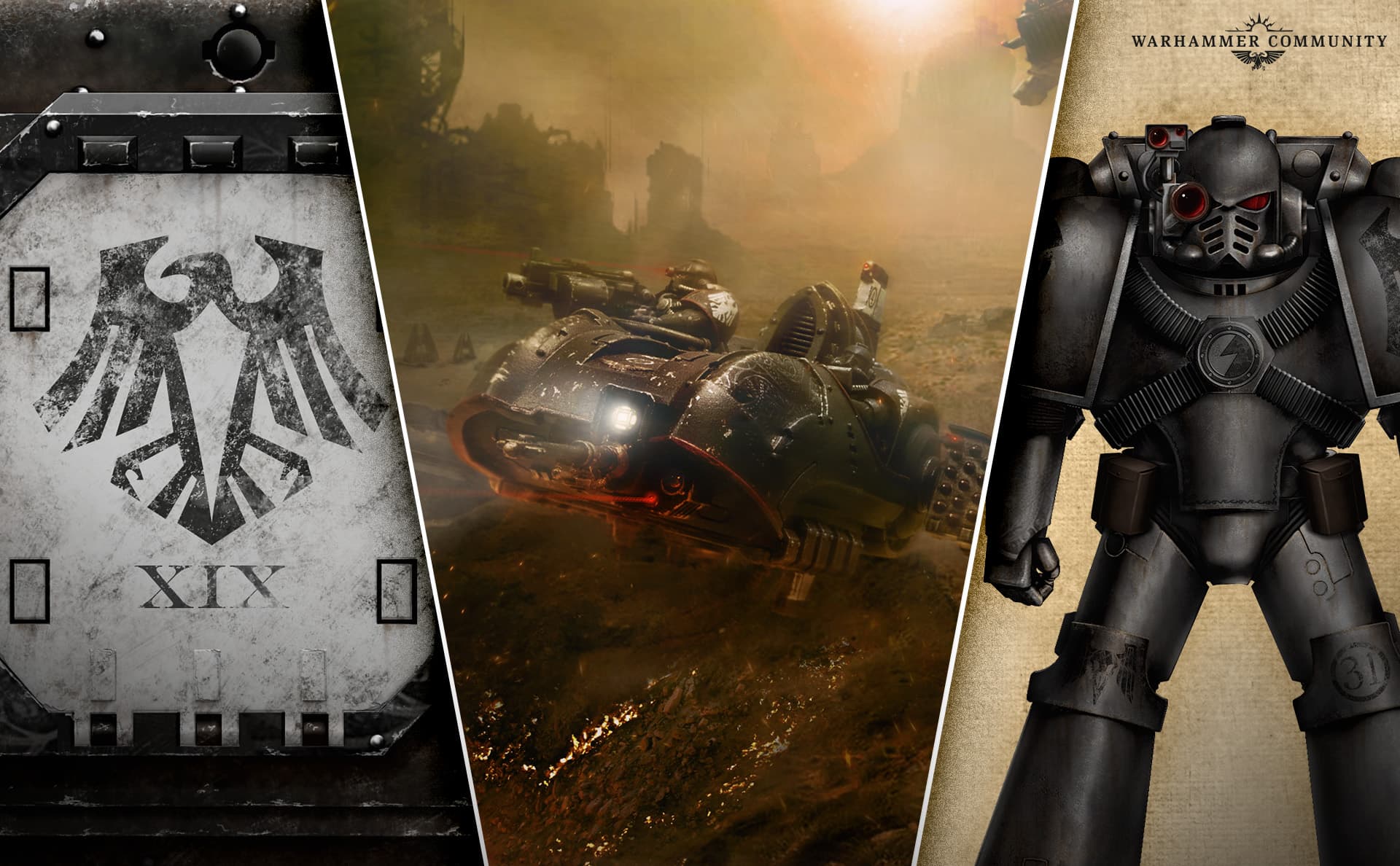
Warhammer Community’s latest Pages from the Black Books entry gave Raven Guard painters a clear visual brief: Corvus Corax’s sons are not a bright, parade-ground Legion, but a force forged in a 98-day fight for survival after the Dropsite Massacre. The piece pulled from The Horus Heresy Book Three: Extermination, first published in 2014, and pushed the focus onto the aftermath of Isstvan V, where the Raven Guard were forced to keep fighting through stealth, speed, and attrition.
That matters at the hobby table because the Raven Guard’s identity is built around mood as much as markings. Warhammer Community describes them as masters of stealth, subterfuge, and misdirection, and that translates cleanly into paint choices: near-black armour, restrained chapter markings, oily edge highlights, pale scars, and battlefield grime that looks earned rather than decorative. The force does not ask for fiery color clashes. It asks for contrast, shadow, and damage that tells a story.
The source material gives painters a strong narrative anchor. Isstvan V remains one of the darkest tragedies of the Horus Heresy, where the Salamanders, Iron Hands, and Raven Guard were trapped and slaughtered. Corvus Corax nearly escaped aboard a Thunderhawk before it was shot down in the Traitor barrage, and Black Library’s Deliverance Lost synopsis adds that Corax and the surviving Raven Guard fled the massacre, tried to rebuild their strength, and that Corax went to Terra to seek the Emperor’s help. That sequence practically paints itself as a diorama: wrecked hull plating, scorched earth, shattered ceramite, and a single surviving model framed against smoke and ash.
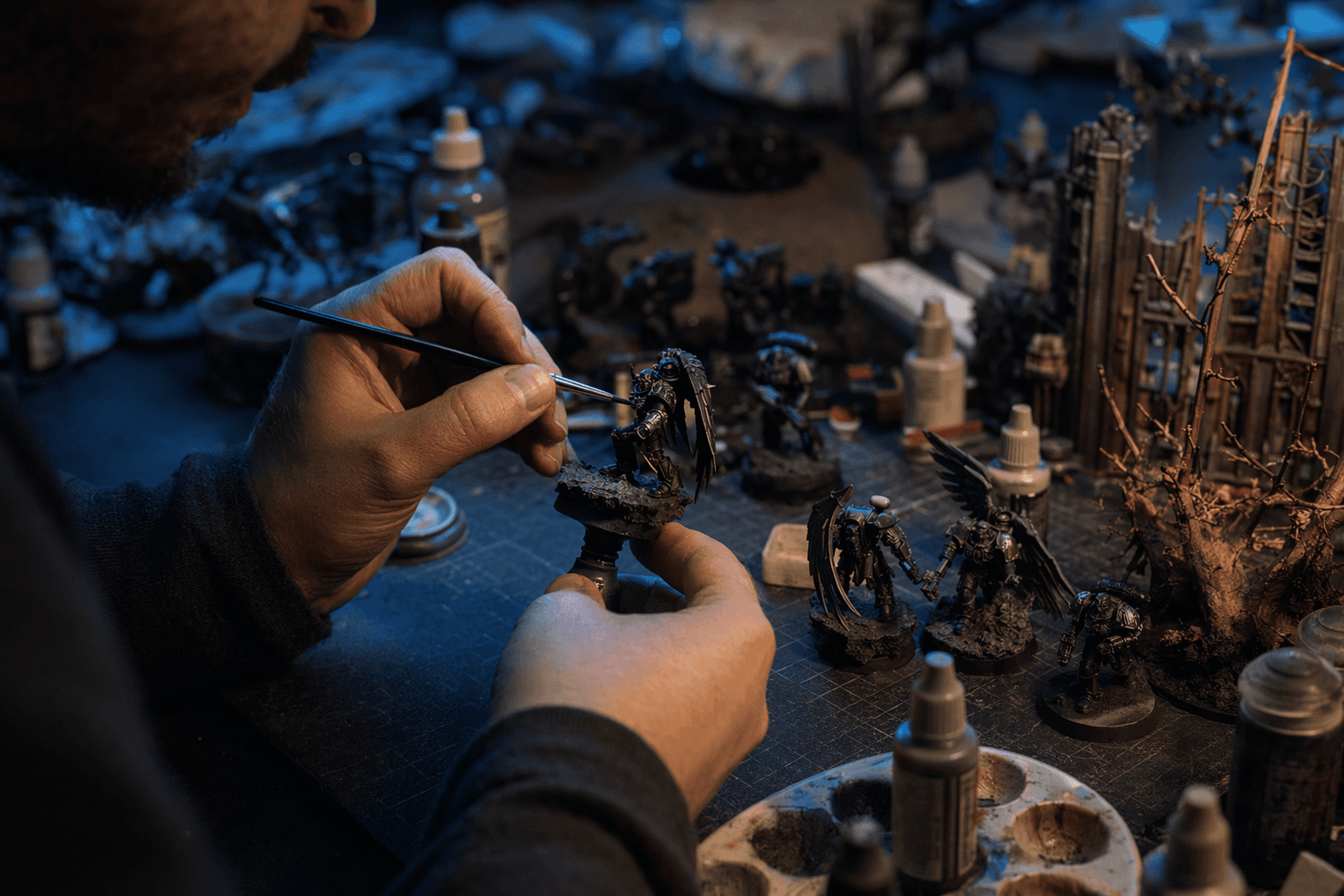
Warhammer Community’s earlier Raven Guard Black Books post also points painters toward MkVI power armour, known as Corvus armour in honour of Corax. That gives a clean place to start for a Horus Heresy force built around the Legion’s most recognisable silhouette, especially if the goal is a unified campaign army rather than a mixed showcase of experiments. The same page series reinforces why the Legion still resonates: after Isstvan V, the Raven Guard spent the rest of the Heresy striking from the shadows and liberating beleaguered systems.
For painters, that is the real payoff. Victory is Vengeance is not just lore to read through, but a palette for a Raven Guard army that feels hunted, disciplined, and relentless. It supports everything from muted tabletop units to a high-contrast display board built around secrecy, wreckage, and the long war that followed the massacre.
This article was produced by Prism’s automated news system from verified source data, official records, and press releases, then run through automated quality and moderation checks before publishing. The system is built and supervised by the people who set the standards it runs under. Read our full AI policy.
Did this article answer your question?