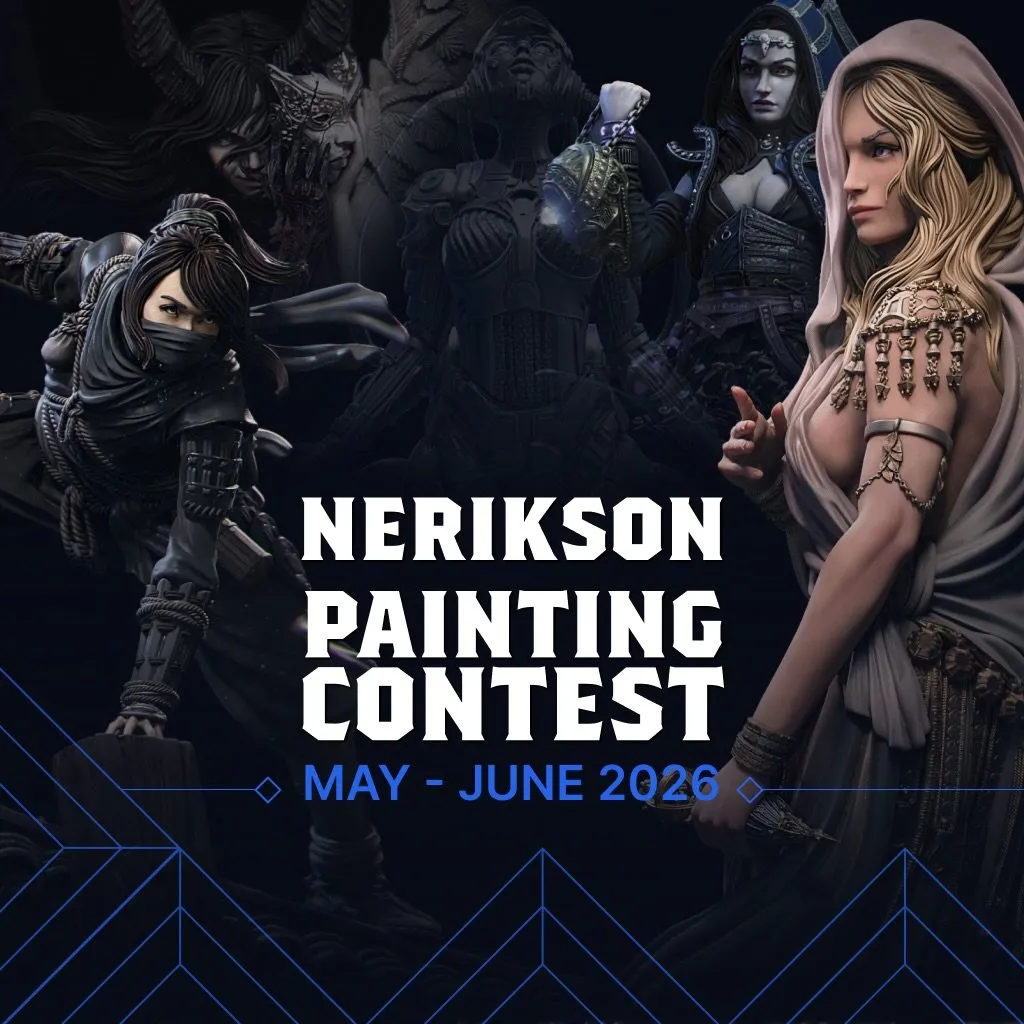
Hamburg miniature painting workshop focuses on light placement and composition
Krzysztof Kobalczyk’s Hamburg class is built for painters who want better light placement, stronger composition, and faster progress on display-level miniatures.
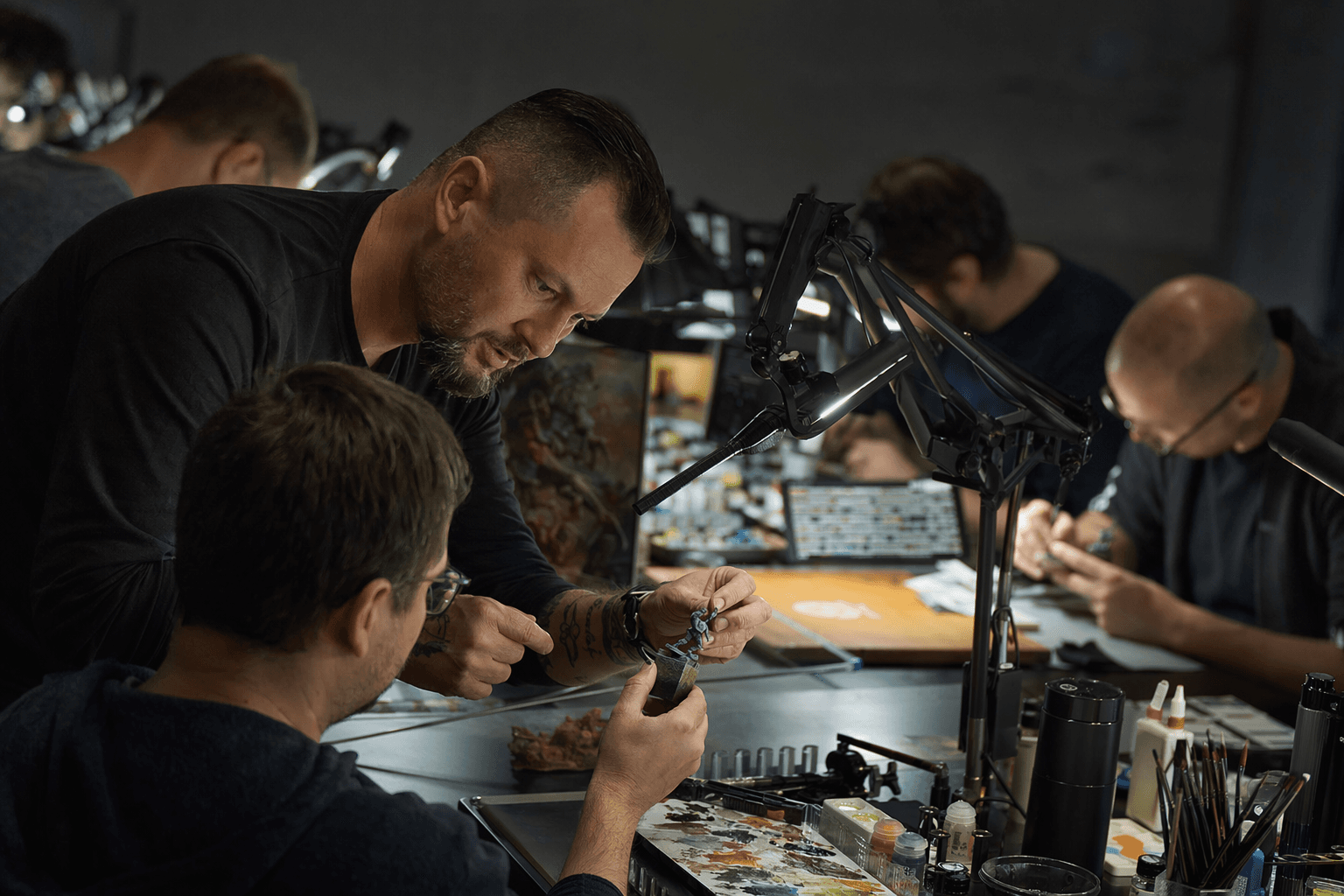
Krzysztof Kobalczyk, better known as REDAV, is teaching the kind of class that can change how your miniatures read on the table. The Hamburg workshop puts light placement, composition, and miniature painting techniques front and center in a small-group setting, which is exactly where real skill jumps usually happen. If you already know the basics and want your figures to look more deliberate, more readable, and less flat, this is the sort of workshop that can pay off fast.
What the class is actually teaching
The headline here is not a new paint release or a shiny tool. It is technique, and specifically the kind of technique that turns a clean paint job into a model with a clear focal point. Light placement and composition are the two ideas that separate “nicely painted” from “I can’t stop looking at that piece,” because they control where the eye goes first and how the rest of the model supports that decision.
That matters most on figures and busts, where the scale is small but the decisions are huge. If you place the brightest highlight in the wrong spot, the whole composition can feel confused. If your values are too close together, the silhouette disappears. A class built around these problems is useful because it focuses on the things painters usually have to learn the hard way, through a lot of finished models and a fair amount of frustration.
Why RedArt is the draw
The instructor is Krzysztof Kobalczyk, also known as RedArt and REDAV, and that name carries weight for a reason. RedArt Miniature Academy describes him as a professional miniature painter with 12 years of experience, and it notes a gold medal in the Masters category at Scale Model Challenge. That is the kind of background that suggests he is not teaching theory from a distance, but working from the habits and standards of someone who has already competed at a high level.
His RedArt Miniature Academy Patreon also gives a sense of the audience he already serves: 1,090 members and 431 posts. That is a substantial teaching footprint in a hobby where artists often build followings one tutorial at a time. For a painter trying to figure out whether the workshop is worth the money, that matters. It suggests a proven teaching style and a community that already treats his instruction as something worth following.
Who should book this, and who should skip it
This is not the kind of class I would point a total beginner toward first. The real value sits with painters who already know how to basecoat, shade, and highlight, but want their pieces to feel more intentional. If you can paint a solid tabletop miniature but still struggle to make the face, weapon, or cloak become the obvious focal point, that is the exact gap this workshop is built to address.
It is also a smart fit if you want to improve value separation and silhouette, two things that matter more as your work gets more ambitious. The workshop description emphasizes a small-group, in-person format, so you are not just sitting through a broad lecture. That usually means more direct feedback, more chances to ask specific questions, and more room to troubleshoot the exact problem sitting on your desk, whether that is a bust, a hero piece, or a competition model.
Why the format matters
There is a real difference between a video tutorial and a live class. In a small-group workshop, composition decisions can be corrected in the moment instead of after the fact, which is often the difference between “that almost works” and “now it reads instantly.” When a teacher is looking at your piece directly, they can point out why a light source is fighting the pose, or why your brightest spot is stealing attention from the face.
That hands-on correction is the practical upside here. A painter can watch light placement demos online forever and still miss the one thing making their work feel muddy. In a live setting, especially one with limited seating, the instruction tends to get more specific because it has to. That is a good sign for anyone who wants fewer vague principles and more fixes they can apply on the next model.
The price tells you exactly what kind of event this is
The MiniCal organizer page lists the workshop at €250, and that price puts it firmly in premium, specialist territory. That is not an impulse purchase, and it should not be treated like one. It is the kind of ticket that makes sense when you are paying for concentrated instruction, direct feedback, and a chance to work through higher-level painting problems with someone who has already built a reputation around that skill set.
The limited seating and early registration recommendation reinforce that point. This is not presented like a casual drop-in demo where you can decide on the day. It is a committed workshop with enough demand to fill up, which is usually the sign that the value is in access and attention, not just attendance.
Is the trip or ticket worth it?
For painters chasing better results, yes, this looks worth serious consideration. If your goal is to get stronger at directing the viewer’s eye, building focal points, and creating cleaner value separation, the topic mix is unusually practical. Those are the exact tools that make a model read better from arm’s length and hold up in close-up photos.
The trip makes the most sense for painters who care about display work, competition pieces, or simply making their armies look sharper than average. If you only want a broad intro to the hobby, the €250 price is probably too specialized. But if you already have the basics and want a real jump in how your models compose on the base and on the shelf, this is the sort of class that can save months of trial and error.
Why this stands out in the hobby calendar
Pigment Pirates Hamburg deserves credit for putting on an event that is clearly built around skill transfer rather than hype. In a hobby week full of product reveals and rules chatter, a workshop like this is more useful than it first looks because it points directly at what painters can improve right now. It also shows a local community doing real work to support miniature painting through in-person teaching, not just online content.
The MiniCal itself frames that bigger picture well, acting as a calendar for miniature-painting competitions, artist workshops, and hobby conventions. Hamburg’s RedArt class fits that ecosystem perfectly: a focused event, a known instructor, a real price tag, and a concrete outcome. If you are looking for the kind of lesson that can change how your miniatures read the moment the brush leaves the model, this is the right kind of workshop to bet on.
This article was produced by Prism’s automated news system from verified source data, official records, and press releases, then run through automated quality and moderation checks before publishing. The system is built and supervised by the people who set the standards it runs under. Read our full AI policy.
Did this article answer your question?