Epic Games Boss Calls Google Settlement a Meaningful Reset for Mobile Markets
Epic's six-year fight with Google cut the Play Store's standard 30% fee to 20%, but critics say most developers will only see a 5% real-world improvement.
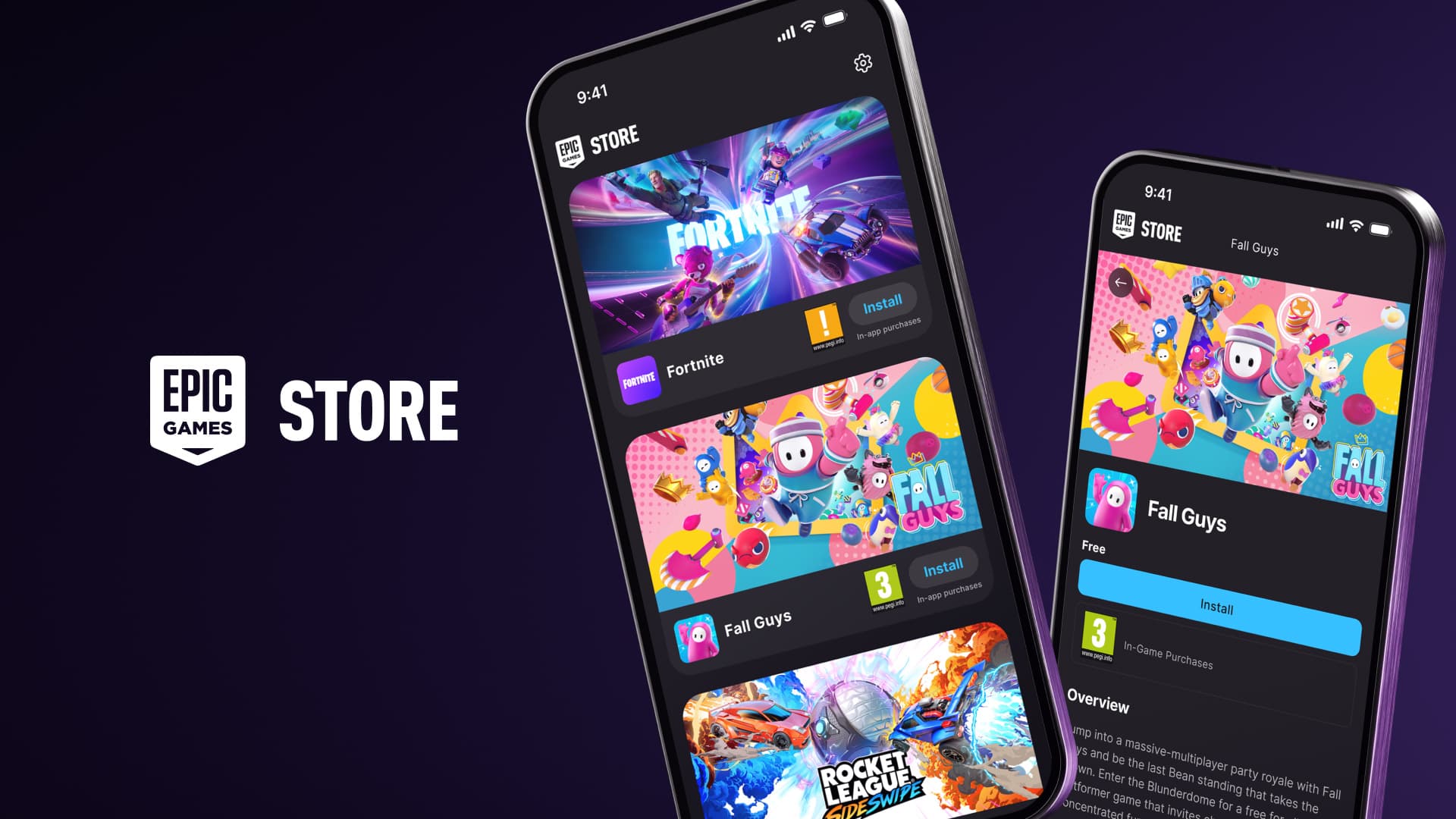
Developers who spent years watching Epic Games fight Google in court now have a concrete number to work with: the standard Play Store commission has dropped from 30% to 20%, and Epic Games Store General Manager Steve Allison says that change is only the beginning.
Speaking to Craig Chapple at GDC, Allison called the settlement a "meaningful reset" for the mobile market, framing it as the payoff on a nearly six-year campaign that Epic launched without knowing where it would land. "It's good for the industry and the industry needs it right now," Allison said. "The headwinds are real and strong and we just had no view on how long it would take or if we could get to what we were pushing for."
Beyond the headline rate cut, the deal includes concessions Allison described as equally important: the ability to use alternative payments, reduced friction around so-called "scare screens" that appeared when users installed apps outside the Play Store, and new latitude for alternative app stores. For developers willing to dig into the available programs, Allison said the effective rate could go lower still. "I think that those that want to lean in and get that 20% and maybe in some cases, 15%, I would say that's worth it," he said. His preferred destination would have been 12% or 10%, but his assessment was pragmatic: "Where we land is where we land."
Not everyone read the settlement as favorably. Mobilegamer.biz argued the practical gains for most developers using Google's default billing setup are considerably thinner than Epic's framing suggests. According to that analysis, the deeper discounts are tied to specific programs, most notably the Level Up program, which targets new installs and can yield roughly an additional 5% improvement. For studios with established back-catalogs generating steady IAP revenue, the piece argued that the core financial math may barely shift. "In real terms, for most developers currently using Google's default billings and store set-up, nearly six years of legal bluster amounts to a 5% cut," Mobilegamer.biz wrote. The site also pointed to a structural tension in how both Google and Apple handle alternative distribution: complexity is a deterrent in itself. "Both tech giants know, deep down, that the more complicated and annoying they make this stuff, the less likely it is that anyone will bother to do it."
The road to this settlement started in August 2020, when Epic embedded its own payment system inside Fortnite to bypass Google's 30% cut. Google removed Fortnite from the Play Store in response, Epic sued, and a California jury later found Google liable for exclusionary conduct across multiple antitrust counts. Mediation produced a term sheet in November 2025, and by October 29, 2025, Google had begun rolling out the option for U.S. developers to offer alternative payment options inside their apps, bypassing Google Play Billing entirely.
For Epic, the legal outcome feeds directly into its product roadmap. The company plans to open its games-focused marketplace to self-publishing on both iOS and Android from August, a move that would put Epic in direct competition with the stores it just spent half a decade suing. Allison also flagged AI as an emerging factor in the next phase of the marketplace battle, calling it a "revelation" for game discovery.
Whether the settlement delivers transformative economics or incremental paperwork depends heavily on which developers you ask, and how much administrative appetite their teams have for joining new programs, vetting alternative billing vendors, and navigating compliance requirements that come with skipping platform-native payment rails. The tools exist now. The question is who will actually use them.
This article was produced by Prism’s automated news system from verified source data, official records, and press releases, then run through automated quality and moderation checks before publishing. The system is built and supervised by the people who set the standards it runs under. Read our full AI policy.
Did this article answer your question?


