How Snake and early handhelds shaped mobile gaming history
Snake made mobile gaming feel personal long before app stores, and the leap from Nokia 6110 to the iPhone App Store turned pocket play into a culture of its own.
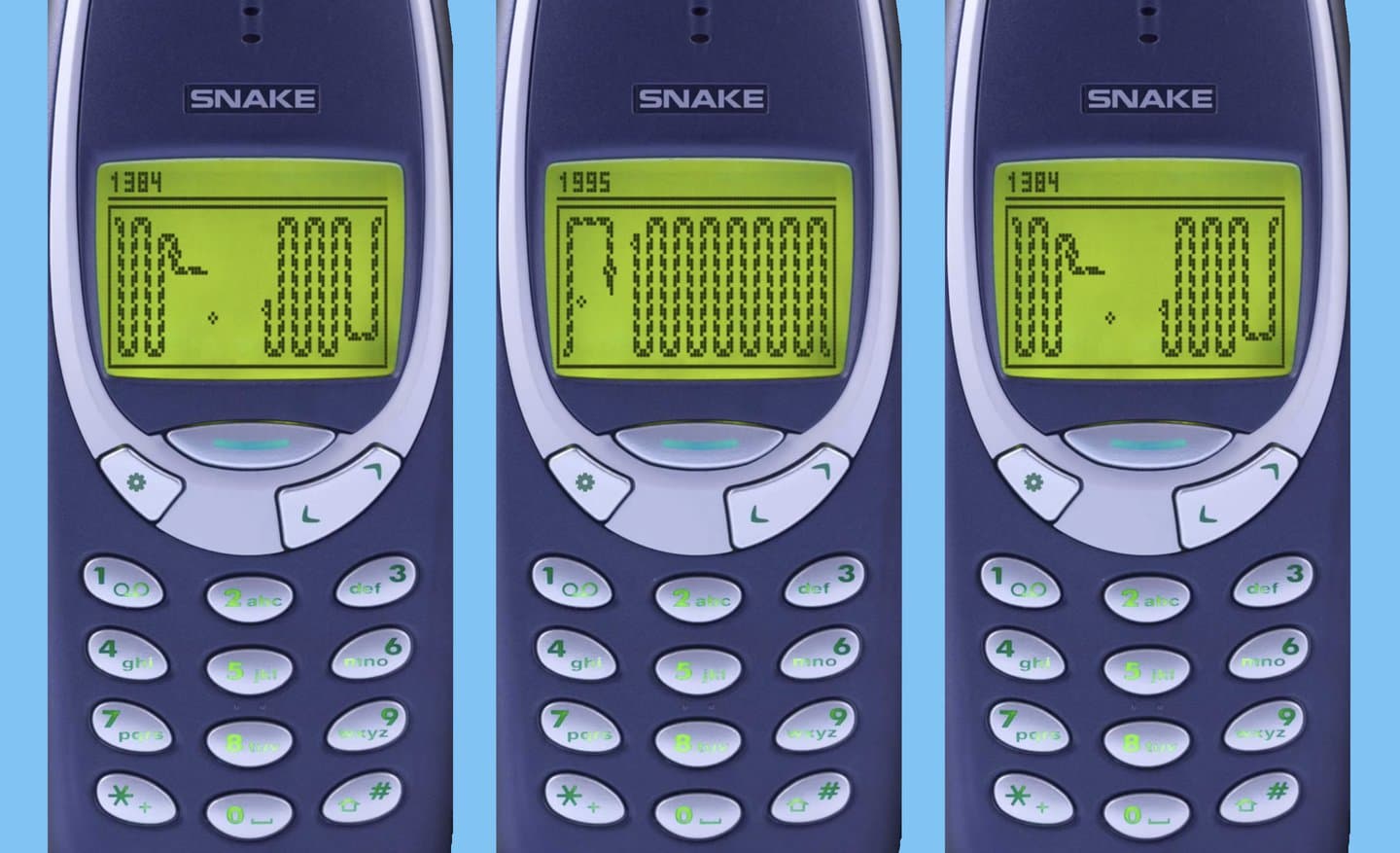
Taneli Armanto programmed Nokia Snake in 1997 for the Nokia 6110, on a device with tiny screens, limited buttons, limited battery, and almost no memory. The real challenge was making a game stick between calls, commutes, and bored moments in line.
Before smartphones, the rules were different
Mobile games predated the App Store by a long stretch. Before app icons and storefront rankings, games arrived on dedicated handhelds and early mobile phones, where every design decision had to work around cramped hardware. A game had to load fast, make sense instantly, and survive in short bursts, because no one was settling in for a living-room session on a brick-sized phone.
That older era reaches further back than many players realize. The core idea behind Snake reaches back to Gremlin Industries’ Blockade, an arcade game released in 1976 that used a growing-line mechanic.
Snake turned a phone into a playground
The cultural break came with Nokia Snake. The Strong National Museum of Play puts its preinstalled reach at more than 350 million phones.
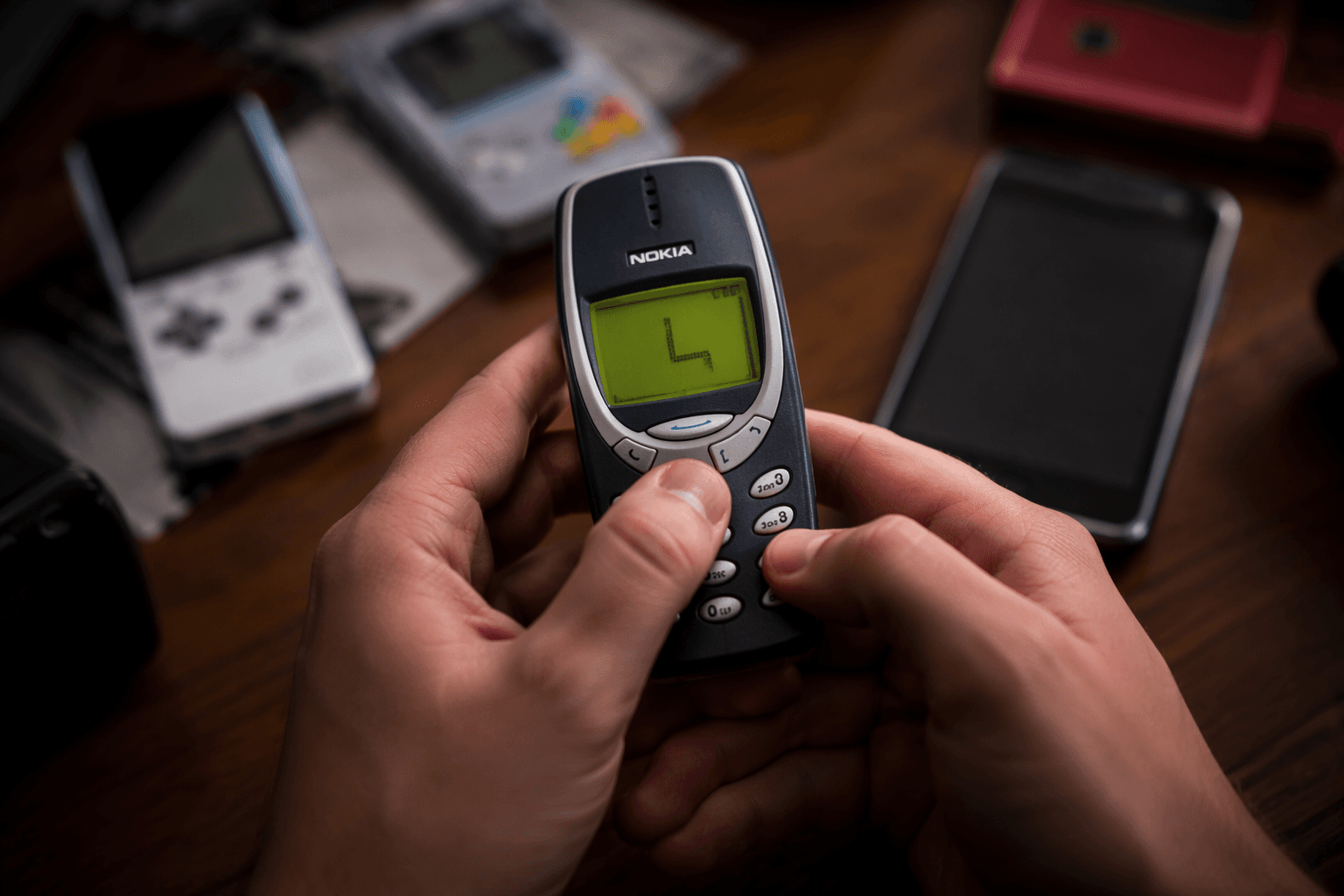
Snake’s design was perfectly matched to the hardware it lived on. It started instantly, used one-thumb controls, and rewarded short sessions with a loop that was easy to learn but surprisingly hard to master. That mix of simplicity and pressure fit the rhythms of mobile life exactly: waiting for a bus, sitting through a dull class break, or killing a few minutes before a call came in.
Why Snake was more than a novelty
Snake established the language of mobile play before the industry had the vocabulary to describe it. Instant access mattered because phones were always with you, and short sessions mattered because the device was built for interruption, not immersion.
The game also undercut a lasting old assumption: that mobile gaming was a watered-down version of console gaming. Snake was not trying to imitate a TV-bound experience. It was built around constraints that became strengths, and those same strengths still show up in modern mobile hits that prize quick onboarding, clean touch controls, and the ability to drop in for a minute without friction.
Java ME and carrier-era games widened the catalog
Once Snake proved that people would play on phones, the market began to widen. Java ME and downloadable carrier-era games moved mobile gaming from a single embedded title into a broader catalog. Phones were no longer just shipping with one memorable game; they were becoming platforms for a steady stream of smaller releases.
The App Store changed how mobile games were found and played
The App Store launched on July 10, 2008, and the effect was immediate. Apple said iPhone App Store downloads topped 10 million in the first weekend, a number that captures how quickly centralized distribution could scale once a phone combined better hardware, touchscreens, and accelerometers with a storefront built for browsing. Suddenly, players did not need to hunt through carrier menus or rely on what came preinstalled.
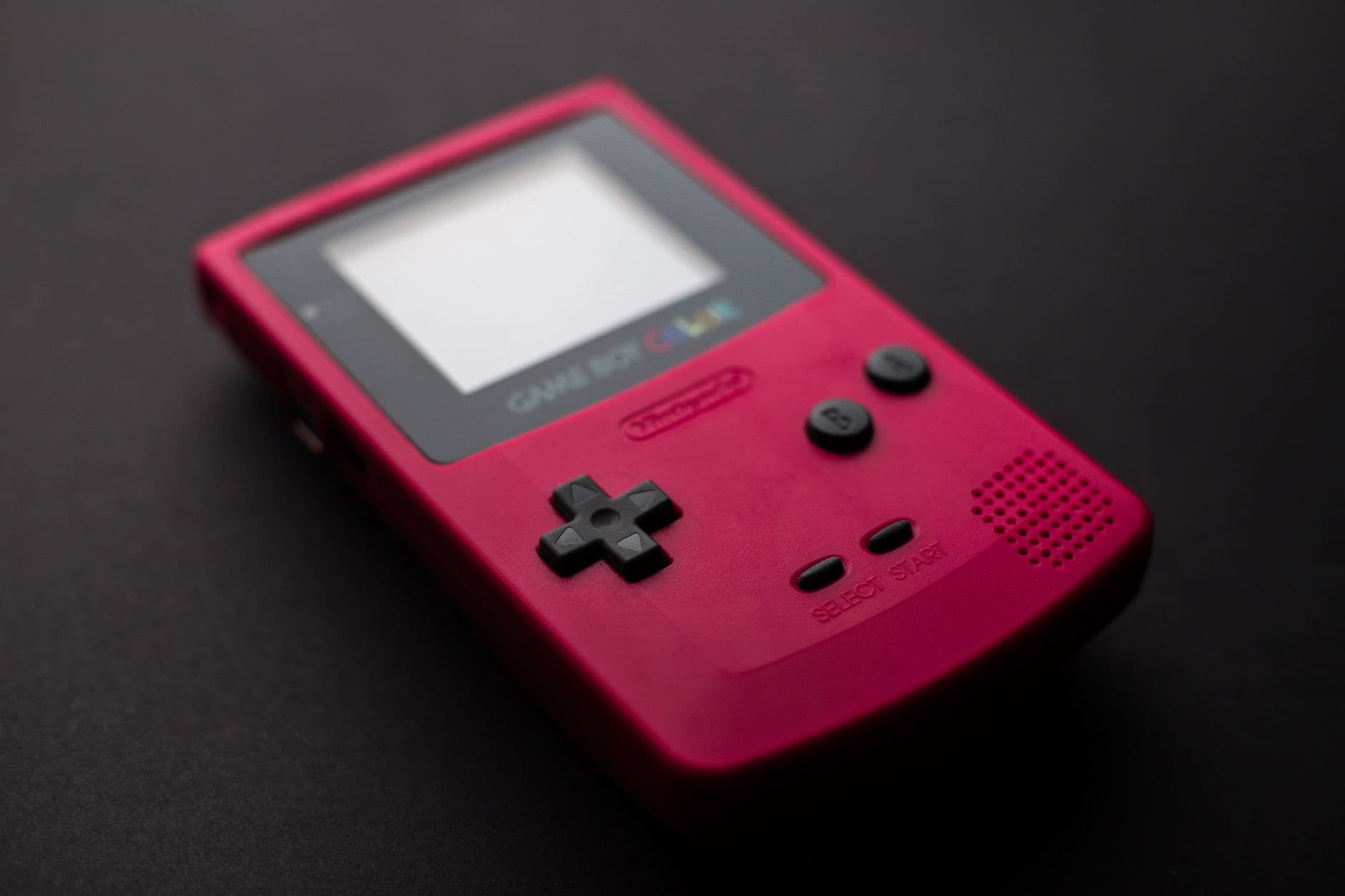
In marking the App Store’s first decade, Apple said it had opened doors for developers and created a worldwide app phenomenon. Discovery became simpler, new genres arrived faster, and the touchscreen became a design surface instead of a compromise. Games were no longer adapting awkwardly to a phone keypad; they were being built around taps, swipes, and gesture-driven play.
What mobile got right that console thinking missed
The biggest mistake people made about mobile gaming was assuming it would stay small because the hardware was small. In practice, the opposite happened. Free-to-play design, social sharing, location-based play, and a global device footprint let mobile reach far beyond the audience that already followed console or PC games.
Mobile became one of the largest categories in games because it was woven into daily life in a way dedicated hardware never was. The platform rewarded games that could spread quickly, fit different attention spans, and survive across a massive range of devices and player habits.
Today’s mobile culture still carries those early design lessons
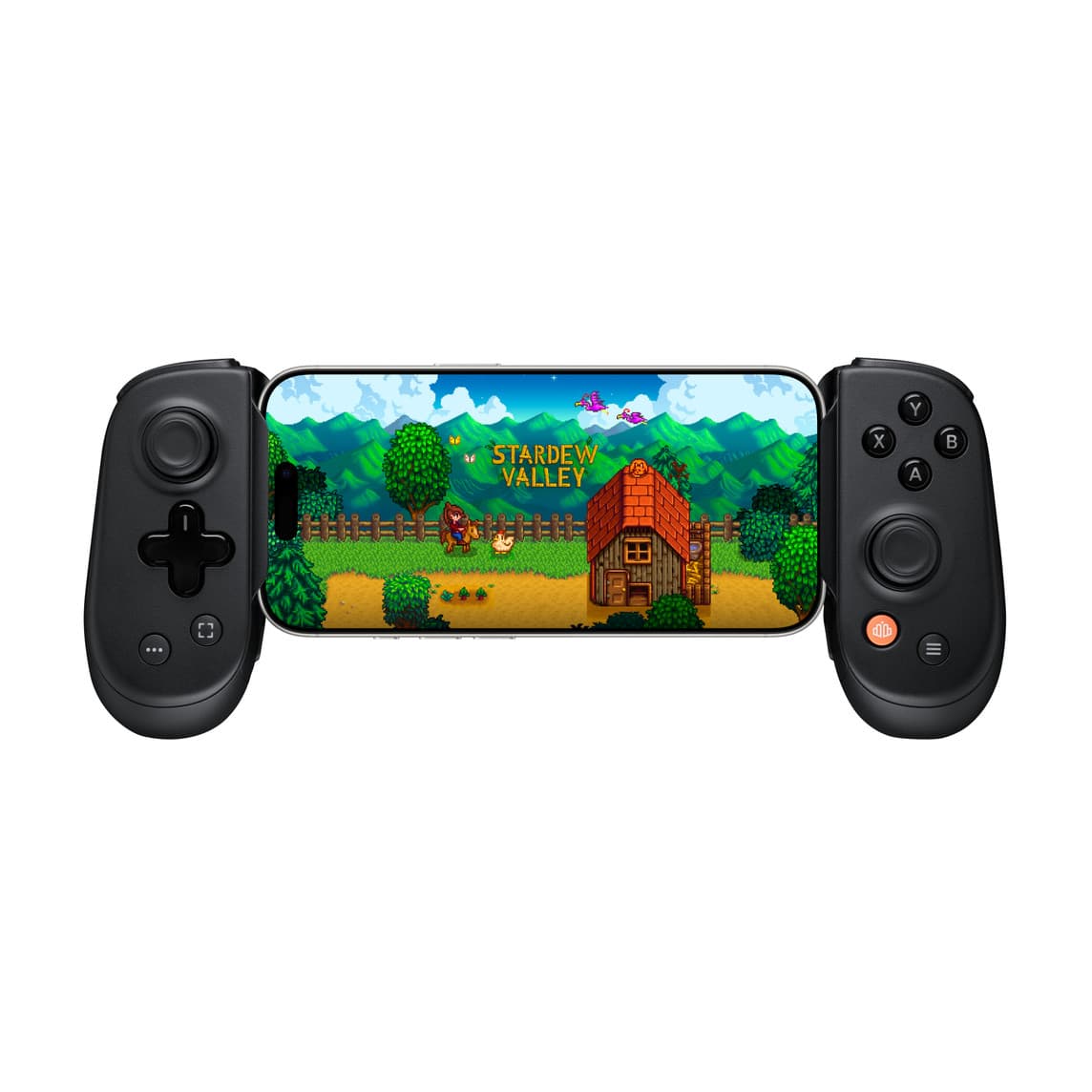
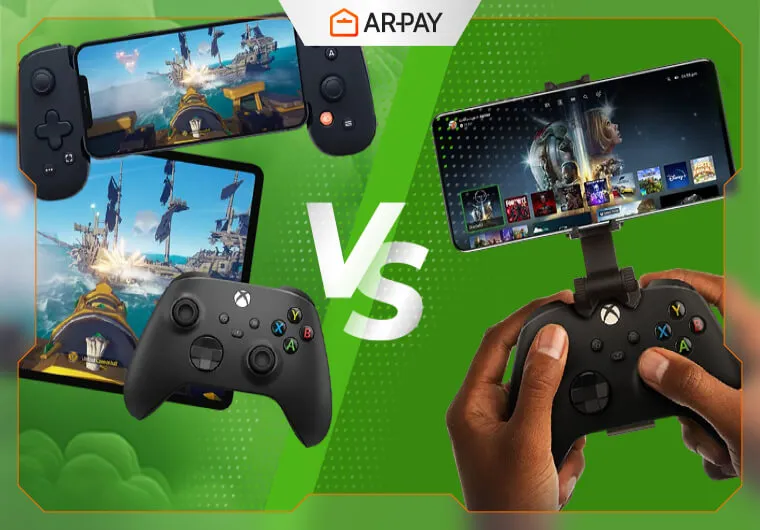
Modern mobile gaming stretches from puzzle hits to gacha RPGs to cloud-streamed AAA games, but the DNA is still easy to trace. The best mobile games still respect the same truths Snake established: get in fast, read cleanly on a small screen, and make the loop satisfying enough to survive tiny sessions. Even the biggest productions on mobile still have to answer the same old question that early phones posed: does this feel good in your hand?
This article was produced by Prism’s automated news system from verified source data, official records, and press releases, then run through automated quality and moderation checks before publishing. The system is built and supervised by the people who set the standards it runs under. Read our full AI policy.
Did this article answer your question?