Mobile Esports Explained: How to Watch, Compete, Monetize and Stay Healthy
Learn how to watch, join, earn from, and stay healthy in mobile esports, with practical gear, viewing, competition, and career tips.
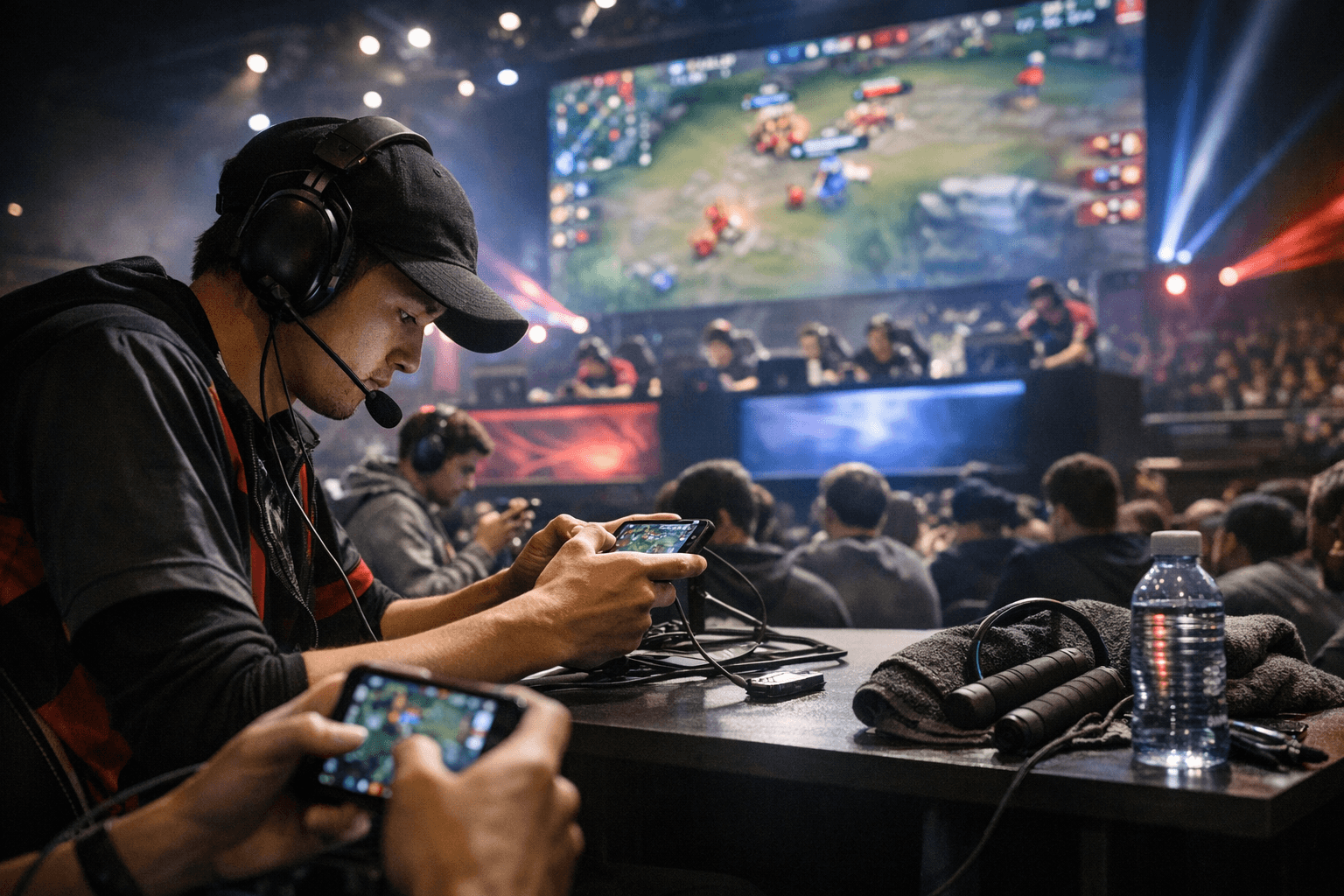
Mobile esports matter because they lower the barrier to entry and bring giant audiences to games like PUBG Mobile, Mobile Legends, Clash Royale, and Wild Rift. Expect a competitive ladder that runs local qualifiers → regional leagues → international finals, with formats from 5v5 and 1v1 to best‑of series and round‑robin play. Below I break down how to watch, how to compete, how to monetize your time, and how to protect your body and mind so you can keep grinding without burning out.
1. How to watch
Watch on official publisher channels and established broadcasters first: developers and publishers stream events on YouTube Gaming and Twitch, and regional TV partners sometimes carry major finals. These feeds usually have the cleanest production, official commentary, and in‑game overlays that explain meta and stats; tune to them for the baseline broadcast. For community flavor and niche angles, follow secondary coverage on esports sites and independent streamers, these casters often provide grassroots color, player interviews, and behind‑the-scenes chatter that big broadcasts miss. Use multi‑view tools (when available) to follow specific players or POVs, and set reminders on platform calendars to catch qualifiers and LAN finals live.
2. How to compete
Start with the basics: device setup, connection, and discipline. Put your phone into performance mode, close background apps, and test a wired or low‑latency Wi‑Fi setup; consider a USB‑Ethernet adapter for tournaments that allow it to eliminate jitter. Choose your input: touch controls are standard, but many competitive players use controllers where the title supports them; experiment to see which gives you consistent aim and movement. Build a routine: daily aim drills, VOD review to spot mistakes, and team communication scrims that reinforce shot‑calling and rotations; practice at tournament tempo so you don’t choke when it counts. Get involved beyond solo queue by joining local/regional community tournaments, following team social channels for tryouts, and learning caster/analyst workflows if you want a non‑player route into the scene.
3. How to monetize and build a career
Mobile esports has multiple revenue paths; pick the one that fits your skills and personality. Competitive players can earn prize money and salaries with pro teams, but incomes vary widely by title and region, top leagues pay well, while grassroots circuits often rely on prize pools and sponsorships. Complement tournament income with streaming, sponsored content, coaching, and paid match analysis; many players diversify so a single bad split doesn’t sink them. There are many roles beyond player paychecks, coaches, analysts, shoutcasters, event ops, and community managers, and learning production tools and social media can fast‑track you into stable work. • Roles to explore: player, coach, analyst, caster, event operations, community manager, content creator, and coach/streaming hybrid.
4. How to stay healthy and maintain longevity
Treat your hands, eyes, and ears like high‑value gear. Schedule frequent micro‑breaks (the 20‑20‑20 rule helps: every 20 minutes look 20 feet away for 20 seconds), and wedge in hand and wrist stretches before and after intense sessions to prevent RSI. Use ergonomic posture: phone at eye level on a stand, shoulders relaxed, and avoid cradling devices; a small lap desk or phone holder reduces neck strain during long practices. Protect hearing by keeping volumes below conversational loudness, use earbuds with volume limiters if available, and prefer earbuds with good isolation so you don’t crank the volume to compensate for background noise. Manage screen time and sleep: block intense practice in the hour before bed and track cumulative hours so you don’t drift into burnout. For tournaments, bring a phone cooler, spare charging cables, earbuds, and a controller if you rely on one.
- Pre‑tournament checklist: full charge, power bank, wired connection prep, updated firmware, and VOD notes on opponents.
- Training extras: keep a practice log with drills, objectives, and measurable goals; review at the end of each week.
- Community growth: engage on team Discords, local Facebook groups, and regional subreddits to find tryouts and grassroots events.
Practical tips and quick wins
Mobile esports are as community‑driven as they are competitive, accessibility is the scene’s superpower, and that’s how new pros, casters, and organizers keep surfacing. Play smart: prioritize reliable hardware and low latency, build repeatable practice habits, explore multiple income streams, and protect your body and ears so you stay in the game longer. Take one step this week, join a local cup, stream one match, or schedule a structured practice block, and you’ll be surprised how quickly doors open.
This article was produced by Prism’s automated news system from verified source data, official records, and press releases, then run through automated quality and moderation checks before publishing. The system is built and supervised by the people who set the standards it runs under. Read our full AI policy.
Did this article answer your question?


