Mobile Esports Explained: Structure, Top Titles, Watching and Competing
Learn how mobile esports are organized, which games matter, where to watch, and practical steps to compete or enjoy events as a fan.

1. What mobile esports is and why it matters
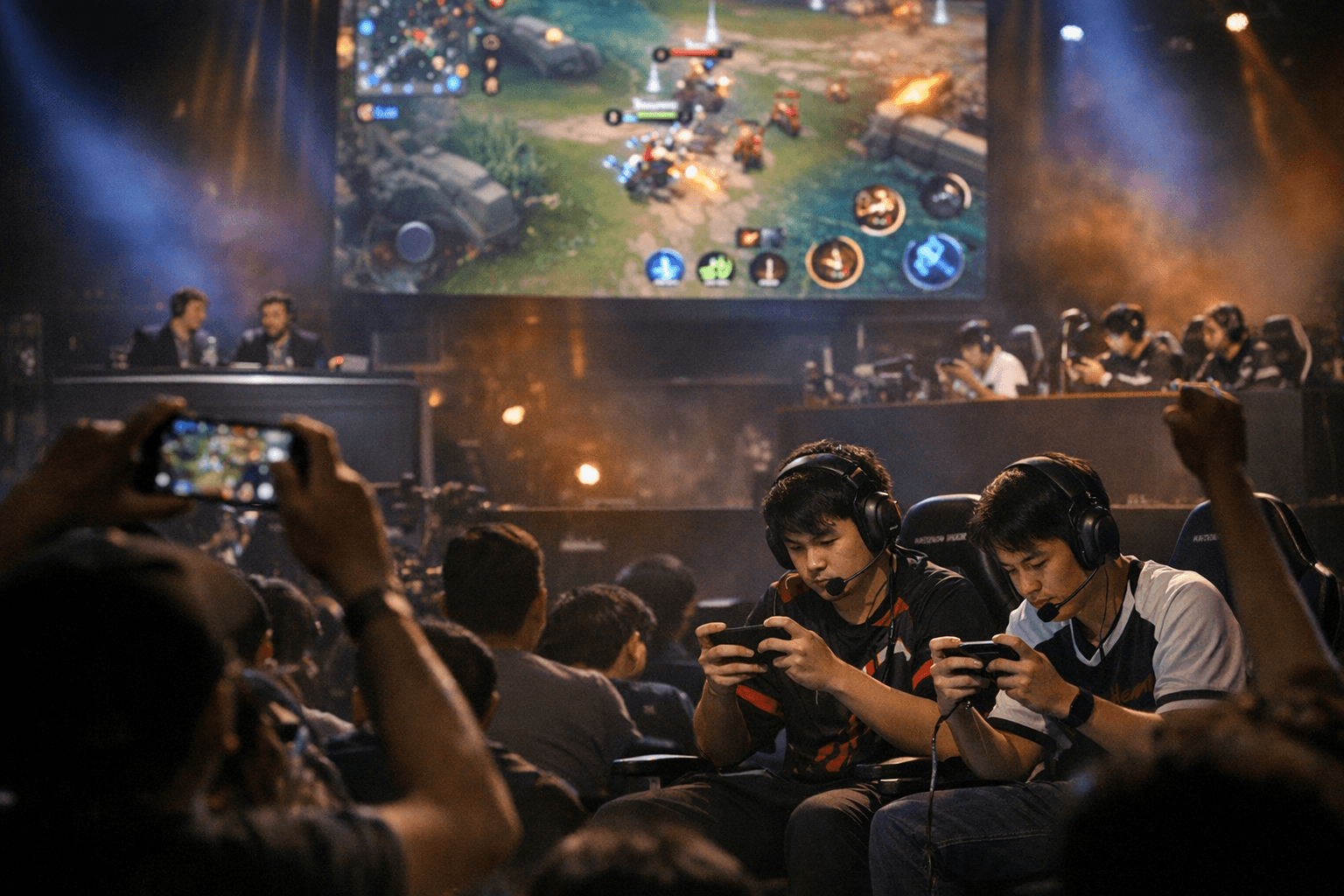
Mobile esports is organized, competitive play on smartphones and tablets that mirrors traditional esports structure but with mobile-first accessibility. It brings pro circuits, franchised leagues, and international championships to players who primarily play on handheld devices, lowering the barrier to entry and growing grassroots scenes in cities and regions worldwide. Community relevance is huge: mobile esports fuels local LAN nights, school teams, and sponsorship opportunities that directly support small clubs and content creators.
2. How competitive ecosystems are structured
Mobile esports ecosystems typically follow a layered pipeline: local leagues or open qualifiers feed into regional qualifiers, and the best teams advance to global finals or world championships. Local leagues provide regular competition and scouting, regional qualifiers act as high-stakes filtering events, and world championships are where brands, big prize pools, and peak viewership converge. Understanding this ladder helps players plan a season: start local, aim for regionals, and treat majors as both exposure and a chance to test meta strategies.
3. Prize pools, franchising, and business models
Prize pools in mobile esports vary by title and organizer; they can come from publisher funding, sponsorships, and franchising fees that stabilize leagues by selling permanent team slots. Franchised systems give teams guaranteed participation and revenue-sharing but often raise the entry cost; non-franchised routes keep the open ladder vibe and allow underdogs to break through via qualifiers. For community members this affects career paths, franchising brings steadier pro salaries while open ecosystems keep local organizers and amateur clubs relevant.
4. Top mobile esports titles to watch
Pay attention to a handful of perennial mobile competitive games, each has its own meta, audience, and route to pro play. Mobile Legends: Bang Bang (MLBB) is known for fast-paced 5v5 MOBA action, regional rivalries, and strong Southeast Asian followings. PUBG Mobile and Peacekeeper Elite deliver tactical battle-royale tournaments with squad coordination, emergent strategies, and large global events. Free Fire offers short-match battle-royale formats that scale well in regions with lower-end hardware, keeping grassroots access high. Pokémon UNITE brings a console-like MOBA on mobile with franchise fans and cross-audience interest. Watching these titles gives a cross-section of meta, casting styles, and production-level variety.
5. Where to watch live and set up your viewing
Official channels are the best starting points: publishers and tournament organizers stream on YouTube and Twitch and maintain event pages with schedules and VODs. Subscribe to official channels, follow tournament pages for brackets, and use platform reminders to catch group stages and finals, play-by-play channels often host separate POV or reaction streams you’ll want to follow. Practical tip: enable notifications for both the official stream and top casters so you don’t miss sudden deciders or surprise upsets.
6. How to follow match results and stats
Match results and deeper stats live on tournament websites, in-game news hubs, and esports aggregator platforms that track standings, player stats, and head-to-head histories. Use these resources to study meta shifts, player form, and pick/ban trends, regularly checking post-match breakdowns helps you learn build paths and strategy. For community relevance, share stats in team Discords or local clubs to fuel scrim prep and recruiting conversations.
- Join local Discord hubs or Facebook groups for pickup games and lineup opportunities.
- Sign up for community-run cups or amateur leagues to build a match CV.
- Record and review your gameplay to speed up improvement.
7. How to get involved as a competitor
Start by grinding ranked modes to learn matchups and climbing the ladder, then join community ladders and local tournaments to get live experience and match pressure. Enter open qualifiers for online cups, attend LAN events when possible for networking, and treat scrims seriously: review demos, communicate with coaches or teammates, and focus on roles where you can carry. Practical steps:
- Prioritize stable Wi‑Fi over mobile data for predictable ping.
- Use airplane mode with Wi‑Fi on to limit background noise, and enable performance modes in-device settings for consistent FPS.
8. Hardware and connection recommendations
Competitive mobile play rewards low latency, consistent frame rates, and reliable controls, start with a stable 5 GHz Wi‑Fi connection or a wired hotspot when available to reduce packet loss and jitter. Opt for a low-latency device with high touch-sampling rate and at least mid-range SoC performance; consider device cooling, battery packs for long events, and a wired USB-C controller if your title supports it. Practical setup tips:
9. Audience-side tips and social-media etiquette
Follow dedicated event hubs and official social accounts for bracket updates, highlight clips, and schedule changes; set calendar reminders for high-profile matches and subscribe to caster channels for play-by-play coverage. In live chats, keep it constructive, vote with emojis, avoid spoilers for viewers joining late, and respect players and talent during breaks; good chat etiquette keeps communities healthy and increases the chance organizers amplify your clips or posts. As a fan, your engagement can lift smaller talent and local teams into broader view.
Closing paragraph: Mobile esports is as much community-driven as it is pro-driven, learn the structure, pick a title you genuinely enjoy, tune into official streams, and get your hands dirty in local ladders; whether you’re seeking to spectate like a scout or grind toward a regional qualifier, steady practice, stable kit, and active community ties are the most reliable path to progress.
This article was produced by Prism’s automated news system from verified source data, official records, and press releases, then run through automated quality and moderation checks before publishing. The system is built and supervised by the people who set the standards it runs under. Read our full AI policy.
Did this article answer your question?


