Sensor Tower: Monetisation-First Shift Sees Non-Game Apps Outspend Games
Sensor Tower finds non-game apps outspent games on in-app purchases in 2025, marking a monetisation-first shift that changes how developers chase revenue and users.

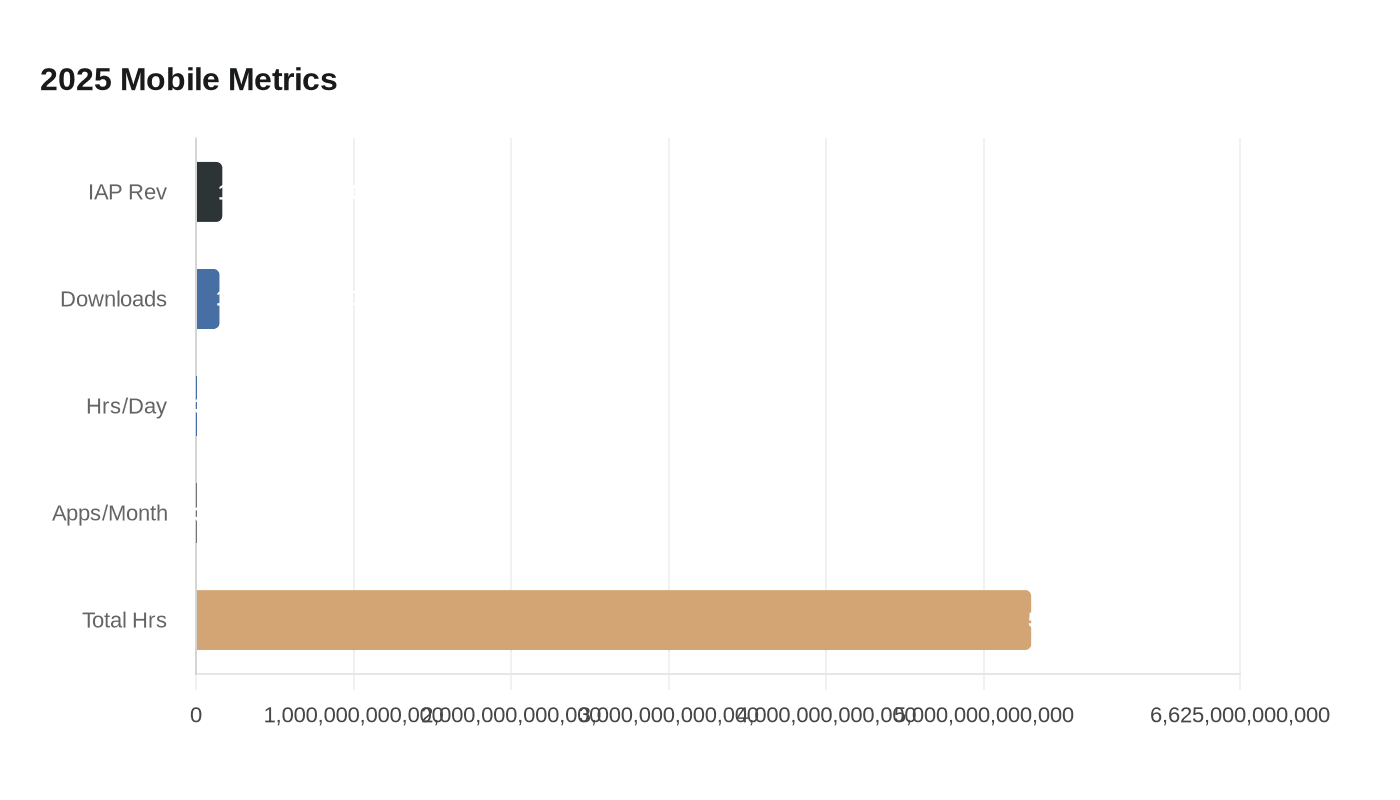
Non-game apps overtook games as the largest spenders on in-app purchases in 2025, a dramatic turn that shifts the industry's focus from sheer install volume to monetisation strategies and high-value users. Sensor Tower's State of Mobile 2026 report shows global mobile IAP revenue hit $167 billion in 2025 while total downloads reached 149 billion, and these headline numbers frame a market moving toward revenue sophistication over raw scale.
Consumers spent an average 3.6 hours per day in mobile apps and engaged with 34 apps per month in 2025, pushing total time across mobile apps to 5.3 trillion hours. Those engagement figures underscore why publishers are chasing depth of use and lifetime value rather than broad but shallow install campaigns. Sensor Tower calls this the monetisation-first era, where leading apps prioritise higher-value users and diversified revenue strategies - subscriptions, ads, and premium features - rather than maximizing installs at any cost.
The biggest driver behind non-game spending was the rise of generative AI assistants, alongside strong contributions from social and video streaming and productivity apps. Generative AI apps were a major growth engine in 2025, changing the mix of paid features and subscriptions across app stores. For mobile game makers, that means competing not just with other titles but with category-defining services that lock users into monthly billing and integrated ecosystems.
Local market factors remain decisive. Regulation, tariffs, and regional user behaviour continue to shape performance in each market, so global strategies must be tailored locally. A one-size-fits-all UA plan will struggle where rules on data, payments, or content differ. Developers and publishers will need to stitch together pricing, payment methods, and feature sets that match local expectations to protect conversion and retention metrics.
For developers and UA managers, the practical takeaway is clear: optimise for LTV, not installs. Rethink creative briefs, audience segmentation, and post-install funnels to prioritise retention and monetisation mechanics. Invest in live-ops, subscription hooks, and cross-category partnership opportunities that can tap into the non-game monetisation surge.
For players, expect more emphasis on subscriptions, premium tiers, and AI-enhanced features across apps and games, and a sharper divide between free-to-play funnels and paywalled experiences. The game economy is no longer competing only with itself; it is competing with big-ticket services that are redefining what mobile users are willing to pay for.
This shift won't settle overnight, but the trend is clear: monetisation-first strategies and generative AI are reshaping mobile economics, and developers who prioritise durable revenue per user will be best placed to thrive.
This article was produced by Prism’s automated news system from verified source data, official records, and press releases, then run through automated quality and moderation checks before publishing. The system is built and supervised by the people who set the standards it runs under. Read our full AI policy.
Did this article answer your question?