Supercell reshapes strategy to balance live games and new hits
Supercell admitted its newest game launches missed the mark, then split live games from new IP work and doubled down on the franchises that already reach 290 million players.
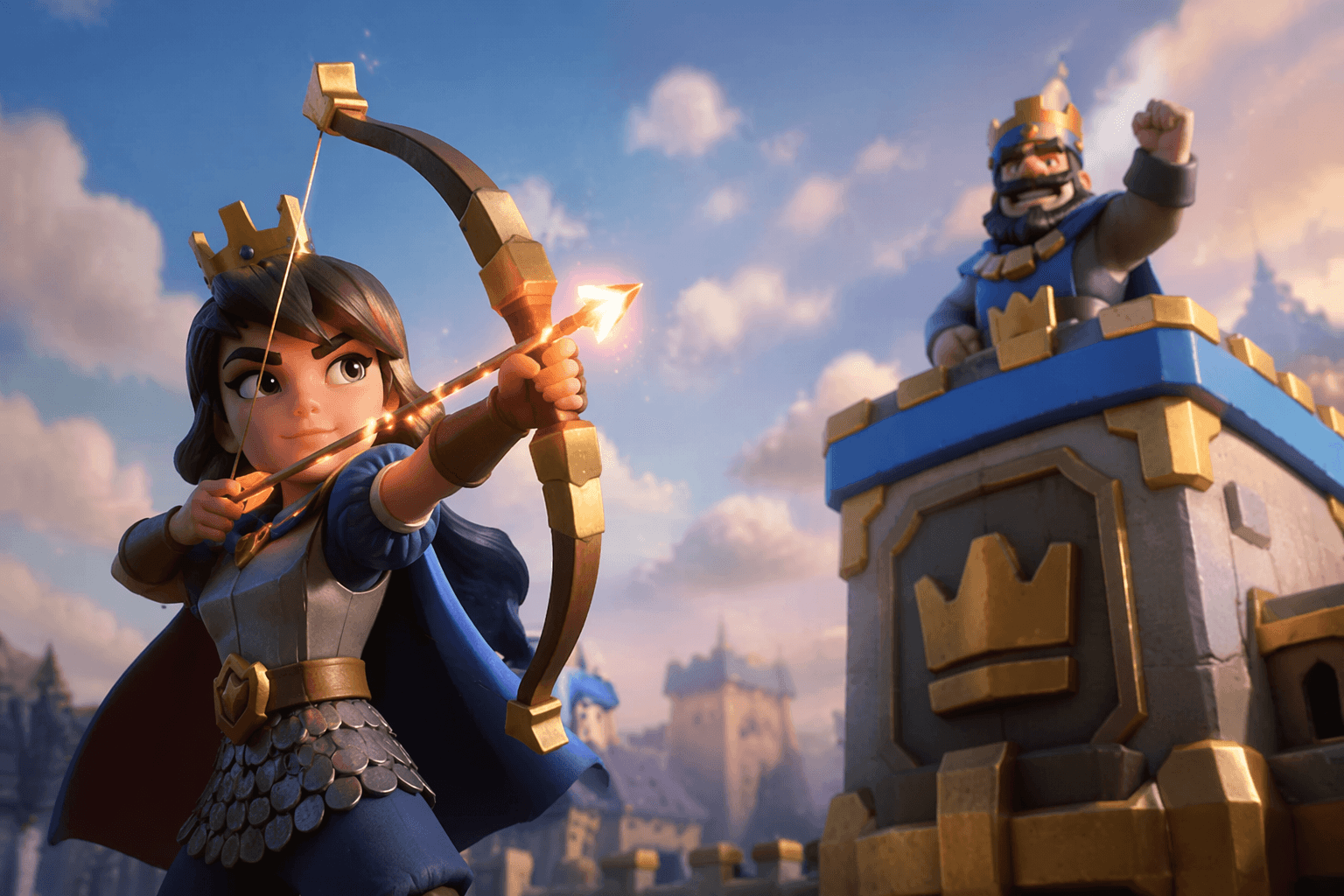
For Clash Royale and Brawl Stars players, the real question is simple: will Supercell’s reset mean better live support and fewer misfires, or just a slower, more cautious hunt for the next hit?
Supercell president Sara Bach said on April 13, 2026 that the company’s recent new-game launches had not met expectations. She said Supercell had made two mistakes along the way, scaling teams too early and validating ideas too slowly. That is the kind of self-correction mobile players usually only see after a bad rollout, a stale meta, or a game that never quite finds its footing.
The company’s answer was a 2025 restructuring that put Game Tech, Business Operations, Marketing and Community, and People under a single Live Games unit led by Bach. New-game work was split out through the Spark program, AI Innovation Labs, and Supercell Investments. Ilkka Paananen called it the “next evolution of Supercell,” and the phrase fits the business reality: Supercell has become too large, and its games too global, to keep treating live support and new IP like the same problem.
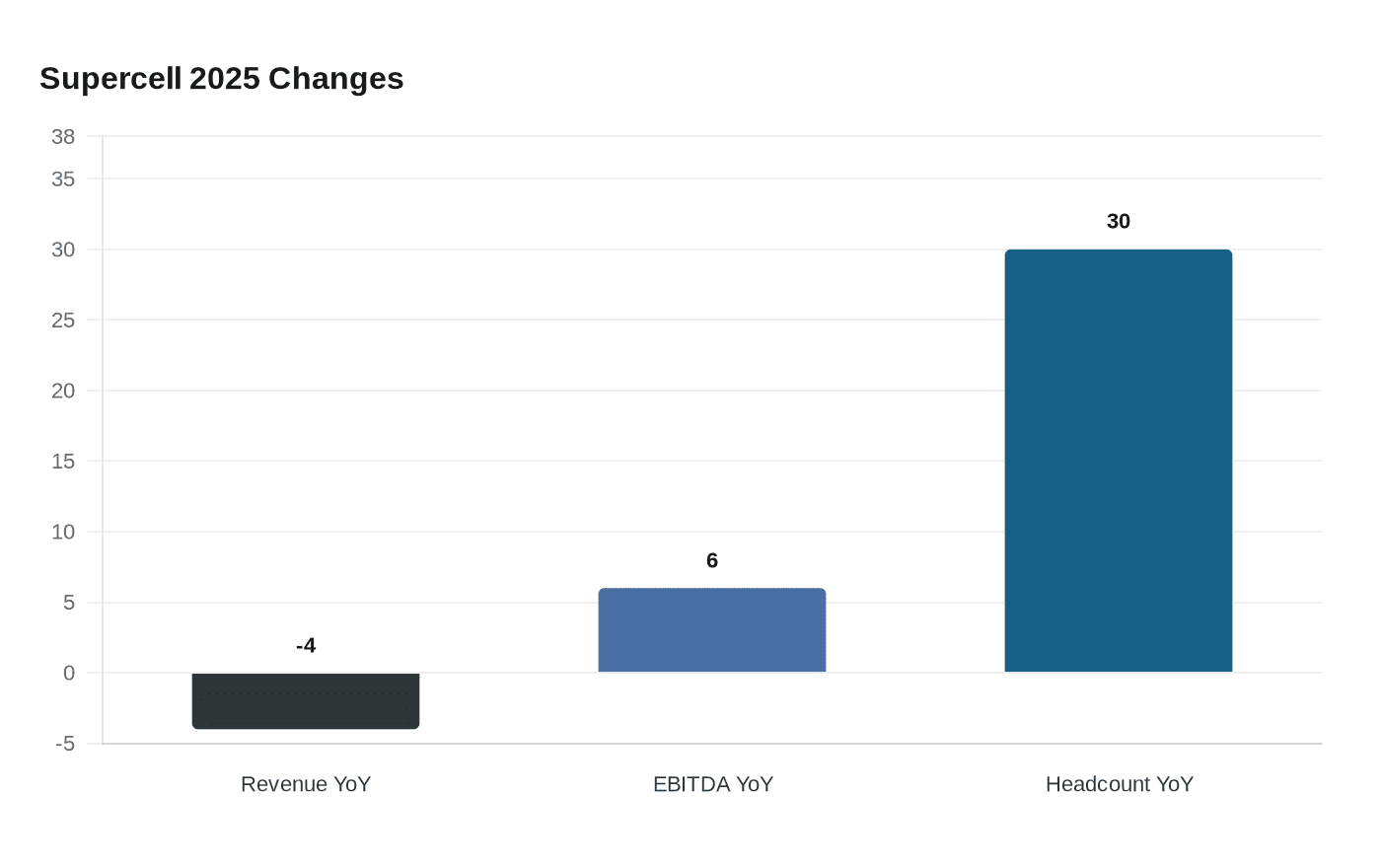
That matters because the company’s strongest franchises still do the heavy lifting. Supercell said its 2025 revenue was €2.65 billion, down 4% year over year, while EBITDA rose 6% to €932 million. Its games reached about 290 million monthly active players, and headcount grew 30% to 890 employees globally. Supercell also said it doubled investment in new games in 2025 and planned to do so again in 2026. In practice, that looks like a company willing to spend harder for the next breakout while protecting the money-makers it already has.
The live-games focus also reflects what players have been seeing in real time. Bach said player demand had outpaced Supercell’s ability to deliver for a long time, and the live teams have since accelerated content, events, and live operations to improve engagement and revenue. That is the part that should matter most to anyone still logging into Clash Royale or Brawl Stars: not the organizational chart, but whether updates arrive faster, seasons feel fresher, and the game stops going stale between big beats. Clash Royale remains a clear success story, while Brawl Stars has been more uneven, which is exactly why this strategy shift feels necessary rather than cosmetic.
The wider market is moving too. Reforged Studios secured $30 million in growth investment on April 17, 2026 after buying German publisher-developer Headup, while the UK Government pledged £28.5 million for the UK Games Fund as part of a £30 million Games Growth Package. Supercell’s challenge is different, though. It is already profitable. The real test is whether this new split between live games and new IP produces the next durable global hit without dulling the momentum of the games millions already play every day.
This article was produced by Prism’s automated news system from verified source data, official records, and press releases, then run through automated quality and moderation checks before publishing. The system is built and supervised by the people who set the standards it runs under. Read our full AI policy.
Know something we missed? Have a correction or additional information?
Submit a Tip