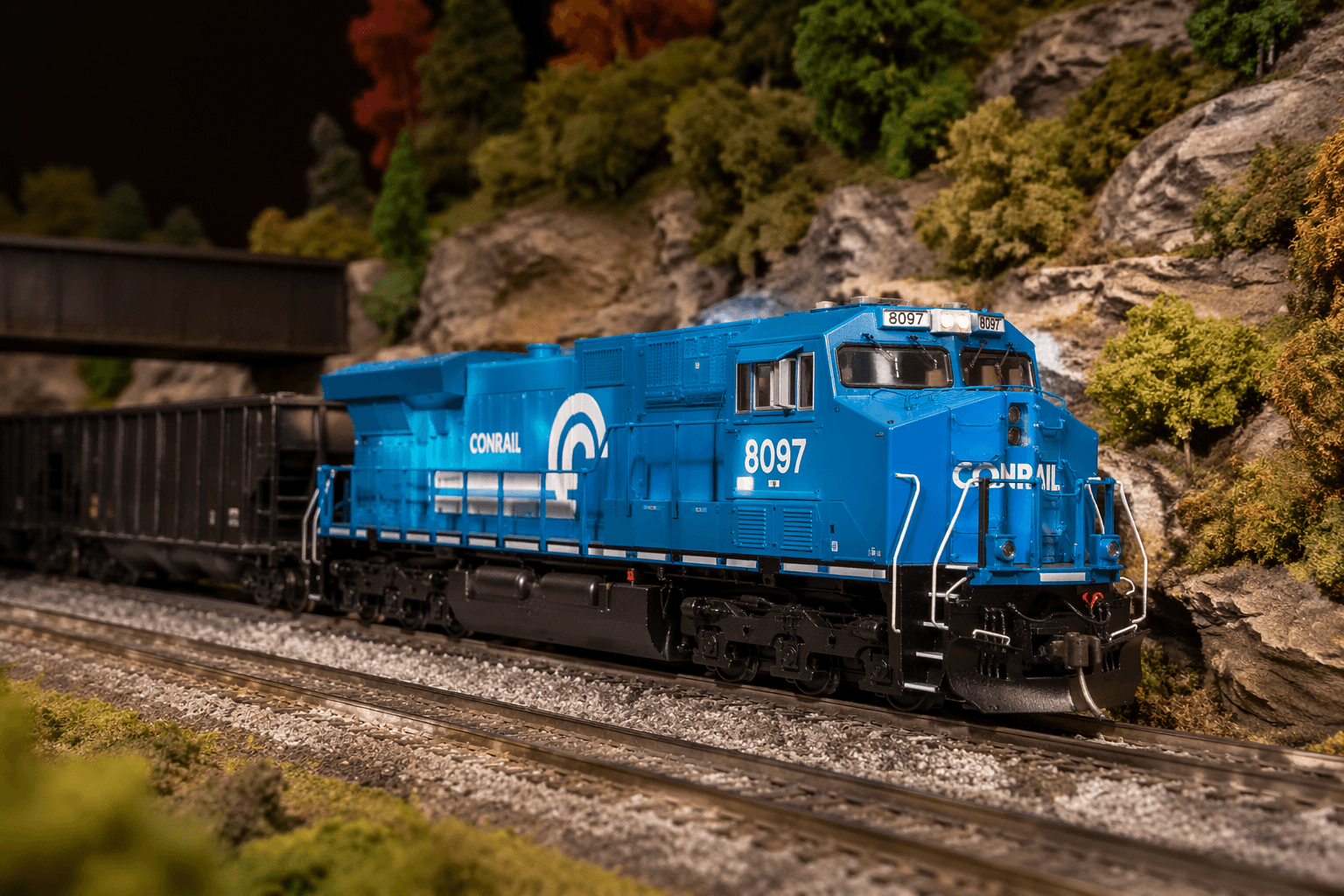
Athearn Conrail Genesis GP38-2 brings detail-rich HO diesel power
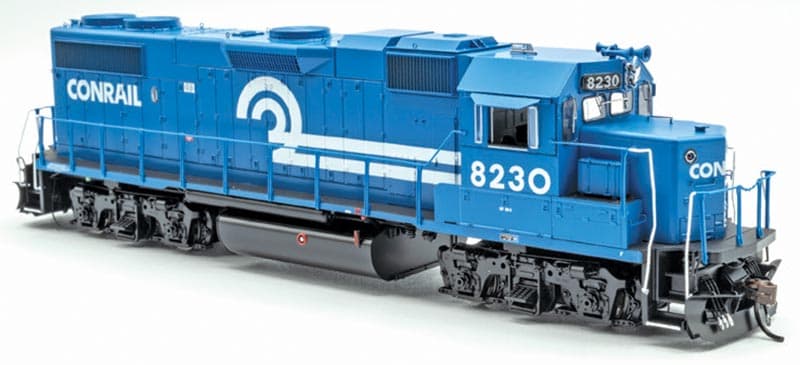
Athearn’s Conrail GP38-2 turns a common freight workhorse into a serious Genesis showcase, with Tsunami2 sound, LED lighting, and Conrail-era road-specific appeal.
The workhorse test for a Conrail diesel
The GP38-2 is not the kind of locomotive that wins attention by being rare. It matters because it was everywhere, and that makes execution count more than novelty ever could. Electro-Motive Division built 2,264 GP38-2s from January 1972 through July 1986, and that long production run is exactly why the type became such a familiar freight standby across North America.
For model railroading, that is the real appeal. A GP38-2 has to look right in the small details, from lighting to lettering to the way a road name changes the whole feel of the engine. On a layout, one good example can anchor an era; a weak one just blends into the noise.
Why Conrail is such a strong match
Conrail gives the GP38-2 a particularly useful modeling story. The railroad inherited 223 GP38-2s from Penn Central, then bought 115 brand-new units between 1977 and 1979, with those purchases numbered in the CR 7940 to 8281 block. One roster source places the class in service from April 1976 through May 31, 1999, before most remaining units moved to Norfolk Southern or CSX on June 1, 1999.
That timeline makes the locomotive flexible without making it generic. You can place a Conrail GP38-2 into a 1970s freight consist, a 1980s road scene, or a late Conrail roster with confidence that the prototype really lived there. The road’s broad span, paired with the large GP38-2 population, makes it one of the most practical diesel subjects in the hobby.
Athearn’s own history helps explain the release
Athearn’s handling of this model lands with more weight because the company’s own history mirrors the hobby’s development. Athearn traces its roots to Irv Athearn’s 1943 model-railroad business, and says he became a full-time retailer of model railroading supplies in 1946. That 1946 milestone is the anchor for Athearn’s 80th anniversary in 2026.
The company also uses that anniversary year as an active theme, with its 2026 new-announcements page labeling some products as special models celebrating Athearn’s 80th anniversary. That matters because the Conrail Genesis GP38-2 is not arriving as an isolated release. It is part of a broader push that ties the brand’s past to its present lineup.
Athearn’s older blue-box era built its reputation on reliable, easy-to-run models. Genesis pushed the line into a more detail-rich standard that serious modelers now expect. That progression is the key comparison here: the blue-box lineage gave modelers dependable basics, while Genesis is built to satisfy operators who want more refined tooling, sharper presentation, and road-specific fidelity.
What the current Genesis version adds
Athearn introduced the GP38-2 into the Genesis line in 2016 with updated tooling, and the current Conrail release keeps that detail-first approach front and center. Model Railroad News says this version includes a SoundTraxx Tsunami2 sound decoder, LED headlights, and working LED marker lights.
Those features do more than add flash. The decoder gives the model the kind of sound-equipped operation many layouts now expect, while the LED headlight and marker-light treatment strengthens the impression that this is a ready-to-run locomotive designed for real operating sessions, not just display. In a crowded HO diesel field, that combination is what separates a good-looking release from a locomotive you actually want to put into service.
The Genesis name also raises the bar by default. Athearn has positioned the line as its higher-detail HO scale diesel platform, so a Conrail GP38-2 has to justify itself not only against the prototype, but against the company’s own recent work. In that sense, the release is less about reinventing the GP38-2 than about proving that a common freight engine can still feel premium when the details are executed well.
How to judge it as a buyer
If you are weighing this model against other Conrail power or against earlier Athearn generations, the decision comes down to a few practical points:
- The prototype fit is strong. Conrail really did roster the GP38-2 in large numbers, both inherited and newly purchased.
- The era coverage is broad. The class spans Conrail’s early years through the end of the railroad.
- The model is operator-friendly. SoundTraxx Tsunami2 sound and LED lighting make it ready for layout use.
- The Genesis tooling matters. Athearn’s 2016 update gives the model a more modern foundation than older releases.
- The road-specific appeal is real. Conrail’s presence on the prototype side gives the model a clear identity, not just a generic freight-diesel look.
That makes this release especially attractive if your layout leans toward freight service, transition-era realism, or roster building around recognizable Conrail power. It also fits the collector who wants another number-specific Genesis diesel without drifting away from everyday railroad logic.
A common engine done the right way
The best thing about Athearn’s Conrail Genesis GP38-2 is that it understands the job this locomotive had on the prototype. It was never supposed to be exotic. It was supposed to work, and it did, in huge numbers, across decades of freight service.
That is why this release matters. A common GP38-2 only becomes memorable when the model gets the execution right, and Athearn has paired Conrail’s workhorse history with Genesis-level detail, modern sound, and lighting that makes the locomotive feel alive on the track.
This article was produced by Prism’s automated news system from verified source data, official records, and press releases, then run through automated quality and moderation checks before publishing. The system is built and supervised by the people who set the standards it runs under. Read our full AI policy.
Did this article answer your question?