Bushnell Station Museum Brings Model Railroad History to Life for Florida Families
Bushnell Station's Gulf Coast & Central Florida Railroad Museum runs 30+ trains across every scale from Z to G, with a half-mile ride and volunteer docents turning Sumter County into a hands-on model railroad destination.
Tucked into Sumter County at 6470 County Road 476 West, the Gulf Coast and Central Florida Railroad Museum operates under the Bushnell Station name and does something genuinely rare: it runs more than 30 model trains simultaneously across every scale the hobby has produced, from the fingernail-sized Z scale to the garden-dominating G scale. For a region better known for retirement communities and citrus groves, that's a legitimate draw, and the museum has quietly become one of central Florida's most specific and committed family attractions.
A Museum Built Around Motion, Not Just Display
Most railroad museums put the locomotives behind glass. Bushnell Station runs them. The museum features over 30 model trains operating in all scales, plus a half-mile train ride. That operational philosophy is built into the institution's founding mission: to provide enthusiasts of all ages with the educational and entertainment excitement of model railroading through indoor and outdoor interactive displays and exhibits.
The rest of the building features operating layouts in all popular U.S. model railroading scales and gauges from "Z" to "G," inclusive. In addition, there are static displays of model trains in all those scales, plus railroad memorabilia, photographs, and artwork hanging on the walls. That range matters if you're trying to explain the hobby to a first-timer: seeing a Z scale locomotive next to an operating G scale train in the same room collapses what can feel like an abstract conversation into something immediate and tangible.
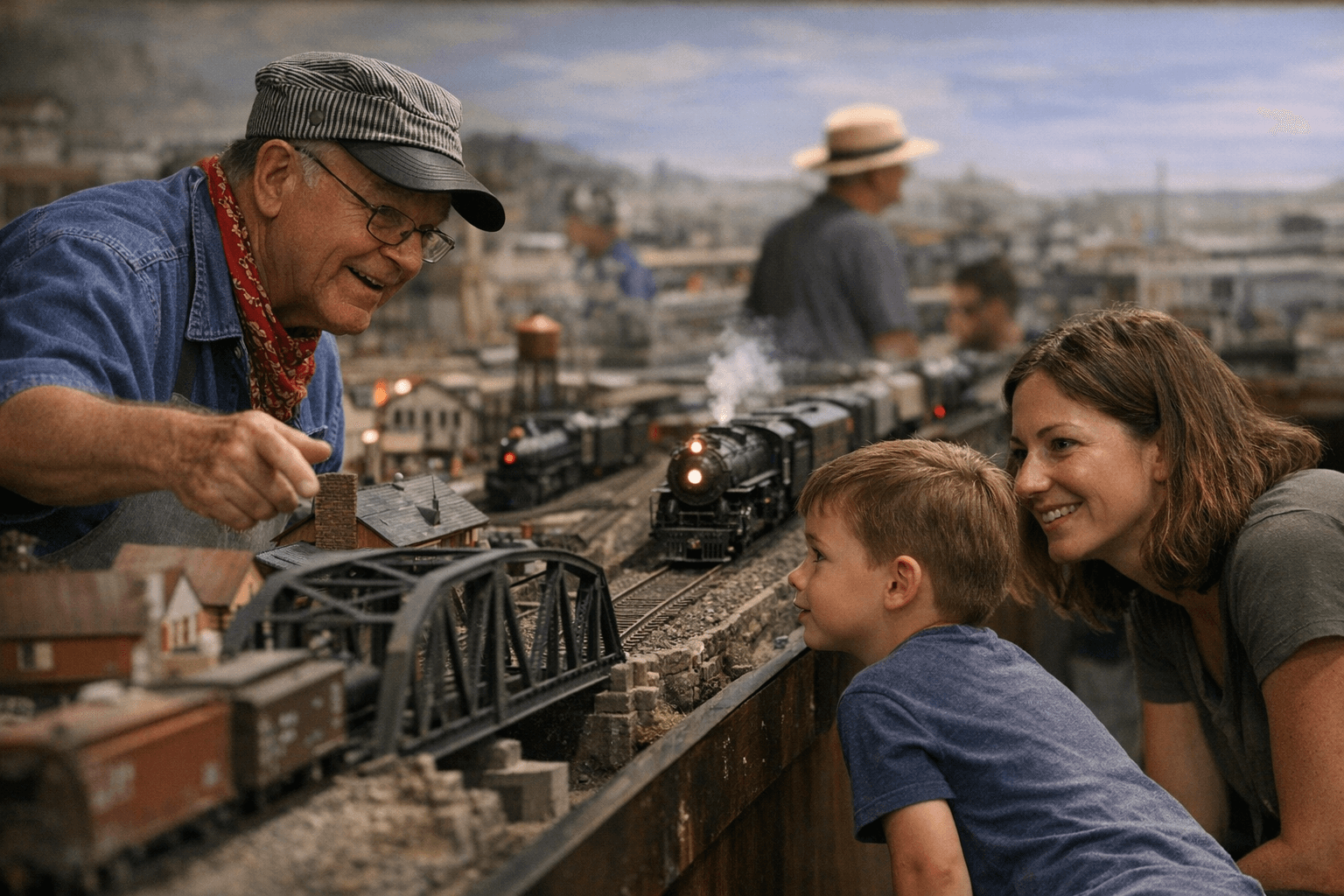
Volunteers on the floor don't just keep the trains running; they walk visitors through the mechanics, describing signaling systems, trackwork, and the historical context behind the prototypes being modeled. That interpretive layer is what separates the museum from a simple display, and it's what volunteers describe as the institution's ability to "bring multiple model railroad scales to life" and to "teach visitors about railroad history while showing how the hobby blends craft, engineering, and storytelling."
The Half-Mile Train Ride
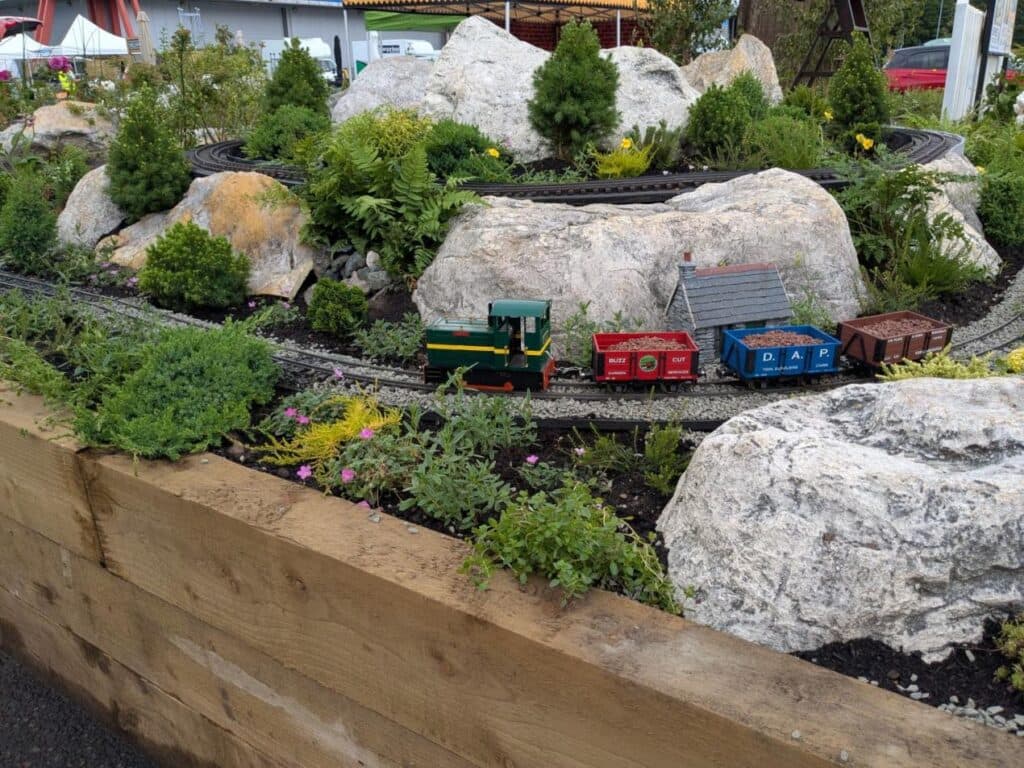
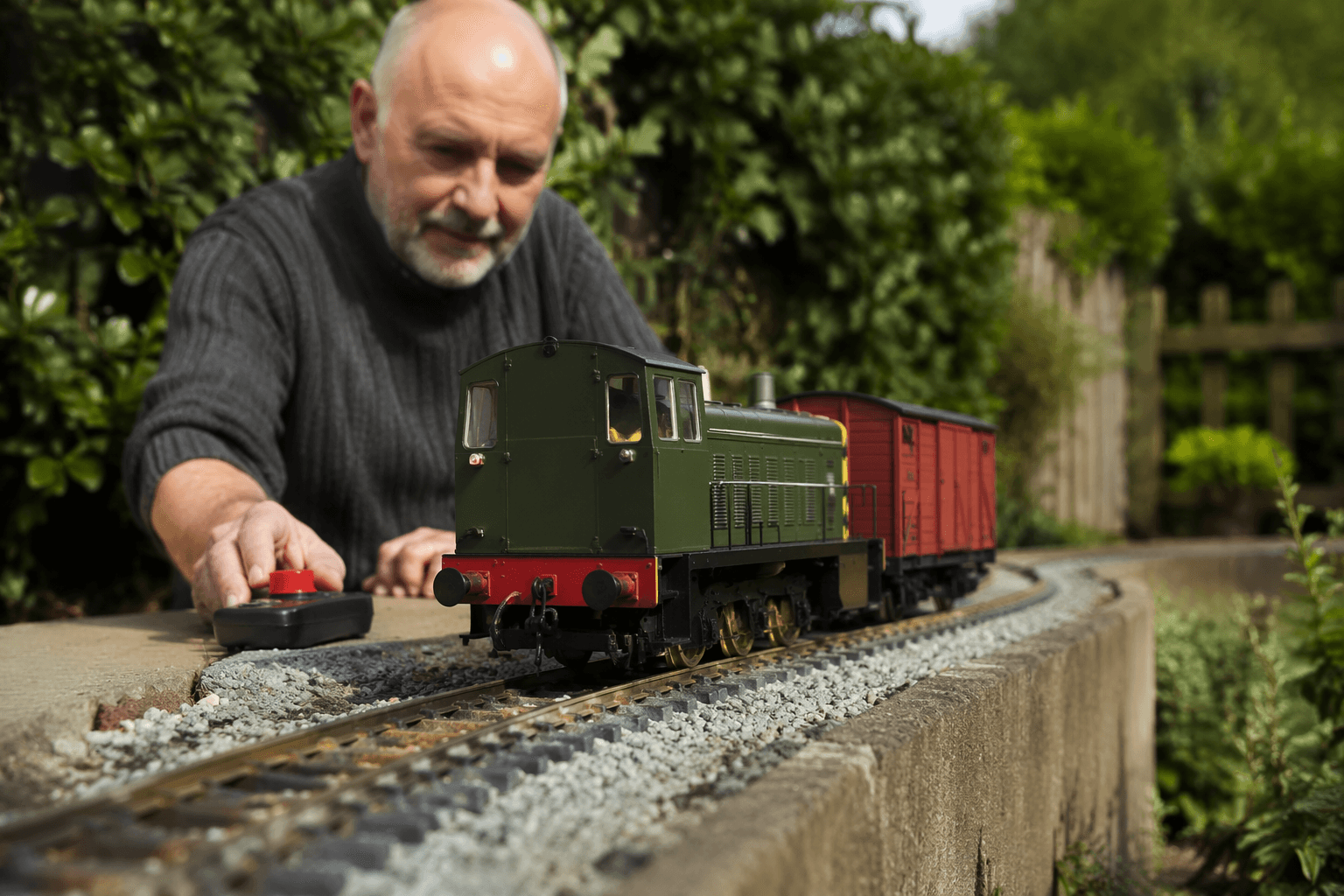
The outdoor experience is its own draw. The train ride is included in museum general admission except during special holiday events. Children and students under the age of 10 must be accompanied by an adult on the train ride. The museum is a 501(c)(3) non-profit corporation which offers a train ride on a 1/8 scale model train, and has over 20 model trains running at the same time on outdoor tracks.
A half-mile of track is enough to give young riders a real sense of movement, the feel of a curve, the rhythm of the rails, and that's not nothing when you're seven years old and trying to understand why the adults in your life spend weekends wiring DCC decoders. The ride functions as the museum's most effective recruitment tool, and it's hard to argue with the logic: let a kid experience the ride first, and the interest in how those trains are built tends to follow.
What's Inside: Scale by Scale
The museum occupies part of the station building and has 20 model trains running inside and outside, including interactive exhibits, and boasts hundreds of trains from all over the world. The collection spans large and small display formats, with a large model train display, a small train display, and interactive exhibits to keep visitors entertained.
For hobbyists making the trip, the scale range is the headline. Seeing an operating Z scale layout alongside HO, N, O, S, and G equipment in one building is genuinely uncommon outside of major metro train shows. The museum's approach of running layouts rather than simply staging static collections means that on any given Saturday, you're watching locomotives actually negotiate curves, grades, and switching moves, which gives you something to study and something to talk about with the volunteers who built and maintain the layouts.
The replica towns and working scenes that populate the layouts capture regional and local railroading history, grounding the miniature world in something specific rather than generic. That specificity is what makes the dioramas useful as educational material: a scene depicting Florida's railroad past connects the hobby to place in a way that a generic mountain layout does not.
Planning Your Visit
The museum is open Saturdays from 10:00 am to 4:00 pm. The museum's website carries a calendar tab with specific operating dates, which is worth checking before making the drive, particularly around holidays when hours or programming may shift. The address is 6470 County Road 476 West, Bushnell, Florida 33513, and the phone number is 352.901.0829.
Weekend visits are the best window for volunteer-led demonstrations. That's when docents are on the floor explaining how the layouts were built, answering questions about specific locomotives, and walking families through the interpretive material. If you have kids under 10, note the adult accompaniment requirement for the train ride, which is a practical safety rule rather than a barrier.
The museum has also hosted TCA Southern Division swap meets on its grounds, with TCA members having trains for sale to the public and the swap meet located in a large grassy area on the property. Checking the calendar for those events is worthwhile if you're also looking to buy, sell, or trade rolling stock.
Why This Model Matters for the Hobby
Club organizers and layout builders often debate the best way to recruit new members. Bushnell Station offers a data point worth examining: since the museum's exhibit expanded, it has reported steady visitation and growing community interest, driven not by advertising but by the combination of hands-on access, knowledgeable volunteers, and the half-mile train ride that functions as the perfect first impression.
The museum's 501(c)(3) structure means donations are tax-deductible, and for anyone in the hobby who wants to support the kind of outreach that actually puts new people in front of operating trains, that's a meaningful detail. Volunteer docents, kid-friendly activities, and accessible entry points are not soft amenities; they're the mechanism by which the hobby sustains itself across generations. Bushnell Station has built that mechanism into its operating model from the ground up, and it shows.
This article was produced by Prism’s automated news system from verified source data, official records, and press releases, then run through automated quality and moderation checks before publishing. The system is built and supervised by the people who set the standards it runs under. Read our full AI policy.
Did this article answer your question?