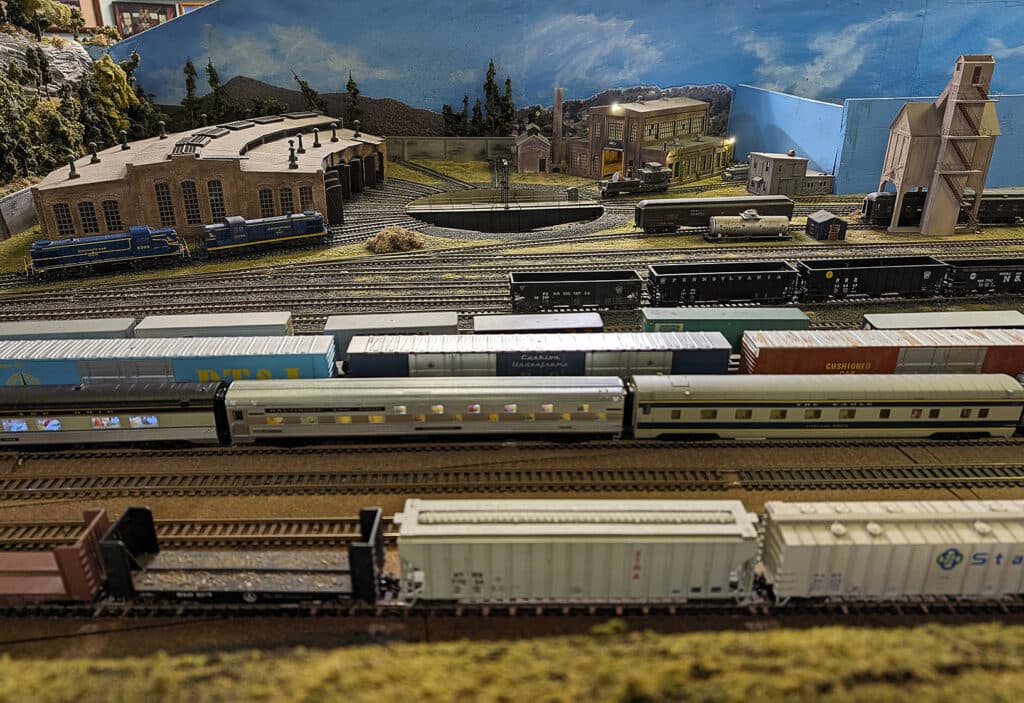
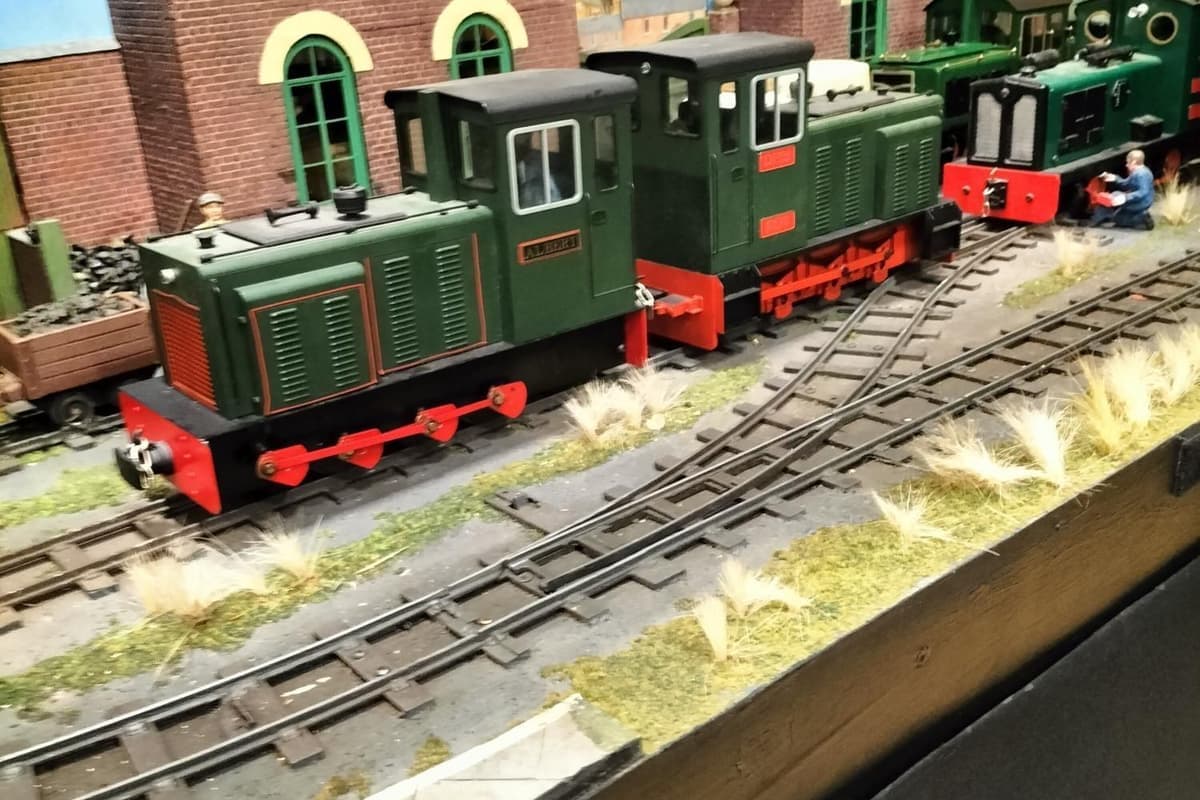
Chooch offers pulpwood load for 48-foot bulkhead flatcars
Chooch's pulpwood load turns a bare 48-foot bulkhead flatcar into believable forest-products traffic, a quick fix for logging spurs and paper-mill extras.
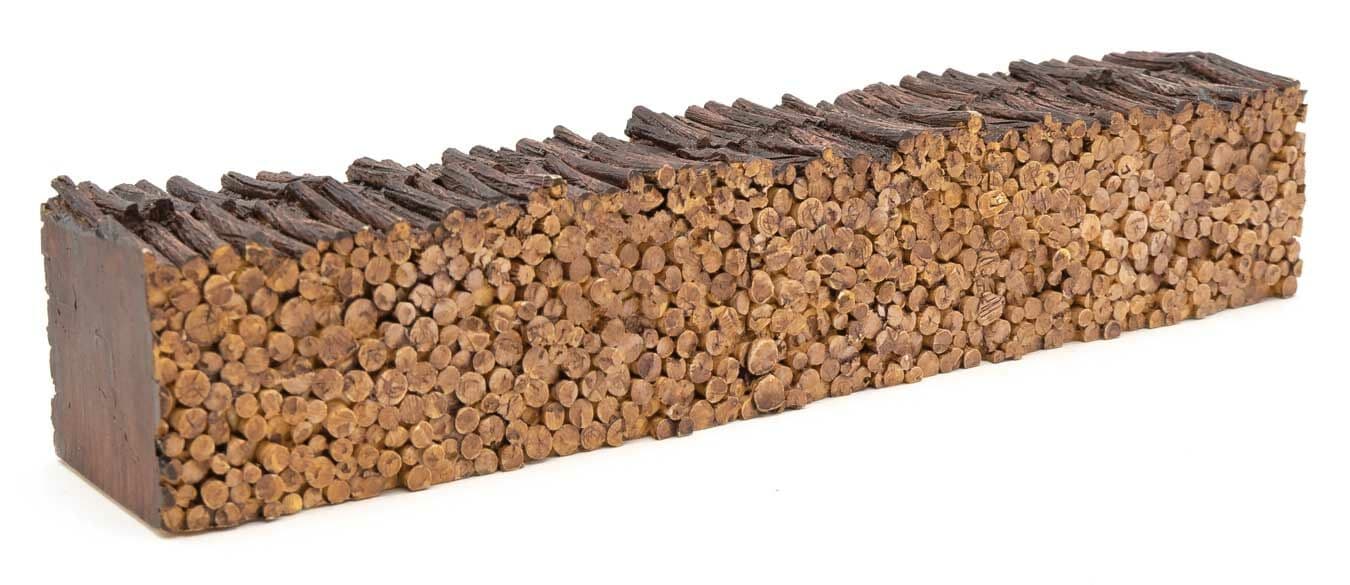
Chooch Enterprises Inc. offers a pulpwood load for 48-foot inside-length bulkhead flatcars, and that immediately solves one of the most common layout problems: an empty flat looks like a placeholder, while a loaded one looks like revenue freight. For anyone modeling logging branches, paper mills, or forest-products traffic, this is the kind of part that gets a car into service fast without scratchbuilding stakes, chains, or a custom load block.
The match matters because bulkhead flatcars are built to secure loads and reduce shifting in transit, which is exactly why they show up in traffic like structural steel, pipe, steel plate and some lumber products. Pulpwood fits that same operating logic. Atlas’s HO-scale product information describes pulpwood as tree limbs cut to a specified length, turned into wood pulp and used in the paper industry, and notes that transport demand rose as timber resources near paper plants dwindled. That makes a pulpwood-laden bulkhead flat a believable move for a mill spur, an interchange track, or the middle of a manifest headed for a paper customer.
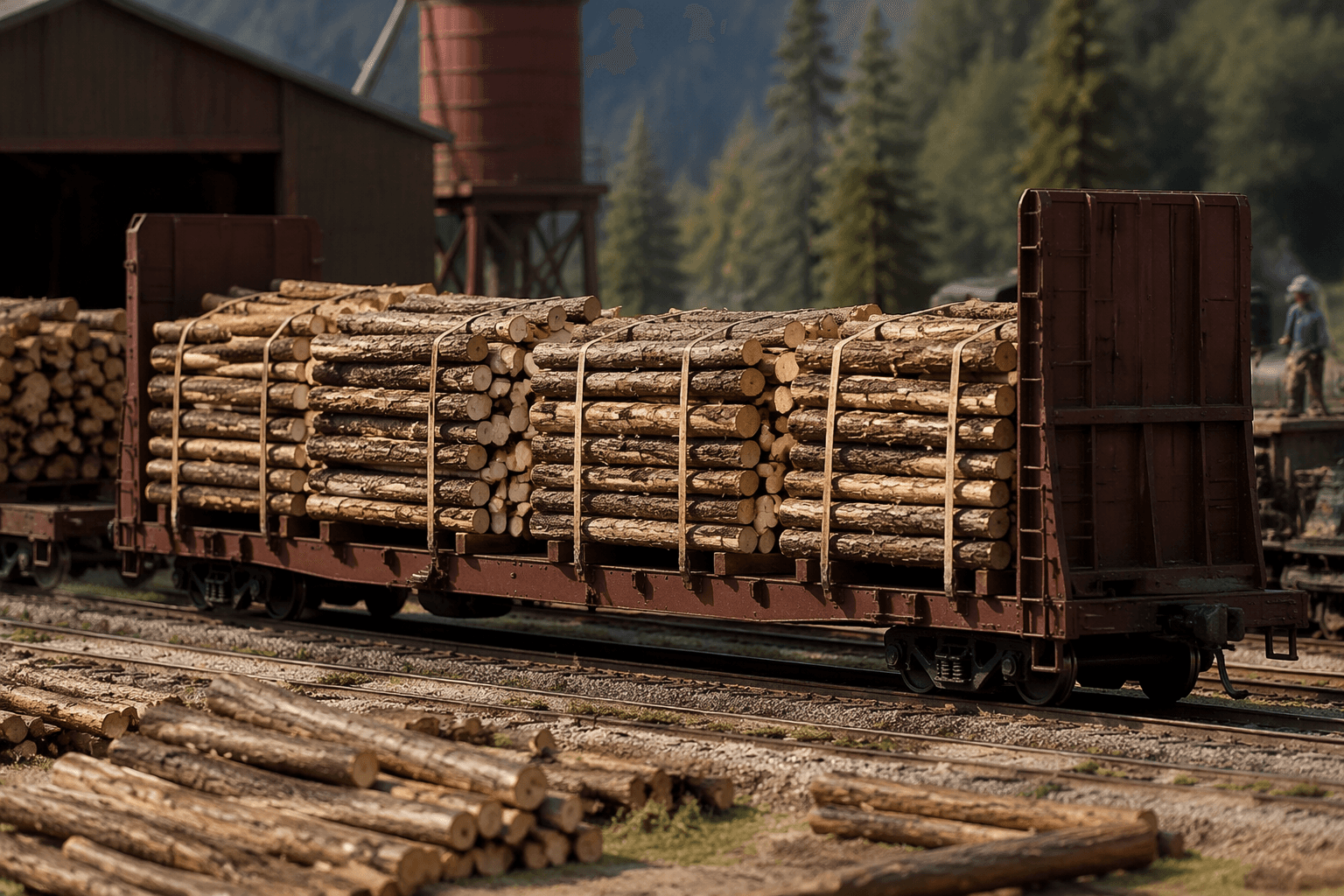
This is also a load with real prototype depth behind it. A Trains.com forum discussion puts bulkhead flatcars in use at least as far back as the 1940s, and says Missouri Pacific had homemade examples built in the late 1930s. History Colorado also identifies Denver & Rio Grande Western Railroad bulkhead flatcar No. 22488 as a preserved historic railcar, a reminder that the type is not some modern oddity dreamed up for model catalogs but a long-running piece of freight equipment with a clear place in railroading history.
For modelers, that history is what makes a ready-made pulpwood load so useful. It lets a 48-foot bulkhead flatcar do what the prototype did: carry a bundled, high-volume commodity that looks right on a branchline, in interchange service, or in a forest-products block. Retail listings have already shown Chooch pulpwood loads aimed at Atlas cars and Canadian 50-foot bulkhead flatcars, which underlines the same point from another angle. This is a recurring load category, not a one-off scenic oddity.
On a layout, that means a flatcar can stop looking like spare rolling stock and start reading like a car that has somewhere to be. Drop the load into a 48-foot bulkhead flat, add a little weathering if the scene calls for it, and the car instantly looks like it belongs in the train instead of sitting around waiting for a job.
This article was produced by Prism’s automated news system from verified source data, official records, and press releases, then run through automated quality and moderation checks before publishing. The system is built and supervised by the people who set the standards it runs under. Read our full AI policy.
Did this article answer your question?