Fleischmann’s July N scale arrivals span DB, SBB, and MAV-Start models
Fleischmann’s July N scale batch is strongest where operators need quick, believable consists: the DB commuter set and two DCC-sound electrics do the heavy lifting.
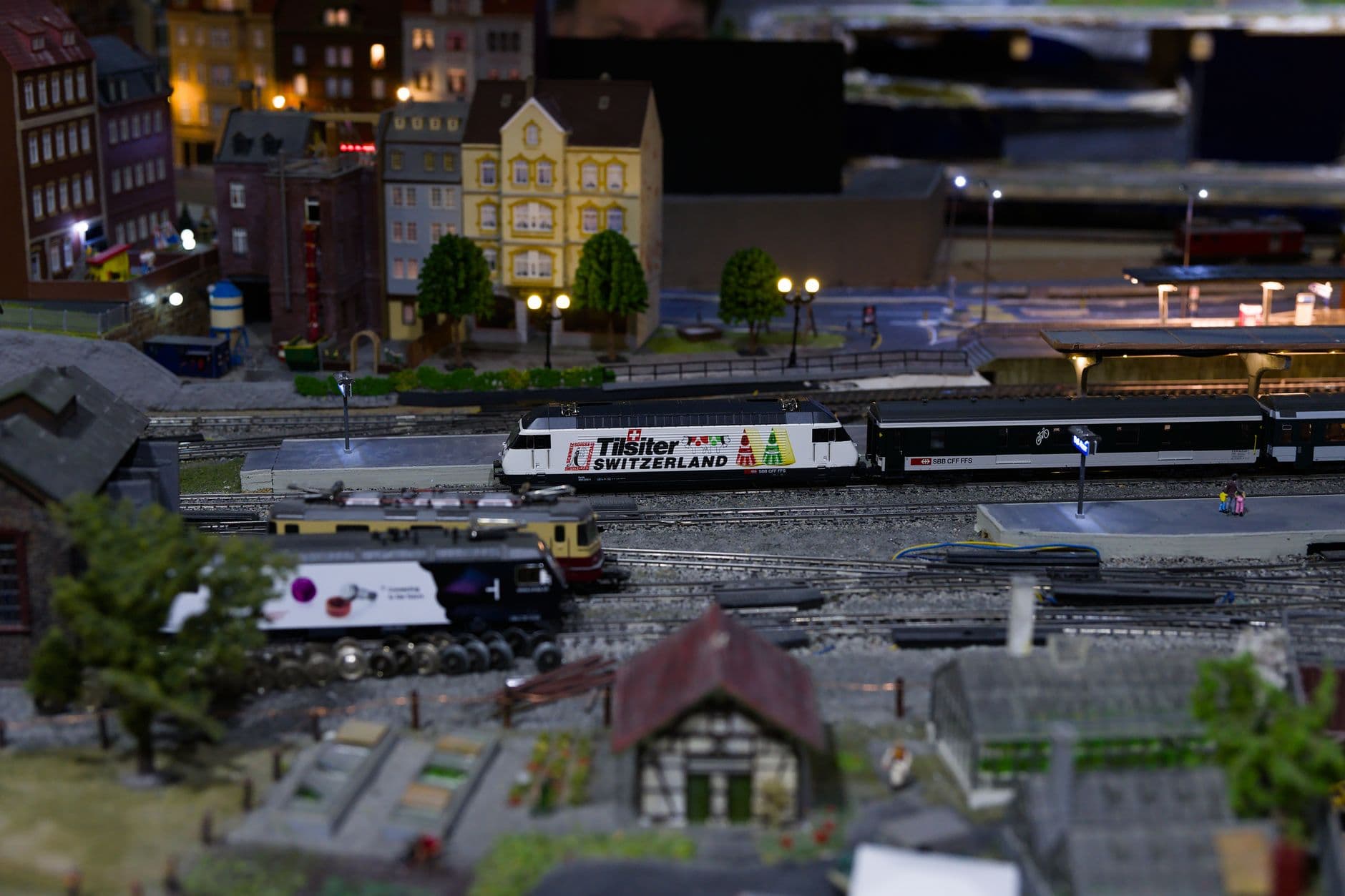
Fleischmann’s July N scale arrivals are the sort of release that helps you finish a layout instead of just adding another box to the stash. The range spans passenger stock, freight wagons, and motive power across DB, SBB, Wascosa, DR, DBAG, and MAV-Start, but the real value for operators sits in the combinations that let you put a believable train on the rails fast. The DBAG BR180 015-0 and the MAV-START Rh182 573-6, both offered with DCC sound, are the standout power moves for anyone building a modern continental scene.
The quickest path to a working train
If you are shopping this batch like a layout owner instead of a collector, start with the locomotives that do more than sit in a display case. Fleischmann flags DCC-sound options where applicable, and that matters in N gauge because sound-equipped compact locomotives have gone from novelty to genuinely practical operating stock. The BR180 015-0 and Rh182 573-6 are the obvious headline pieces here, but they solve different problems on the roster.
- The DBAG BR180 015-0, in Era VI, is tied to the DR’s 1980s purchase of electric dual-system locomotives for cross-border traffic with Czechoslovakia. Fleischmann finishes it with separately applied parts, elaborate roof detailing, and delicate bogies, so it reads as a serious model of a serious prototype.
- The MAV-START Rh182 573-6, also in Era VI, represents an Akiem-leased ES 64 U2 in current use between Hungary and Austria. Fleischmann links the prototype to the MAV Group’s 2023 contract with Akiem for fifteen locomotives to replace older V43 class units, which gives the model a clear contemporary backstory rather than a vague “European electric” label.
Those two locomotives are the pieces most likely to anchor a modern passenger or freight scene, because they carry the right cross-border feel and they give you the digital features many N gauge operators now expect. If you want a single model that looks at home on a Central European corridor, the Rh182 is the cleaner modern choice. If you want a machine with a more historically layered story and a stronger “prototype with a mission” feel, the BR180 is the one that earns the shelf space.
Passenger stock that does real work
The most immediately useful coaching release is the three-piece DB commuter coach set from the Stuttgart area. Fleischmann presents it in mint turquoise and light grey, in late-1990s condition, and includes a control-cab coach with a function decoder for white and red light changes. That makes it far more than a generic suburban set, because the cab-control end gives you a ready-made terminating service or push-pull operation without extra fuss.
For a layout, that matters. A three-car commuter consist is exactly the kind of train that makes a station feel busy without demanding a long platform or a huge roster. It also fills one of the most common gaps in European N gauge collections: a realistic short passenger train that looks believable on its own, not just as the tail end of a longer rake.
The broader release also spans passenger and mixed-traffic themes beyond DB, which is why this batch feels more useful than a one-prototype catalogue splash. Even if your own line leans toward a different railway administration, the range gives enough continental variety to support cross-border scenes and secondary stations that need traffic moving all day.
Freight wagons for yards, spurs, and block trains
The freight side is where Fleischmann quietly does the heavy lifting for operators. The release includes car transporter sets, open container-carrying wagons, long sliding-wall wagons, open wagon sets, stake wagons with container loads, and swivel-roof wagons. That mix covers a lot of the everyday traffic that keeps a yard from looking like a static display.
The most layout-friendly item in the freight batch is probably the SKW Piesteritz swivel-roof wagon set. Fleischmann describes it as a three-wagon Era VI set with fine walkways, ladders, platform railings, and many separately applied parts, and says it is ideal for forming block trains. That last point is the important one: a wagon set built for block traffic gives you a ready-made industrial movement, not just a lone wagon to tuck behind a random shunter.
The other freight types fill familiar gaps too. Car transporters are a staple for modern terminals, open container-carrying wagons and stake wagons with container loads cover intermodal and mixed industrial scenes, and long sliding-wall wagons or open wagon sets give you the kind of traffic that makes a freight yard look worked, not staged. If your layout needs believable background motion more than one-off novelty wagons, this is where the July batch earns its keep.
Who should treat this as operator stock, and who should treat it as collector bait
This is not a release built around a single showpiece. Fleischmann’s own 2026 catalogue is already live, with a separate 2026 price list, and several of these July items are tagged as “Novelty (quarter 2026.Q3),” which places them squarely inside a broader new-items program rather than a one-off special. That matters because it suggests support, continuity, and enough related stock to build coherent trains rather than isolated purchases.
For pure operators, the best value is straightforward: the DB commuter set, the BR180, the Rh182, and the SKW Piesteritz wagons all do something useful on a layout. For collectors, the more specialized appeal lies in the prototype stories, especially the BR180’s Czechoslovakia cross-border roots and the Rh182’s Hungary-Austria leasing and approval footprint across several Central European rail networks, including Hungary, Austria, Germany, Romania, Croatia, and Serbia.
That is why this July batch lands so well. It gives you the kind of rolling stock that closes roster gaps fast, while still offering enough prototype depth to tempt anyone who likes their N gauge models to come with a real operating reason for existing.
This article was produced by Prism’s automated news system from verified source data, official records, and press releases, then run through automated quality and moderation checks before publishing. The system is built and supervised by the people who set the standards it runs under. Read our full AI policy.
Did this article answer your question?