How Joshua Lionel Cowen turned toy trains into a lasting hobby
Joshua Lionel Cowen did not invent toy trains, but he made them electric, display-worthy, and easy to pass down. That is the formula that still shapes how Lionel gets bought, built, and collected.
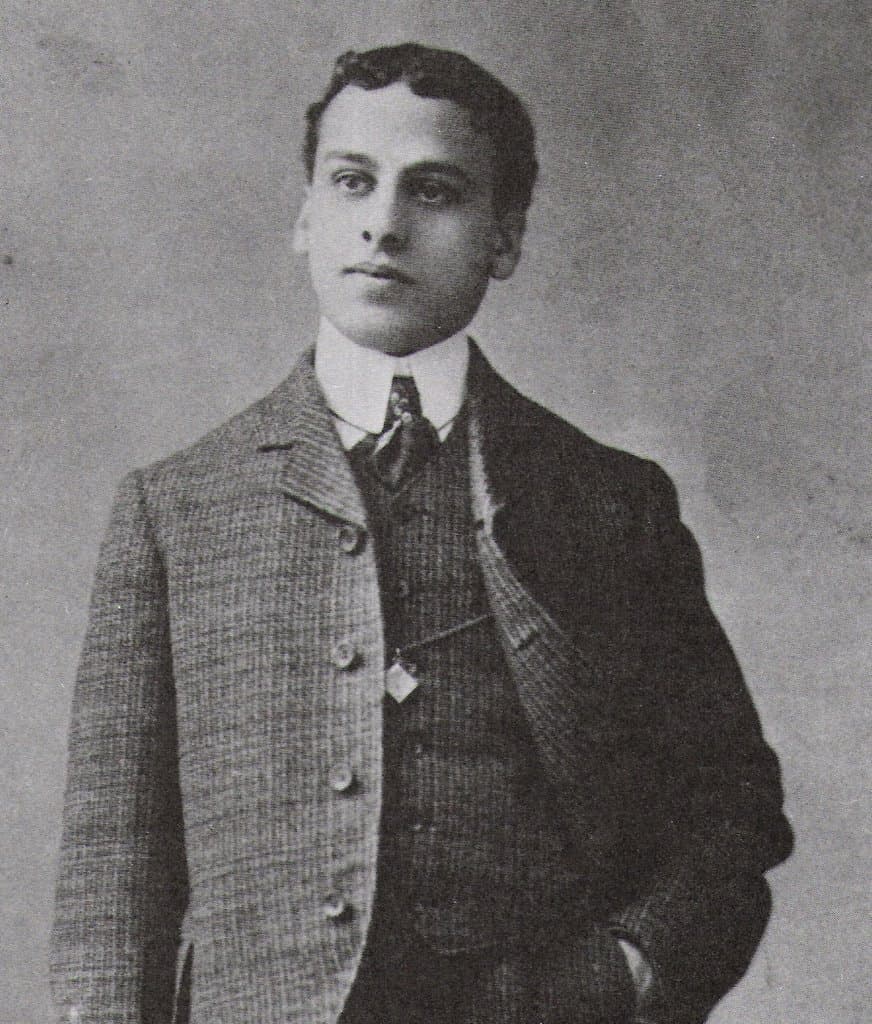
Joshua Lionel Cowen did not invent toy trains. He made them feel like something worth keeping, by turning a store-window novelty into a miniature world that could sit under a tree, on a shelf, or in the middle of a family room layout. That is the Lionel breakthrough that still matters: spectacle plus electricity plus railfan appeal.
The engineer-salesman behind Lionel
Cowen was born in New York City in 1877 and was originally named Joshua Lionel Cohen. He studied at Cooper Union and Columbia College, and he came up through electrical invention before he ever became synonymous with trains. His early credibility was not built on toy-shop charm alone either, since he received a U.S. Navy mine-fuse contract in 1899 that reportedly brought in $12,000 and helped finance the business.
In 1900, Cowen and Harry C. Grant founded Lionel in New York as an electrical novelty company. That origin matters because it explains why Lionel never behaved like a plain toy maker. The company was built to sell motion, light, and showmanship, and those are the same ingredients that still make a train layout come alive today.
A train designed to catch the eye first
Lionel’s timeline says Cowen’s first train, the Electric Express, was designed as a display for toy stores, not as a child’s plaything. That detail is the key to understanding Lionel’s lasting influence. Before realism, before collector value, before the whole idea of a permanent layout, the train had to stop people at the window and make them want to watch it run.
The first Lionel trains were powered by wet-cell batteries, then soon shifted to 110-volt electric transformers. That transition tracks the excitement around home electricity in the early 20th century, when a toy train was not just a toy but a small piece of modern life on the floor. Lionel produced its first trains in 1901, and from the start the brand tied railroads to the new electric age.
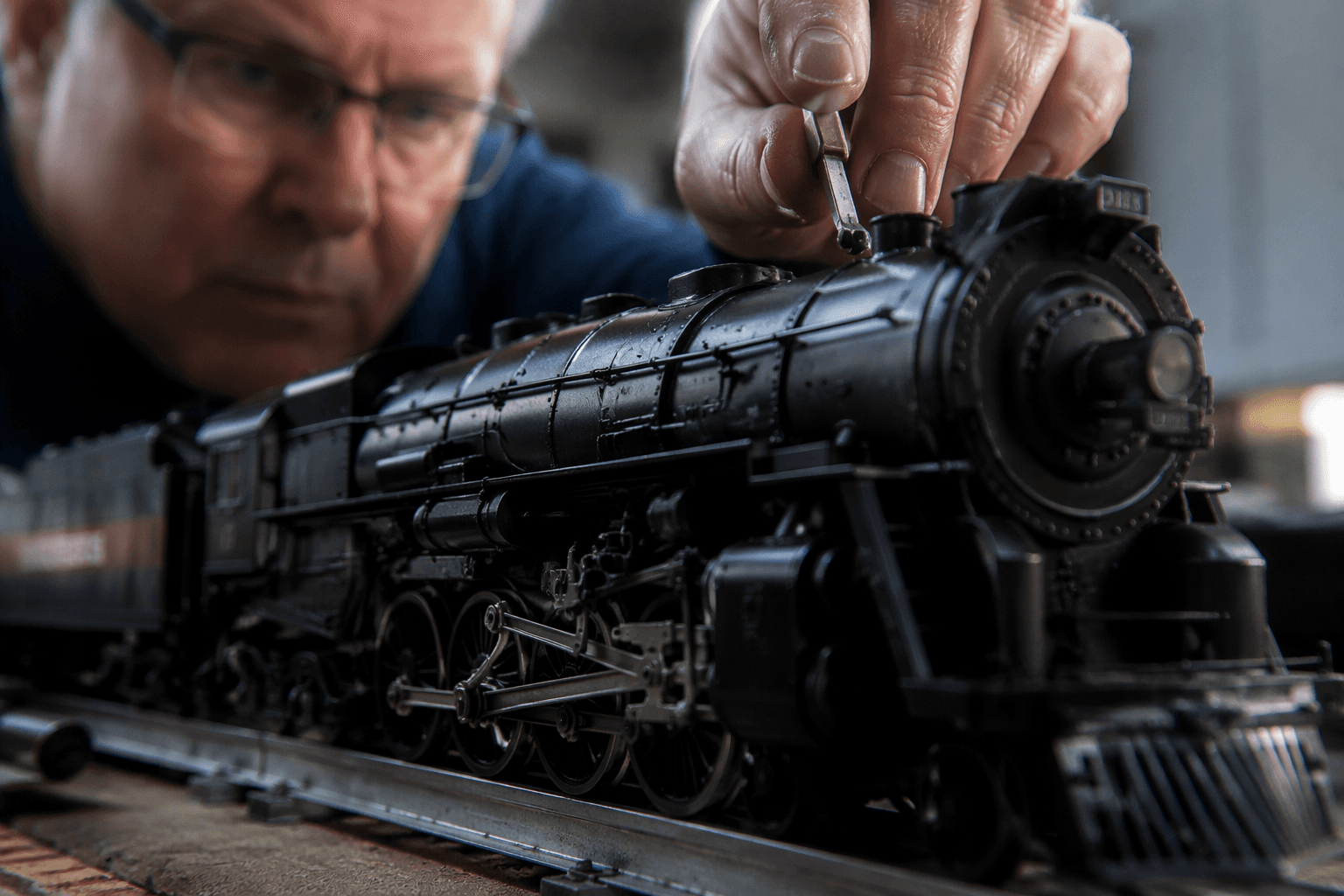
That is why Lionel still reads differently from a lot of model railroad gear. The earliest product logic was not just “make it smaller.” It was “make it move, light up, and command attention.” For modern layouts, that legacy shows up every time a builder prioritizes a lit station, an animated crossing, or a loop that can be seen from across the room.
Standard Gauge gave the hobby a shared format
Lionel introduced Standard Gauge trains in 1906, and that line became one of the company’s defining families through the prewar era. Standard Gauge toy trains are roughly 1:32 scale with a 2 1/8-inch gauge, which gave them a substantial presence that matched Lionel’s love of theater and operation. The format was big enough to feel serious, but still compact enough to fit into a family setting.
That size helped shape buying habits that still echo today. When a train is large enough to be seen as a centerpiece, it becomes easier to give as a gift, easier to display during the holidays, and easier to pass down as an object with a story attached. Lionel did not just sell trains in this period; it helped define what a train set looked like when a family decided it belonged in the house.
Why Lionel sits at the crossroads of toy trains and model railroading
Lionel’s own history frames railroads and electricity as central symbols of early-20th-century American modernity, and that is exactly where the hobby takes root. Passenger names like the Twentieth Century Limited stood for speed, technology, and polish, and Lionel traded on that sense that railroads were the nation’s moving image of progress. Once you understand that, it is easier to see why model railroading split into two lanes.
One lane stayed close to the toy-train tradition: rugged equipment, instant operation, big visual impact, and a strong emotional pull. The other lane pushed toward finer scale realism, prototype accuracy, and operating authenticity. Lionel sits right at that crossroads, which is why the brand still means different things to different people without losing its identity.
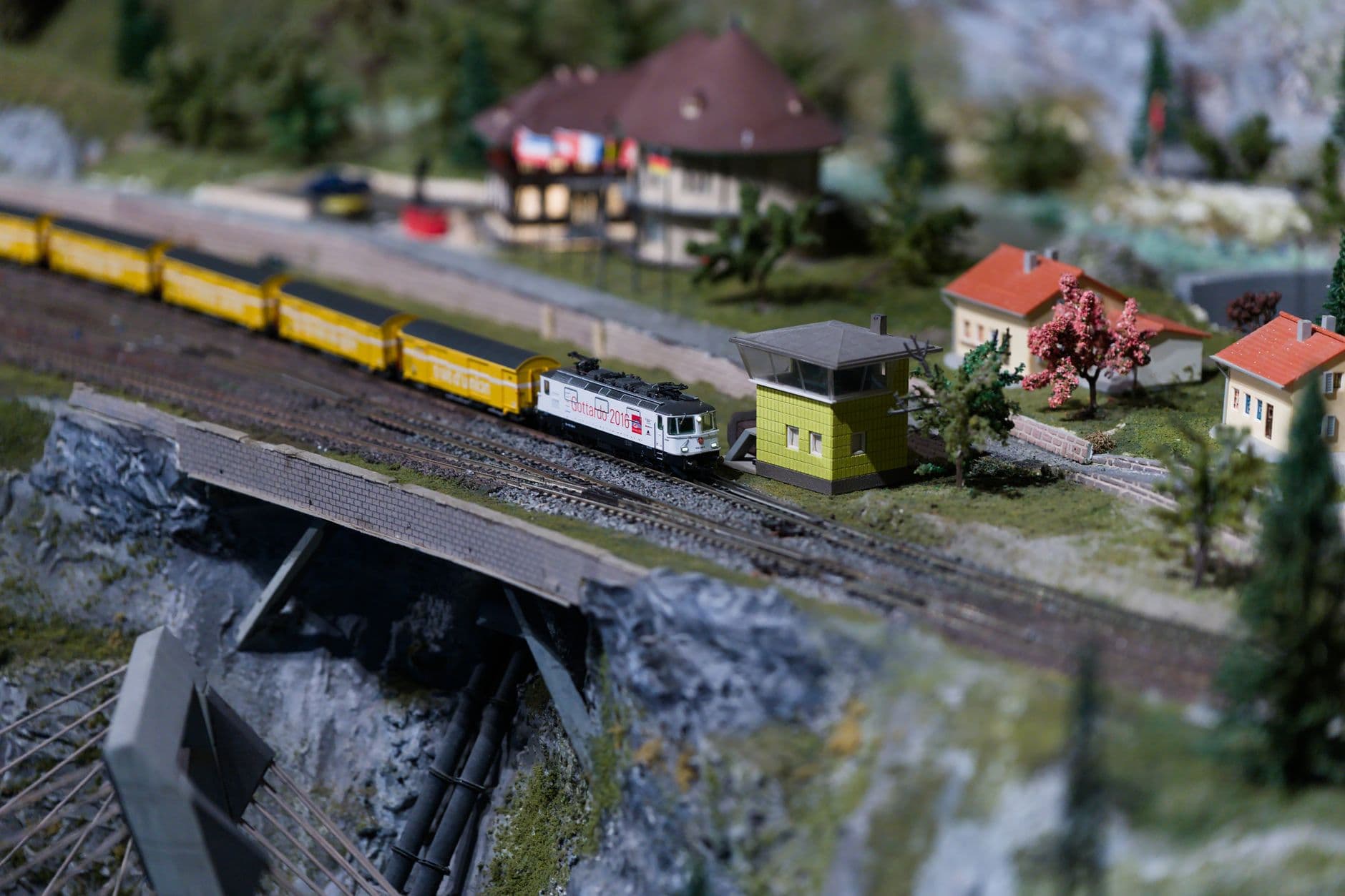
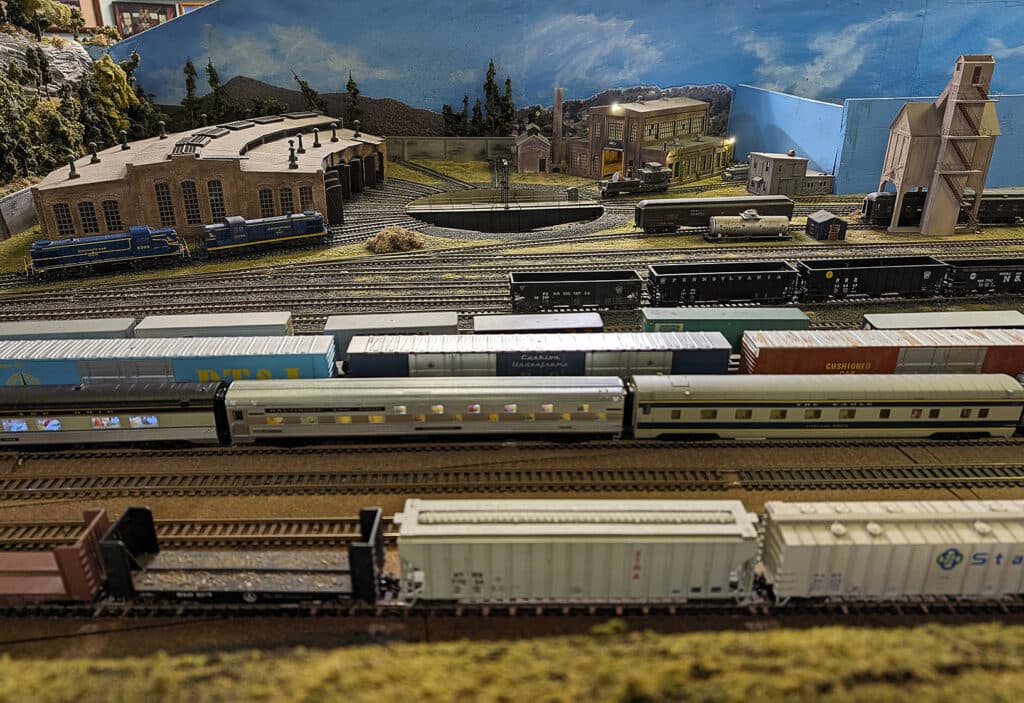
The Train Collectors Association puts the hobby in plain terms: model railroading lets railfans create rail transport systems at reduced scale. That is the deeper appeal Cowen stumbled into and then helped define. A loop on the floor can become a functioning railroad if you give it enough track logic, enough scenery, and enough reason to keep running after the holidays end.
The theater never really left
Lionel’s modern product language still leans on the same instincts that made the Electric Express work in a toy store. A Lionel Hobby Shop accessory description points to three working layouts, crossing signals, wall displays, catalog art, and a winter retail atmosphere. That is not an accident or a side note. It is the same old formula: make the railroad feel alive before you worry about whether it is the right scale for a prototype purist.
That theatricality is one reason the brand crosses generations so easily. A child sees motion and light. An operator sees reliable running and a layout that can be expanded with accessories. A collector sees continuity with earlier Lionel families, especially Standard Gauge, and a piece that still carries the company’s visual language. The same train can serve all three roles because Lionel built the brand around use, not just display.
The Train Collectors Association’s National Toy Train Museum in Strasburg, Pennsylvania, shows how deeply this hobby has been folded into American collecting culture. It is not just about preserving objects. It is about preserving the idea that a train set can be an heirloom, a display, and an operating railroad all at once.
Cowen’s real achievement was never simply making a toy train. He made a train that could start as a store display, become a holiday centerpiece, and end up as a family layout passed from one generation to the next. That is why Lionel still shapes the way people buy, build, and keep model trains running.
This article was produced by Prism’s automated news system from verified source data, official records, and press releases, then run through automated quality and moderation checks before publishing. The system is built and supervised by the people who set the standards it runs under. Read our full AI policy.
Did this article answer your question?