Rails cuts Heljan Class 104 DMUs by up to 37 percent
Rails has cut Heljan's OO Class 104 DMUs by up to 37 percent, opening a rare entry point for branch-line and suburban operators.

Rails had cut Heljan’s OO-gauge Class 104 DMUs by as much as 37 percent, turning a detailed first-generation diesel multiple unit into a far easier buy for layouts that need believable branch-line and suburban passenger traffic. The range spans two-car and three-car formations and comes in BR green, BR blue, BR blue and grey, Late Network SouthEast, and ScotRail’s Mexican Bean scheme.
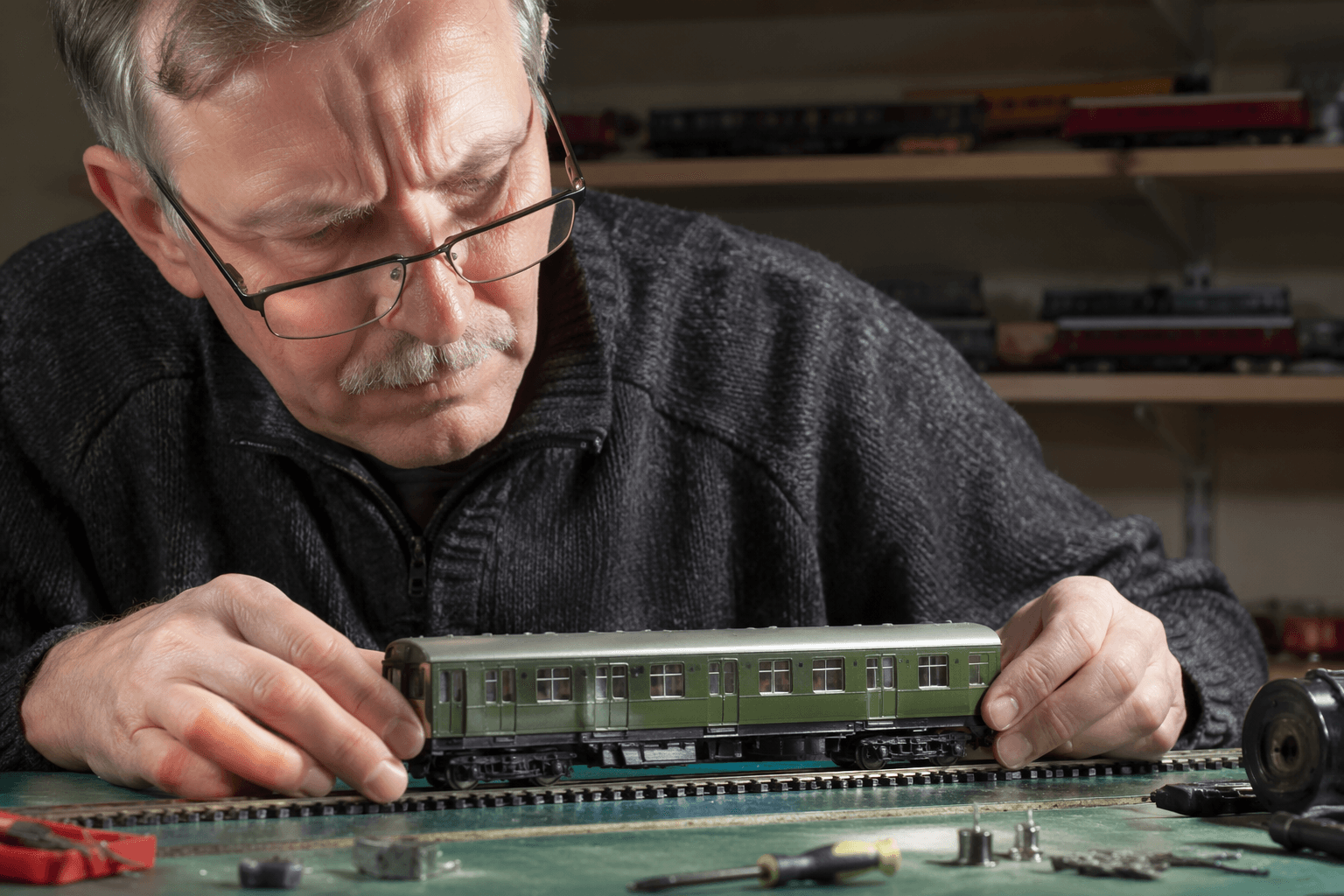
That breadth matters because the Class 104 was never a one-note prototype, and Heljan has matched that variety with a model built for serious operation. The set uses a low-profile mechanism powering one car per formation, switchable interior and exterior lighting, a 21-pin DCC decoder interface, and provision for sound. Factory-fitted DCC sound is still being investigated, so the decision is simple for most buyers: jump now if you want a well-specified DMU at a steep discount, or skip for the moment only if sound is the deal-breaker.
The prototype gives the model real weight on any OO layout. Birmingham Railway Carriage and Wagon Company built the Class 104 between 1957 and 1959 as part of British Railways’ post-war Modernisation Plan, with 302 vehicles completed in total. The first sets delivered were three-car formations sent to Longsight in 1957, and the class went on to become closely tied to Manchester Piccadilly to Buxton work, Blackpool services, and wider passenger duties across the North West and North Eastern regions.
One of the reasons the Heljan release has stood out is the amount of tooling variation packed into the range. Rails highlighted detailed interiors, underframe detail, separate handrails, sprung buffers, and different cab ends, roofs, interiors, and body details across the tooling. That complexity is part of why the Class 104 has been treated as one of Heljan’s more ambitious projects, and it is also why the sale feels like more than a simple stock clearance. This is a model with enough character to hold its own in a set-piece DMU era, a heritage railway scene, or a suburban commuter roster.
The class’s preservation story helps explain the appeal. Railcar reports 13 preserved vehicles, while the BRCW Group says it cares for 12 preserved Class 104 vehicles across three heritage railways, with five returned to regular passenger service and a sixth under restoration. The final passenger withdrawal came in 1993, but the image of the type still lingers, especially for the famous Mexican Bean set that worked summer tourist duties between Oban and Crianlarich in maroon and white. With stock being discounted across multiple liveries and formations, this is the moment to decide whether a Class 104 belongs on the roster before the remaining choice thins out.
This article was produced by Prism’s automated news system from verified source data, official records, and press releases, then run through automated quality and moderation checks before publishing. The system is built and supervised by the people who set the standards it runs under. Read our full AI policy.
Did this article answer your question?