Rapido unveils HO scale National Steel Car 89-foot autoracks
Rapido brought HO scale 89-foot open autoracks to market in both tri-level and bi-level form, rooted in CN and CP prototypes that began in 1962.
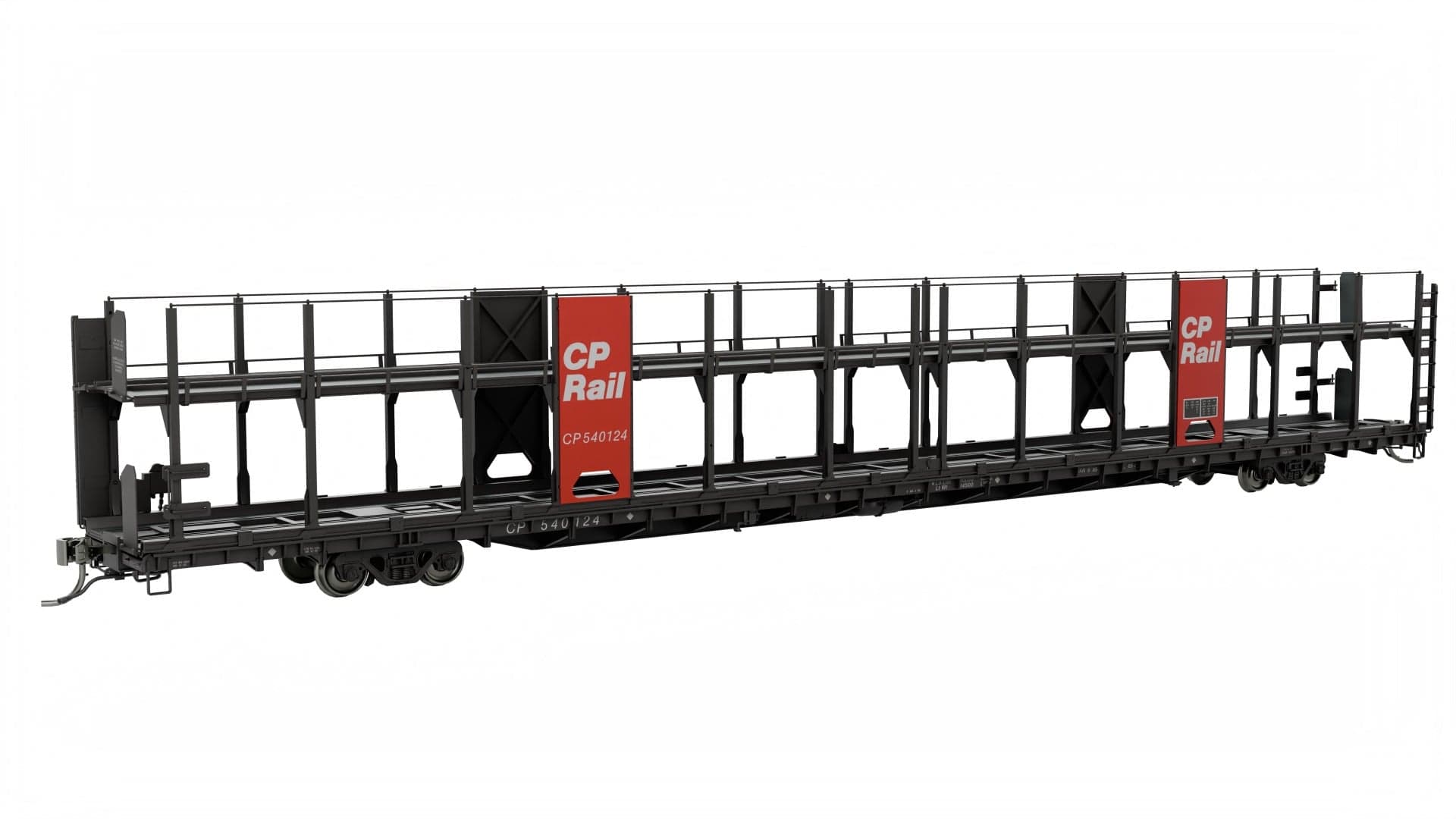
Rapido has expanded its HO scale freight-car lineup with National Steel Car 89-foot open autoracks, a release that gives Canadian automotive traffic a far more specific look than the usual generic enclosed rack. The series covers both tri-level and bi-level versions, letting a train reflect the exact mix of loads and eras that made autorack service such a distinct part of North American railroading.
The prototype story starts in 1962, when Canadian National and Canadian Pacific acquired their first 89-foot tri-level autoracks. Rapido traces the racks themselves to Whitehead & Kales of Detroit, mounted on 89-foot flat cars built by National Steel Car in Hamilton, Ontario. The design caught on quickly. Follow-up orders came every year from 1963 through 1965, and CP ordered again in 1968 even as newer designs were emerging. By Rapido’s count, more than 400 tri-levels were built for CN and more than 300 for CP.
The bi-level version arrived in 1964 to handle light trucks and utility vehicles, adding another layer of operating realism for Canadian and cross-border auto traffic. CN and CP followed with more orders in 1965, and CP placed a third order between 1969 and 1970. That left CP with 202 bi-levels and CN with 125, enough depth to justify multiple roadnames, road numbers, and load combinations in an HO roster. The numbers also explain why the open autorack family holds such a strong place in the era: it was not a one-off experiment, but a long-running part of finished-vehicle service.
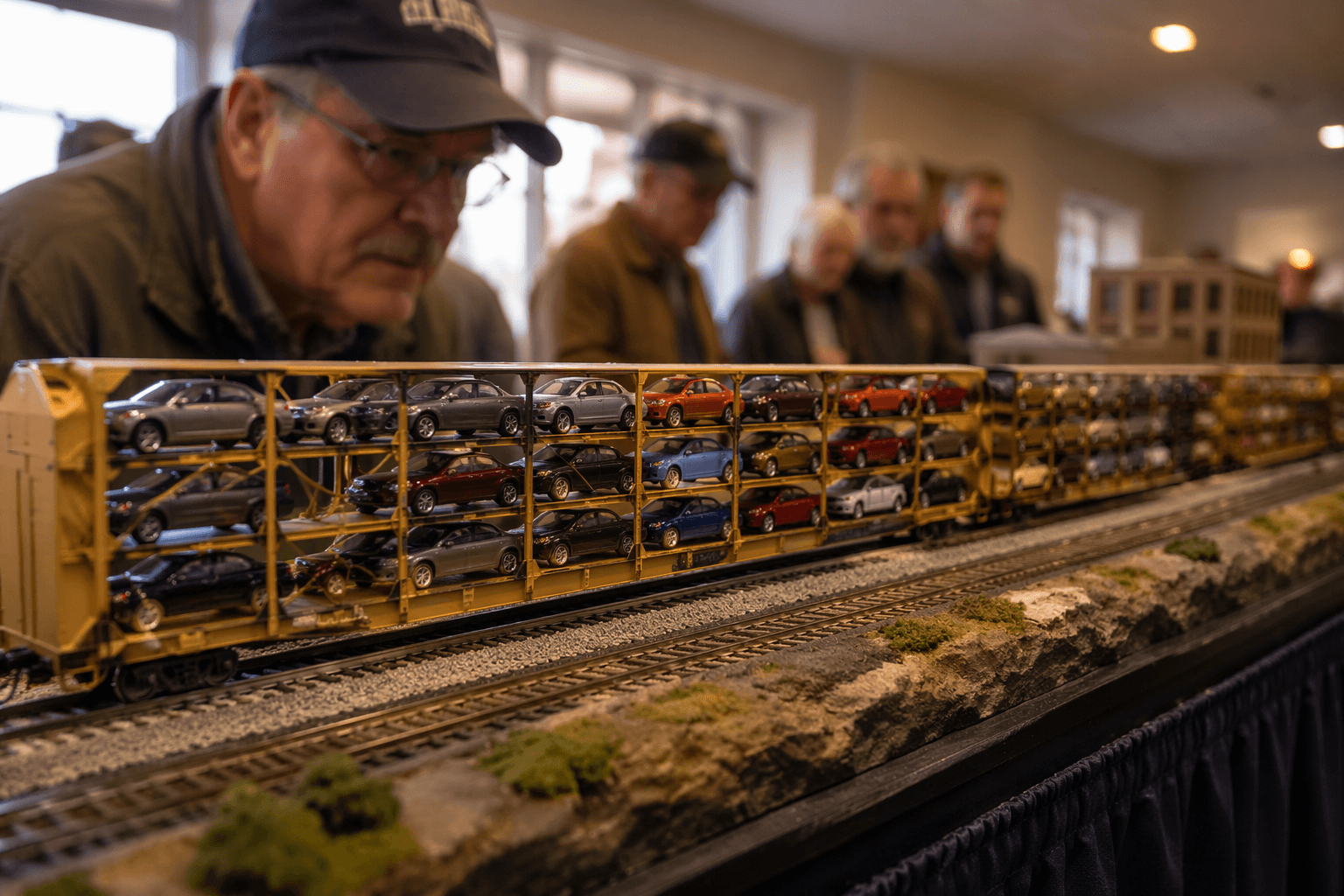
For layouts, the payoff is immediate. A string of 89-foot autoracks stretches a train visually, breaks up a merchandise consist, and instantly signals automotive traffic in a way boxcars and generic racks cannot. The tri-level and bi-level versions also change the scene around them, from assembly-plant moves and terminal tracks to late-transition and 1970s-era trains where long vehicle carriers became part of the operating picture. Rapido’s choice to model both forms makes the release useful for anyone building a believable autorack service, especially where Canadian prototypes and prototype-specific train makeup matter most.
This article was produced by Prism’s automated news system from verified source data, official records, and press releases, then run through automated quality and moderation checks before publishing. The system is built and supervised by the people who set the standards it runs under. Read our full AI policy.
Did this article answer your question?