Rapido unveils LRC model line celebrating Canada’s fastest passenger trains
Rapido’s new LRC line pairs a 3,750-hp locomotive with matching coaches, letting HO modelers build VIA’s 1981 Quebec City-Windsor corridor flagship.

Rapido has turned its LRC release into a full train, not just a locomotive, with matching passenger cars and sets built around VIA Rail Canada’s most distinctive corridor equipment. The special commemorative run is aimed at modelers who want to stage a complete Quebec City-Windsor Corridor consist, from the power end to the coaches that made the train a recognizable sight on the Montreal-Toronto route.
The prototype has a strong story to match the tooling. LRC stands for Light, Rapid, Comfortable, and VIA introduced the Bombardier and Montreal Locomotive Works-built train in 1981 as a made-in-Canada answer for faster passenger service on existing track. The locomotive itself was compact for the work it did, only 12 feet tall and 63 feet long, yet it carried a 3,750-horsepower Alco 251F prime mover and two 250-kW alternators for head-end power. Designed for 125 mph operation, the system was limited to 100 mph in service, but that still translated into headline runs that gave the train its legend.
Rapido leans hard on that record. Its 335-mile Montreal-Dorval-Toronto Metropolis run in 3 hours 59 minutes remains the fastest scheduled passenger service in Canadian railway history, a detail that gives the model line clear appeal for Canadian passenger specialists. The release also reaches back to an earlier fast-train chapter, with CN’s Rapido passenger service debuting on October 31, 1965 on the Montreal-Toronto route before VIA Rail’s LRC later became the corridor flagship.
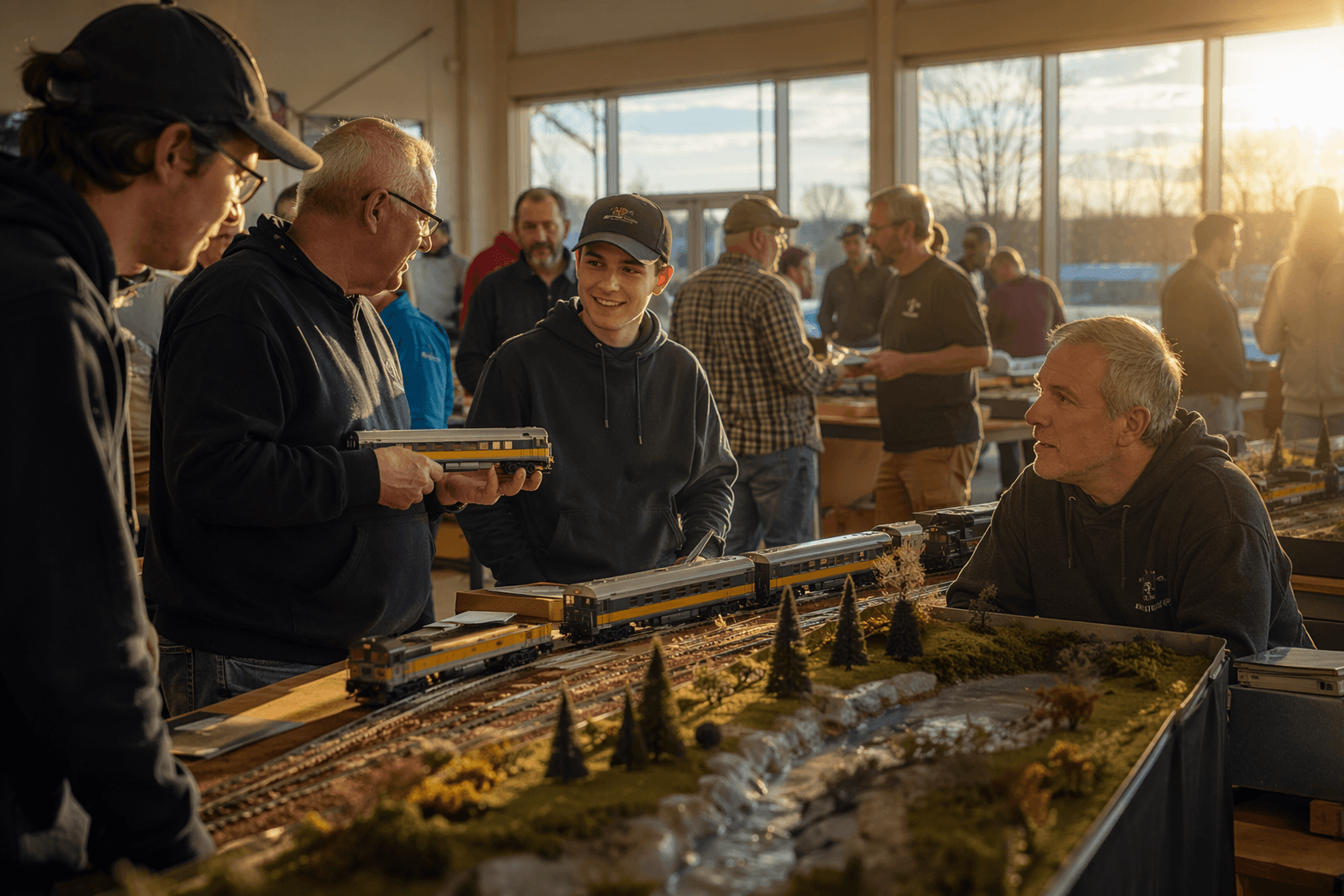
On the model side, Rapido is packing in the kind of details that matter on a passenger layout: working headlights, ditch lights, number boards, separate grab irons and handrails, detailed underbody piping, roof variations by paint scheme, LRC-specific sound on sound-equipped versions, smooth DC and DCC performance, and a MoPower capacitor for uninterrupted DCC running. The coaches and sets are being sold alongside the locomotive, which makes the release useful for operators who want a believable consist, not just a display piece. That also opens the door for layouts set in the 1981-to-2001 VIA era, especially Montreal, Dorval, Toronto, and Quebec City scenes where the LRC belonged.
That breadth is what gives the line its collector edge as well. Two LRC locomotives survive in preservation, No. 6921 at the Canadian Railway Museum, Exporail, near Montreal, and No. 6917 with the Toronto Railway Historical Association after its 2010 Save The LRC campaign. Rapido’s model arrives as the real trains have largely moved into heritage status, so the appeal runs from operators building a corridor consist to collectors who want a rare, fully themed Canadian passenger train on the shelf and on the rails.
This article was produced by Prism’s automated news system from verified source data, official records, and press releases, then run through automated quality and moderation checks before publishing. The system is built and supervised by the people who set the standards it runs under. Read our full AI policy.
Did this article answer your question?