Roka GATC tank cars showcase decades of utility service history
One 1949 GATC tank car body can play fuel hauler, lube car, fire train unit, or MOW support, which is exactly why this Roka release punches above its size.
A tank car that earns its keep
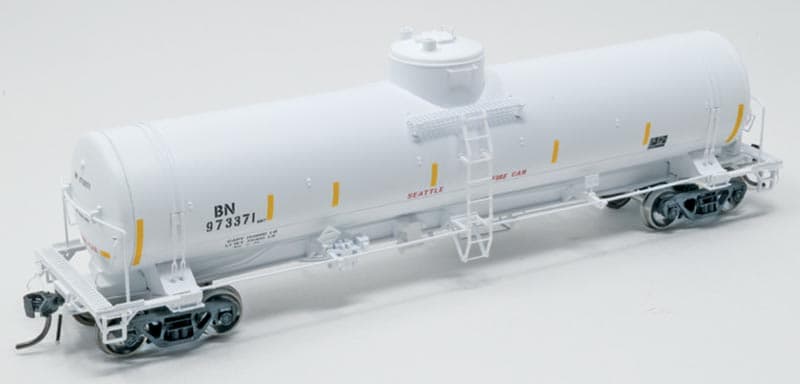
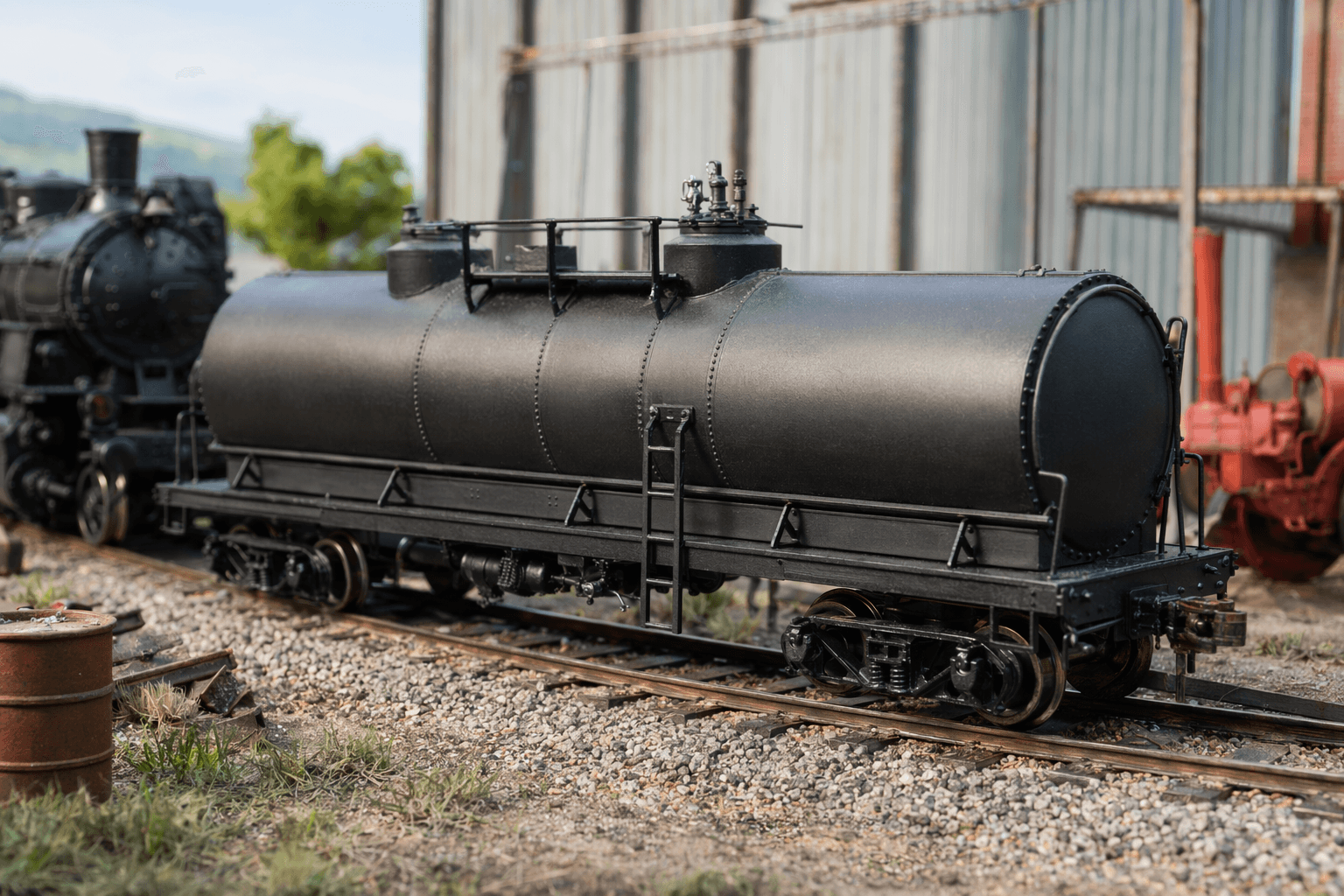
Roka Prototype Models has turned a plain-looking 16,000-gallon GATC tank car into the kind of HO scale release that actually changes how a layout feels in operation. The hook is not just that the cars were first built in 1949, but that the same basic prototype kept finding new jobs well into the mid-1990s. That long service life makes these cars more than one-roadname freight models: they are railroad utility vehicles with a real paper trail in shop service, maintenance-of-way work, and firefighting duty.
The original cars were built by General American Transportation Corp. for the Atchison, Topeka & Santa Fe, Northern Pacific, and Spokane, Portland & Seattle. That pedigree matters because it gives the model a believable backbone, but the real value is in what came after. These cars were not frozen in one tidy era. They evolved into shop-supply cars carrying lubricating oils, solvents, and diesel fuel, and into maintenance-of-way cars hauling water and herbicides. That is the sort of prototype history that lets one model fit a lot of scenes without feeling forced.
Why this prototype is so useful on a layout
A standard freight-car release gives you one railroad, one era, and one obvious job. This GATC tank car gives you all three of those things in multiple combinations. Roka’s lineup includes an ATSF orange dome streamliner fuel car, an ATSF vegetation-control GATC tank car in silver, an ATSF/BNSF fire-suppression water GATC tank car, and a Burlington Northern maintenance-of-way water car. It also includes a Burlington Northern Seattle fire car with hose reel and pump detail, a Montana Rail Link locomotive lube oil car, and a Santa Fe solvent car with flammable placards.
That breadth is the whole story. On an HO layout, one tank car design can move from engine terminal to shop complex, then over to a branch-line maintenance siding, then back into a fire protection spur or MOW storage track. A model like that lets you build a more believable railroad without buying a separate fleet for every scene. It is the kind of rolling stock that fills the background with purpose, not clutter.
The service history tells the story
What makes these cars especially compelling is the way their markings and fittings advertise their job. A silver vegetation-control car reads differently from a fuel car, and a fire-suppression water car with hose reel and pump detail looks like it belongs in a very specific place on the railroad. That is exactly the sort of prototype nuance that keeps a consist from looking generic.
Roka’s own product copy says the GATC tank cars saw service variations and expansions through the mid-1990s, and that timing opens the door to a wide range of scenes. If you model the late diesel period, you can still justify older company-service tank cars moving around a locomotive terminal or maintenance base. If you model later eras, the ATSF/BNSF fire-suppression car and the BN maintenance-of-way water car push the subject into more contemporary operating sessions without breaking the timeline.
The modern utility angle matters because railroad tank cars are often not even railroad-owned in the first place. Trains.com notes that, aside from a small number in railroad company service, tank cars are usually owned or leased by shippers. That makes company-service tank cars stand out. They feel railroad-specific, which is exactly why they draw the eye on a layout full of interchange freight.
Details that make the model era-correct
The best part of Roka’s approach is that it is not just paint-deep. The cars can be fitted with roller or friction bearing trucks and metal walkways, depending on the prototype being represented. That gives you a much better chance of placing each car in the right era instead of just guessing from the body style and hoping the rest blends in.
The inclusion of FRA 224 regulation stripes on some models is another smart touch. Those stripes help push certain cars into more modern-era scenes, and they have become a recognizable visual cue on tank cars. Athearn’s newer tank-car releases also use yellow FRA-224 stripes on some paint schemes, which reinforces how normal that marking looks on current and late-era equipment. For modelers, that means a tank car with the right striping can sit comfortably in a contemporary industrial district, not just in a 1950s or 1960s freight pool.
Where these cars fit in real railroad practice
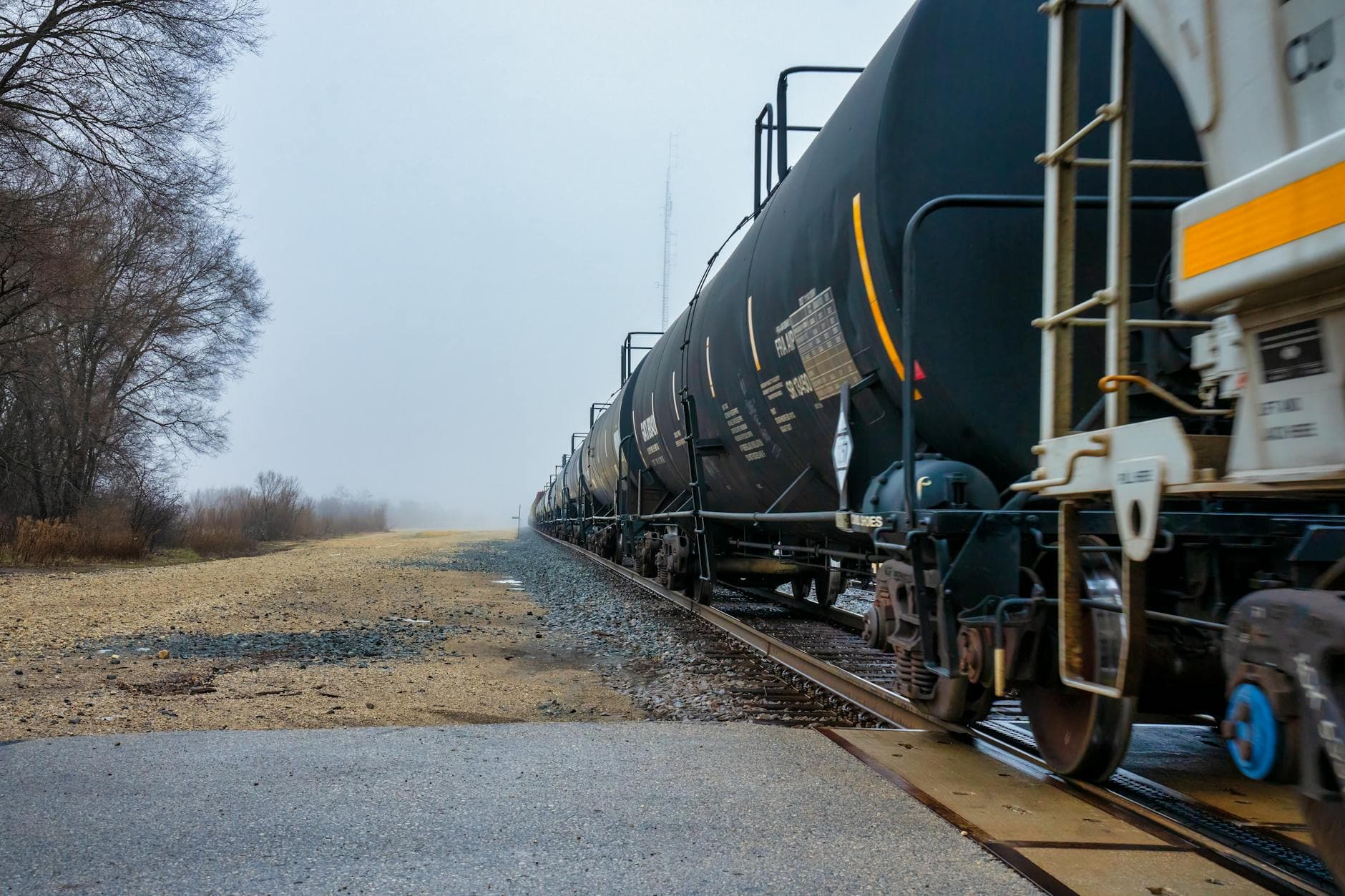
Tank cars have been part of railroad history for about 150 years, and modern cars come in a wider range than many layouts reflect. They can be pressurized or non-pressurized, insulated or non-insulated, and they serve everything from petroleum products to chemicals to food-grade substances. That variety explains why a tank car can be one of the most flexible pieces of rolling stock in the hobby.
The utility-car side of the story gets even stronger when you look at fire-train service. Railfan & Railroad has reported that BNSF Railway, Montana Rail Link, and Canadian Pacific have all used fire trains in wildfire response, usually with tank cars or bulkhead flats fitted with tanks of non-potable water. That gives the ATSF/BNSF fire-suppression water car and similar utility models a very practical place in railroad history, especially in the Mountain West and Pacific Northwest, where wildfire preparedness is part of the operating reality.
How to use them well in HO scale
These are the kind of cars that reward subtle weathering and believable placement. A locomotive lube oil car should look serviced but not pristine. A maintenance-of-way water car can carry road grime, faded silver paint, and heavy patching without looking out of place. A solvent car with flammable placards wants a cleaner body but still needs the kind of staining and dust that says it lives around a shop track instead of an interchange yard.
A few practical ways to put them to work:
- Park a fire-suppression water car near an engine terminal or fuel pad to create an emergency-response story.
- Stage a Montana Rail Link lube oil car beside a shop building or sand/fuel facility for believable servicing activity.
- Use the silver vegetation-control car on a branch line or weed-spray siding to suggest seasonal maintenance.
- Slot a BN MOW water car into a track gang scene with tools, tampers, and ballast piles for instant operational context.
- Mix in the ATSF orange dome fuel car with older diesel-era power to add variety without breaking prototype logic.
The beauty of this release is that it does not depend on a dramatic locomotive or a famous train to matter. It adds operational realism in small, useful ways, which is usually what makes a layout feel lived-in.
Why this release stands out
Roka has treated a familiar tank car body as a rolling history lesson in railroad utility service. Instead of giving modelers another one-prototype freight car, it has offered a family of cars that can represent fuel service, lube oil duty, vegetation control, fire suppression, and maintenance support across a span that runs from 1949 into the mid-1990s and beyond.
That is a rare kind of versatility. On the shelf, these cars are attractive paint-and-lettering variations. On the layout, they are operational tools that connect shop tracks, MOW spurs, fire readiness, and industrial support service into one believable fleet. For anyone trying to make an HO railroad feel like a real working railroad, that is a much bigger win than a single car with a single story.
This article was produced by Prism’s automated news system from verified source data, official records, and press releases, then run through automated quality and moderation checks before publishing. The system is built and supervised by the people who set the standards it runs under. Read our full AI policy.
Did this article answer your question?