Walthers upgrades HO scale SW1 with DCC, sound and fine detail
Walthers’ refreshed SW1 adds factory sound, DCC-ready electronics and finer details for yard work in tight spaces. The compact HO switcher now looks aimed at operators, not display cases.
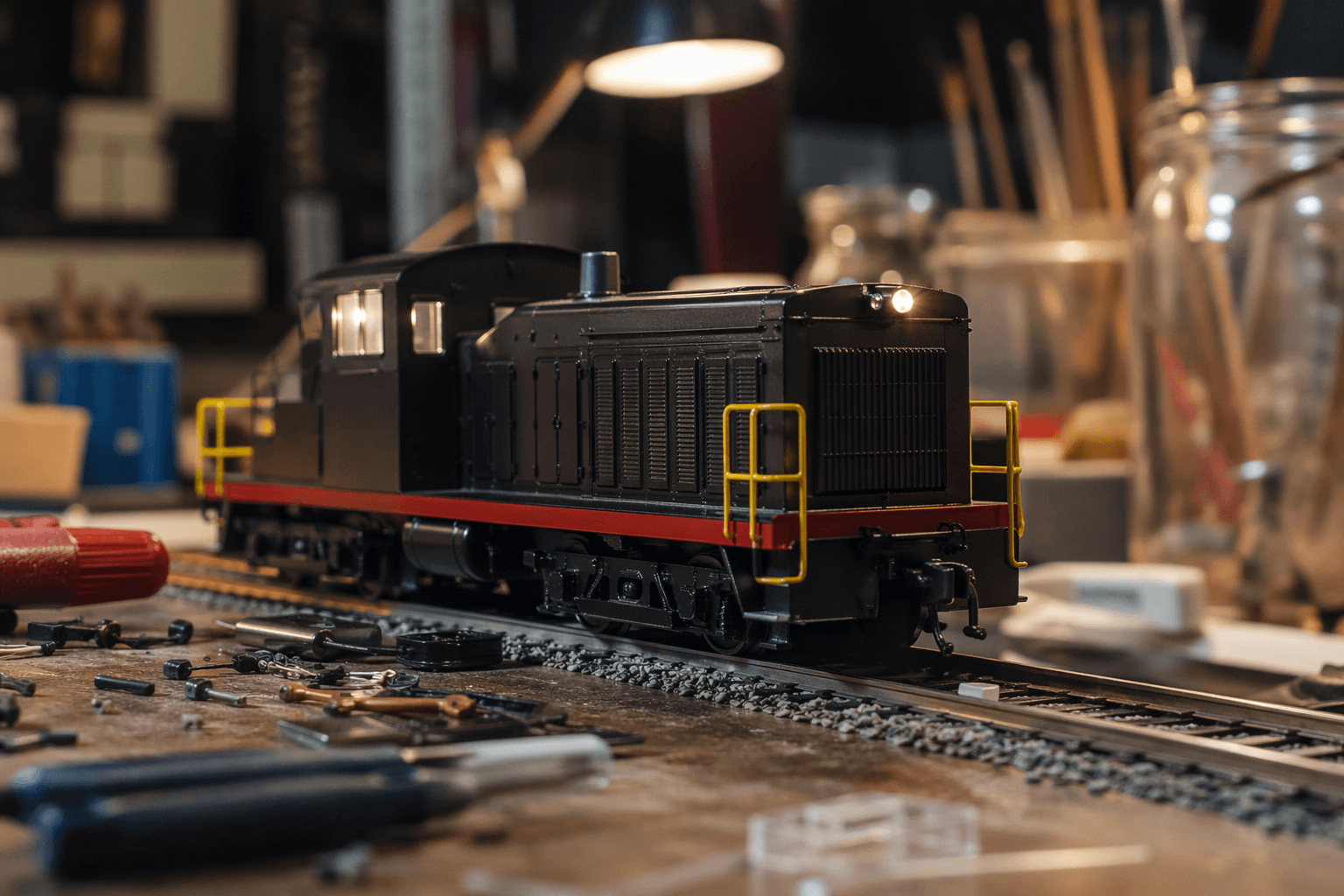
Walthers has refreshed its HO scale SW1 with factory sound, DCC-ready electronics and finer body detail, turning a small switcher into a more serious operating model for industrial layouts, yard jobs and first-time sound purchases. The latest Mainline run updates a locomotive last covered in 2014 and leans into the practical changes readers feel at the throttle: easier decoder installation, steadier low-speed handling and more convincing close-up appearance.
The standard DC version now includes a speaker and a 21-pin DCC connector, while the Sound & DCC version uses an ESU dual-mode decoder that runs on both DCC and DC layouts. Walthers’ current product details also list a 5-pole skew-wound high-torque can motor, 14:1 helical gears, warm-white LED constant and directional headlights, a heavy die-cast metal underframe and Proto MAX metal knuckle couplers. The body gets wire grab irons and photo-etched lift rings, the kind of parts that matter when the locomotive will spend as much time under a close work light as it does rolling past on the main.
That combination makes the SW1 feel built for the kind of layout work model railroaders actually do with switchers. On a compact terminal, a plant spur or a branchline scene, the focus is not speed but controlled coupling, smooth starts and enough weight to move cars without hunting around the rail. An earlier Walthers listing put the model at 11 ounces and said both front and rear trucks were powered, reinforcing that this is meant to pull, not just pose.
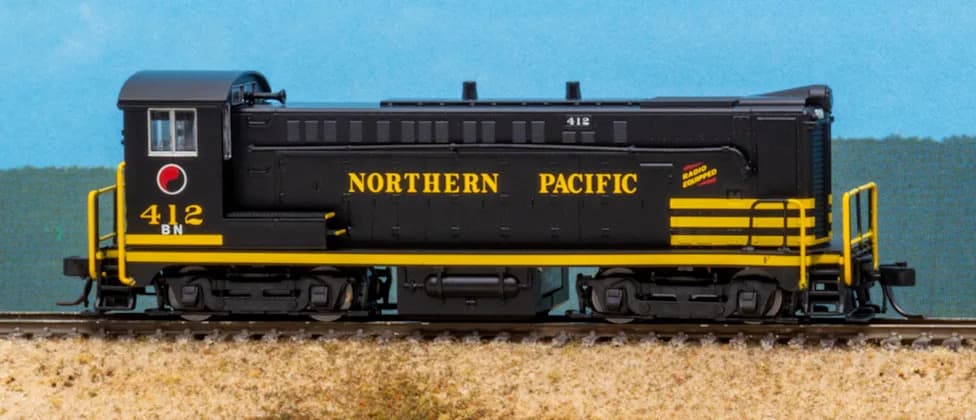
The prototype has the right pedigree for that role. Electro-Motive Division built the SW1 from December 1938 through November 1953, with 661 locomotives completed. Production paused during World War II, then resumed in 1946 at EMD’s Cleveland, Ohio plant. Walthers is offering the model as a one-time run in selected road numbers, including Milwaukee Road No. 975 and No. 1612, plus an undecorated version for modelers who want to paint their own. The Milwaukee Road connection still resonates, with the Milwaukee Road Historical Association preserving the railroad’s history and Milwaukee Public Library archives documenting its reorganizations, bankruptcy, acquisition by Soo Line Corp. in 1985 and merger into the Soo Line on January 1, 1986.

For operators building around a small footprint, that is the point of this SW1 release. It is still a compact end-cab switcher, but the updated electronics, heavier chassis and finer details make it the kind of HO locomotive that can do the work and hold up under inspection.
This article was produced by Prism’s automated news system from verified source data, official records, and press releases, then run through automated quality and moderation checks before publishing. The system is built and supervised by the people who set the standards it runs under. Read our full AI policy.
Did this article answer your question?