DNA reveals the secret history of mushrooms in Everett talk
DNA turned a mushroom talk in Everett into a lesson in humility, with Danny Miller showing how genetics can split look-alikes and challenge field IDs.
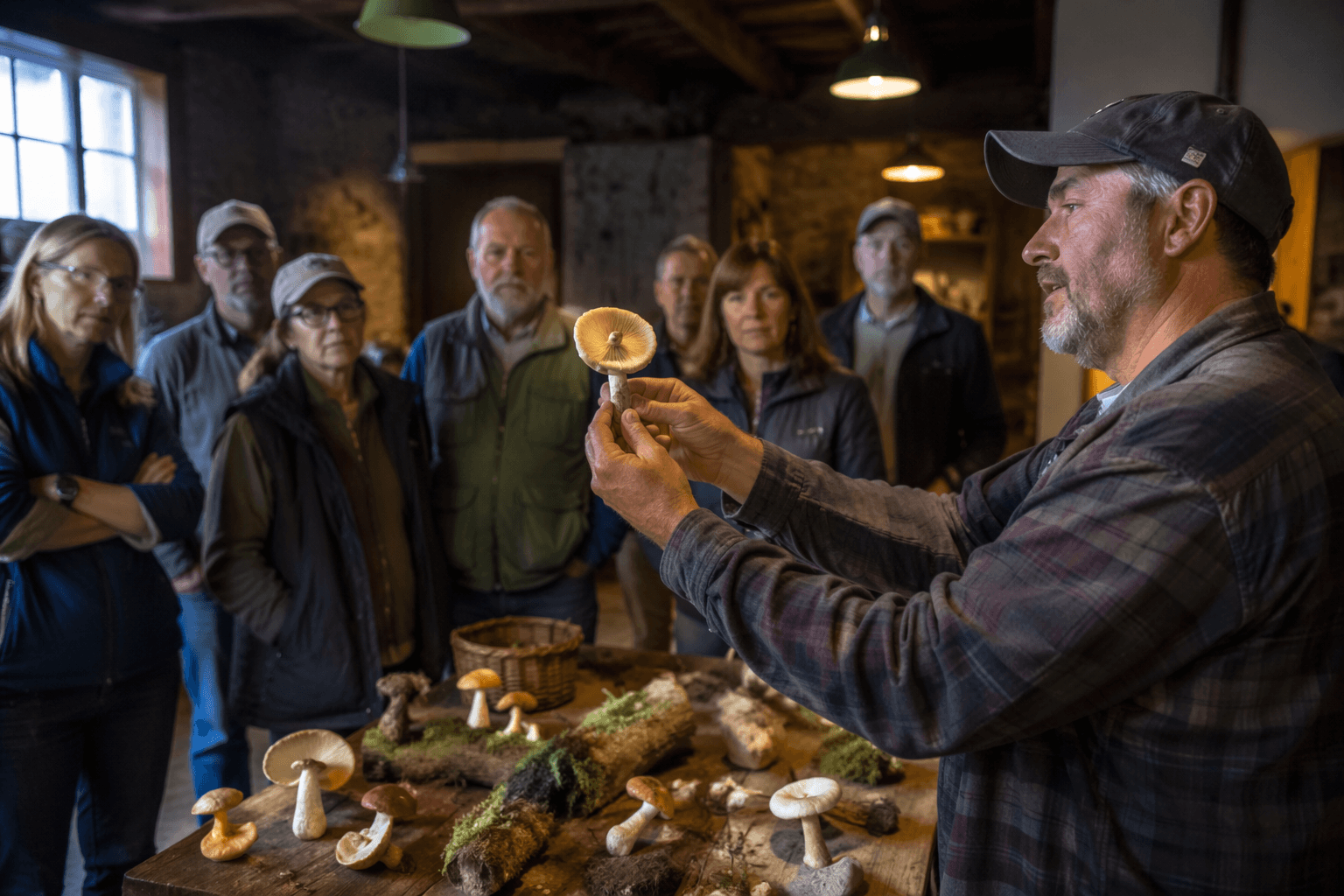
A mushroom walk can make you feel sure of yourself until DNA shows how many IDs were really educated guesses. At Everett Firefighters Hall, the Snohomish County Mycological Society brought Danny Miller in to talk about the hidden history behind those field marks, renamed species and look-alikes.
The event ran June 10, 2026, from 7:00 to 8:30 p.m. at Everett Firefighters Hall in Everett, Washington. SCMS framed the evening as “DNA: The Secret History of Mushrooms,” and its event page asked, “What are the biggest surprises that recent studies in DNA have shown us about the (until now) secret history of mushrooms on the planet?” Miller, whom the club said first got interested in mushrooms in 2007 after seeing “strange colourful creatures in the forest” while hiking and skiing off trail, led the presentation.

That focus matters because DNA has changed the way mycologists talk about mushrooms in the field. Recent reviews say identification is often blocked by morphological convergence, cryptic speciation and limited diagnostic traits, which is a polite way of saying two fungi can look nearly identical and still be different species. Sequence-based taxonomy has become important enough that some fungi are now known only from DNA. In practice, that means the old habit of trusting a cap color, stem bruise or gill spacing can get you only so far before genetics starts rewriting the map.
The talk fit squarely inside a club with deep local roots. SCMS says it was organized in late 1971, when Greta Wolff and others called a meeting that drew more than 75 people; Wolff became the group’s first president, and the club was incorporated as a nonprofit educational organization. Today, SCMS says its members share knowledge to help “the novice,” and it offers meetings, field trips, cultivation workshops and special events. The North American Mycological Association lists the society in Everett and says NAMA now has more than 90 affiliated mycological societies across the United States, Canada and Mexico.

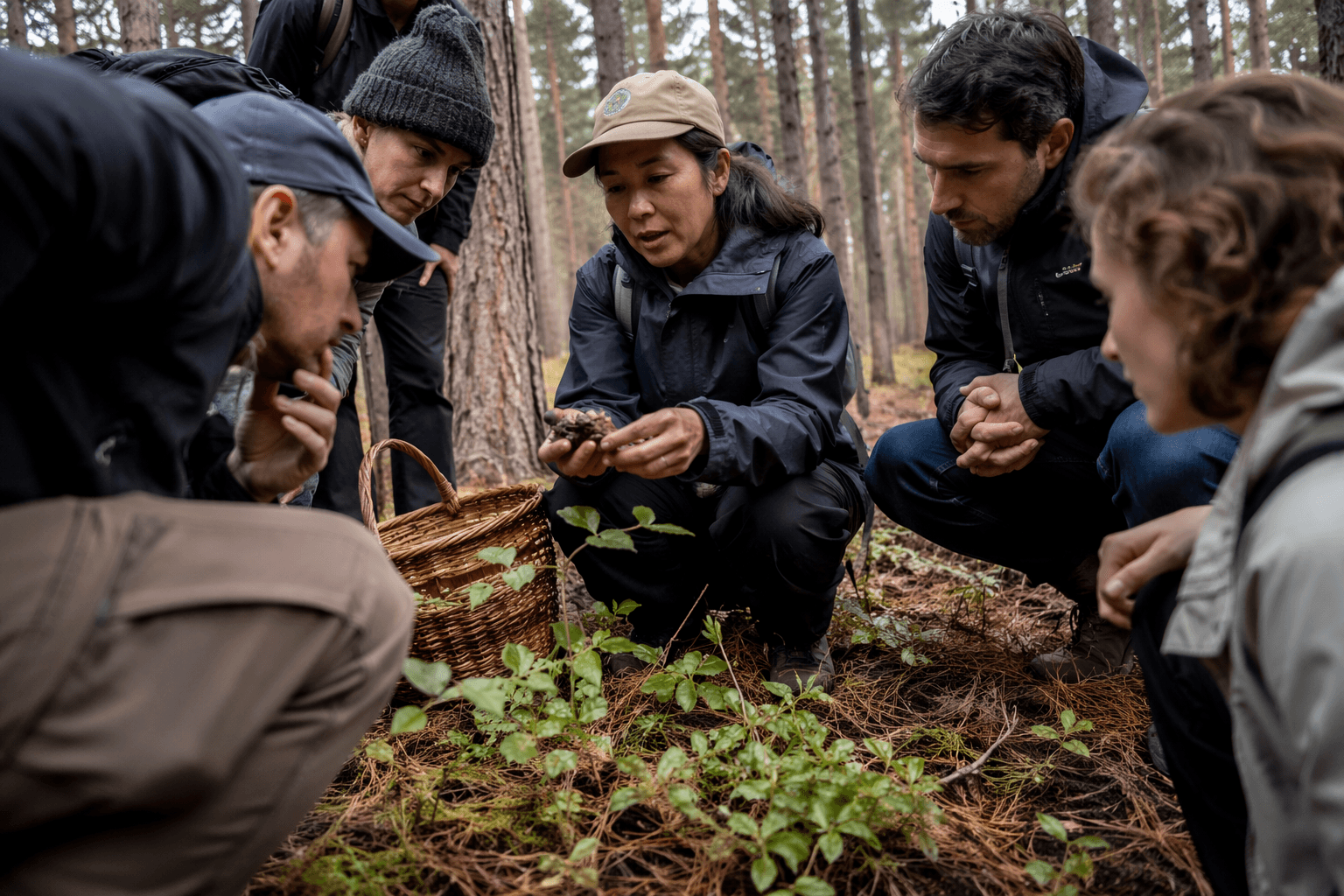
That public-science mission has shown up in the woods as well as the hall. In 2023, SCMS members were reported foraging at Lord Hill Regional Park, basket in hand, and KUOW described a club outing there with about 30 people, including first-time foragers. SCMS also lists Everett Firefighters Hall, 2411 Hewitt Ave., Everett, as its monthly meeting site. The DNA talk did not replace field ID, but it did put a sharper edge on it: modern mycology keeps rewarding curiosity, while reminding even experienced foragers that certainty in the field can be thinner than it looks.
This article was produced by Prism’s automated news system from verified source data, official records, and press releases, then run through automated quality and moderation checks before publishing. The system is built and supervised by the people who set the standards it runs under. Read our full AI policy.
Did this article answer your question?