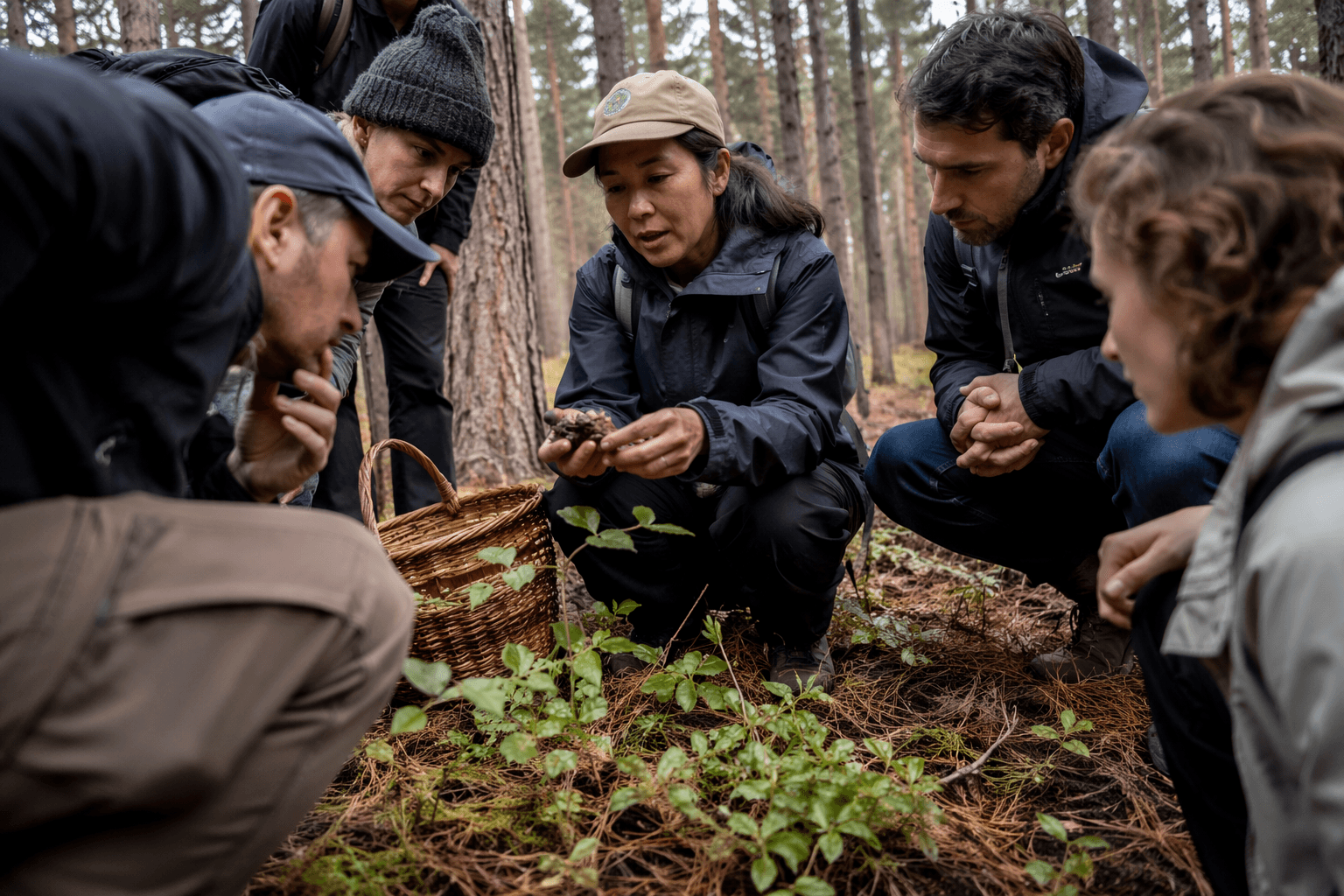
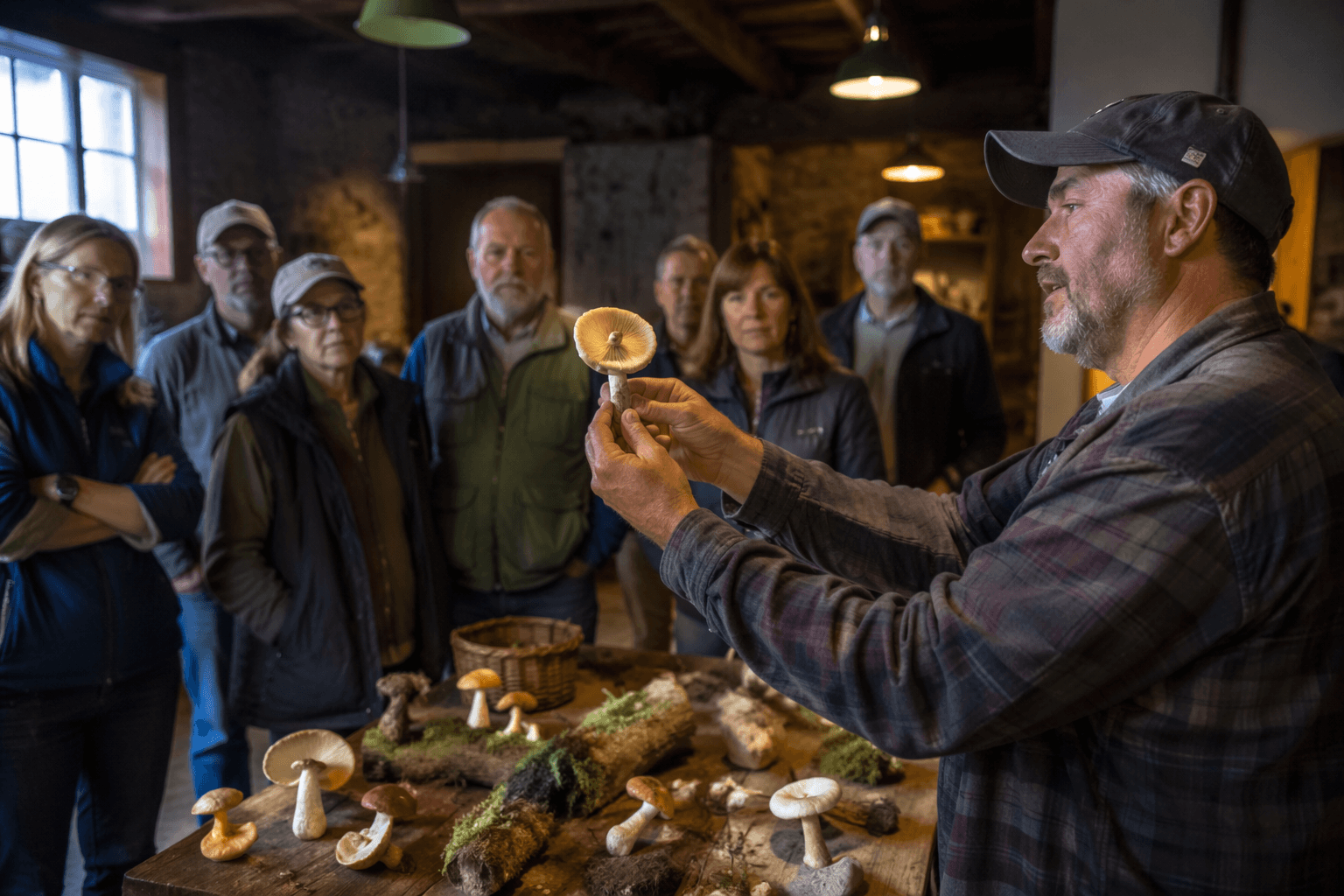
Golden oyster mushrooms escape cultivation and threaten native fungi
Golden oyster mushrooms are a grow-kit favorite, but once they escape into woods they can slash native fungal diversity. Foragers should treat spent substrate and outdoor logs as a spread risk, not garden waste.
%3Afocal(1920x1207%3A1921x1208)%2Fhttps%3A%2F%2Ftf-cmsv2-smithsonianmag-media.s3.amazonaws.com%2Ffiler_public%2Ffd%2Fcf%2Ffdcfe537-30cd-4ad7-a47f-4079b6768689%2F50557238522_ff2ea097b3_o.jpg&w=1920&q=75)
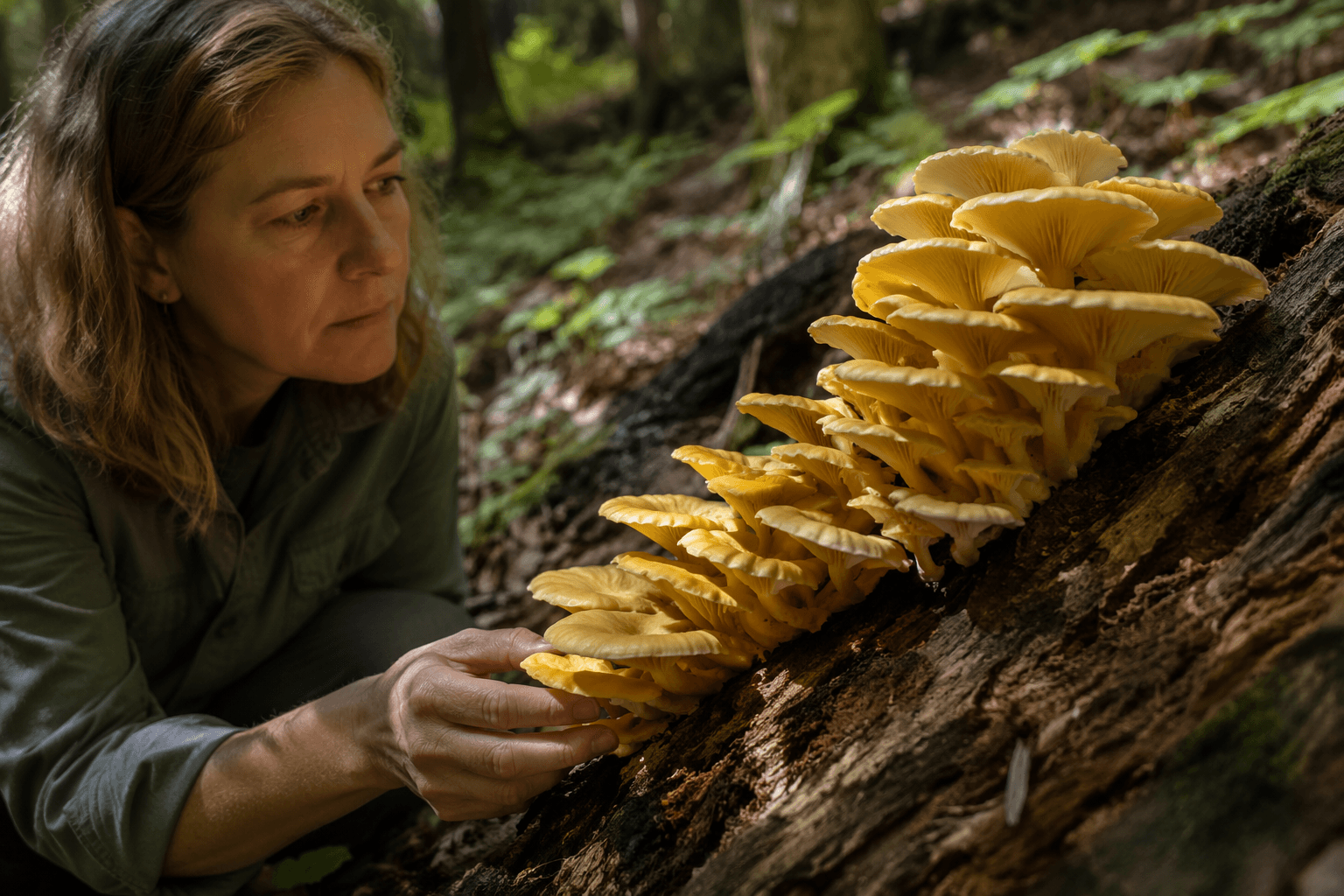
On dead elm trees in south-central Wisconsin, golden oyster mushrooms cut fungal biodiversity about in half, a 2025 study found. Pleurotus citrinopileatus brings sunny yellow caps, a nutty flavor, and a reputation for forgiving home cultivation, but that same popularity has helped send it beyond the grow room and into forests where it can push out native fungi.
Why this mushroom is different from a normal find
Golden oyster is native to eastern Asia, but it was imported into North America in the early 2000s and escaped into North American forests around 2010. By the time of the study, researchers had recorded it in 25 U.S. states and one Canadian province, with early wild observations appearing in community-science databases in 2013, 2014, and 2015. Wisconsin’s first wild observation dates to 2014.
The field ID starts with the obvious: those bright yellow clusters are not a random oyster mushroom lookalike, they are the species many growers prize for their color and kitchen value. In the foraging world, that means the same mushroom can still be a good meal while also being a bad neighbor.
What the Wisconsin study found on dead elm
The 2025 paper focused on dead elm trees in south-central Wisconsin. In summer 2022, the researchers collected wood shavings from 26 dead elm trees in local forests to see what lived there with and without golden oyster.
Native fungi break down dead wood and other plant material, recycle carbon and nitrogen, support soil formation, and help create habitat that feeds into the rest of the forest web, from seedlings to birds, mammals, insects, and countless other organisms. When a wood-decay fungus dominates that space, forests process wood differently and less room remains for other fungal species to do their work.
The study also points to a larger pressure point: climate change may let golden oyster spread even farther. If warming conditions help the species expand, the same bright mushroom that looks harmless in a grow tote may keep finding new dead wood to colonize across the Midwest and beyond.
How it got loose in the first place
No one route explains the escape. The mushroom could have spilled into the wild from a grow kit, a mushroom farm, or inoculated outdoor logs, and that uncertainty is part of the warning. Any ordinary act that moves a species from a controlled setting into open habitat can become the start of a larger problem once the fungus finds the right dead wood.
That is why the old habit of treating spent substrate like harmless compost deserves a second look. If you are growing golden oyster at home, don’t dump used blocks, straw, sawdust, or colonized logs in brush piles, woods, or anywhere spores and fragments can spread. Keep spent material contained and dispose of it through a system that does not let the fungus spread.
How to handle it if you already grow it, or find it naturalized
- Do not dump spent substrate outdoors.
- Do not leave colonized logs where they can keep fruiting outside managed space.
- Do not assume a backyard patch stays a backyard patch.
- If you see it wild, document it instead of moving it.
If you keep golden oyster in your setup, think in terms of containment, not convenience. The cleanest practice is simple:
Foragers who spot it naturalized should treat the sighting as useful data. Citizen observations helped document the spread, and platforms such as iNaturalist and MushroomObserver have been part of that record. A clear photo, location, and date can help track where the mushroom is establishing itself, especially in places like Wisconsin and the broader Great Lakes and Midwest region.
Harvesting the fruiting bodies is not the same thing as solving the invasion, but it is better than helping a patch go unrecognized. If the mushroom is already naturalized in your area, take the edible mushrooms only if you are certain of the ID, and leave no colonized waste behind.
Why the caution sounds familiar
Mycologists and experienced foragers have seen this pattern before. Anne Pringle has stressed that people are quick to grasp invasive plants, but slower to accept that fungi have biogeography too, and that moving them around can be harmful. Aishwarya Veerabahu has framed the issue around what happens when dead wood starts turning over faster, because that change affects habitat as well as carbon.
There is also a hard historical parallel. Dutch elm disease reached North America in 1930 through infected elm logs imported from Europe, and it became the kind of fungal introduction people never forget once they have watched a landscape change. Golden oyster is not the same organism, but it is another fungus moved for human purposes and then established in the places where it landed.
This article was produced by Prism’s automated news system from verified source data, official records, and press releases, then run through automated quality and moderation checks before publishing. The system is built and supervised by the people who set the standards it runs under. Read our full AI policy.
Did this article answer your question?