June foraging workshops spotlight mushrooms, wild harvesting and identification
June’s packed foraging calendar turns mushroom learning into a community practice, from field IDs and ethics to Pride walks and BioBlitzes.

Four Season Foraging’s June calendar makes one thing plain: mushroom learning works best when it happens in the field, with other plants, other people, and a guide who knows the local woods. The month is built less like a one-off class schedule and more like a ladder, starting with a classic forest walk and stretching into Pride outings, citizen-science bioblitzes, and broader wild-edibles sessions that keep sharpening the same core skills.
A month built around field instinct
That approach fits Four Season Foraging’s own origin story. The company was founded in 2017 by Minneapolis resident Maria Wesserle, who says she has gathered wild edibles since 2004 and has spent more than 15 years organizing and teaching foraging programs in the Upper Midwest. That kind of background matters because mushroom competence is rarely built in a classroom alone. It comes from repeating the same habits in different habitats, learning what a patch looks like before you kneel into it, and getting comfortable with the difference between a promising find and a guess.
The June calendar leans hard into that philosophy. Instead of isolating mushrooms as a niche topic, it folds them into a wider culture of wild harvesting, identification, ethics, and community outings. That is exactly the sort of programming that helps a newer forager move from curiosity to actual field judgment.
June 14: a real mushroom lesson, not just a nature walk
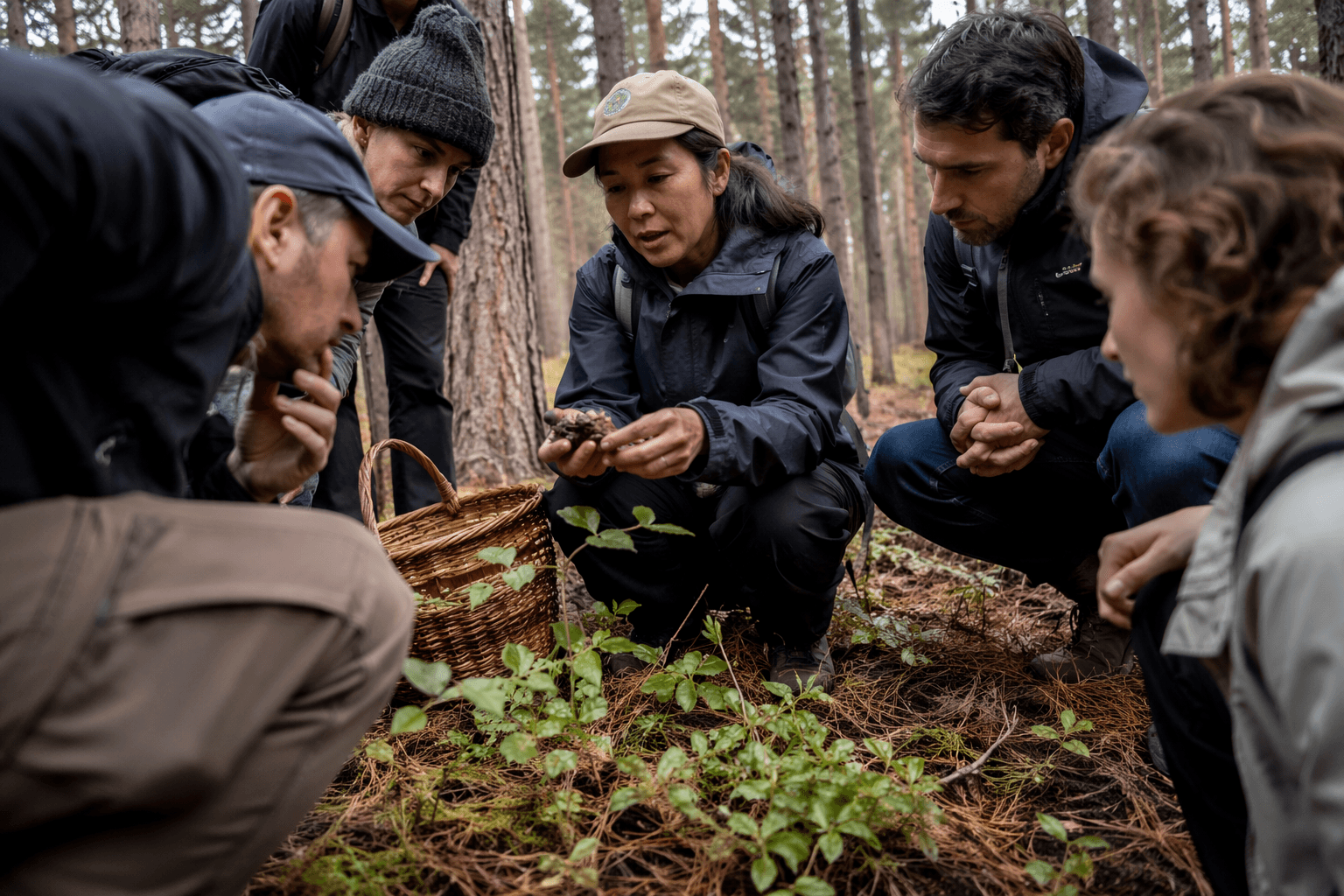
The clearest mushroom-focused entry is the Forest Foraging workshop on Sunday, June 14, from 10:00 a.m. to 1:00 p.m. Maria Wesserle leads the trip into the countryside, and the description makes the educational scope obvious: participants learn wild harvesting of plants and mushrooms in rural areas, with discussion of laws and ethics around foraging, identification, harvest, and preparation of edible species.

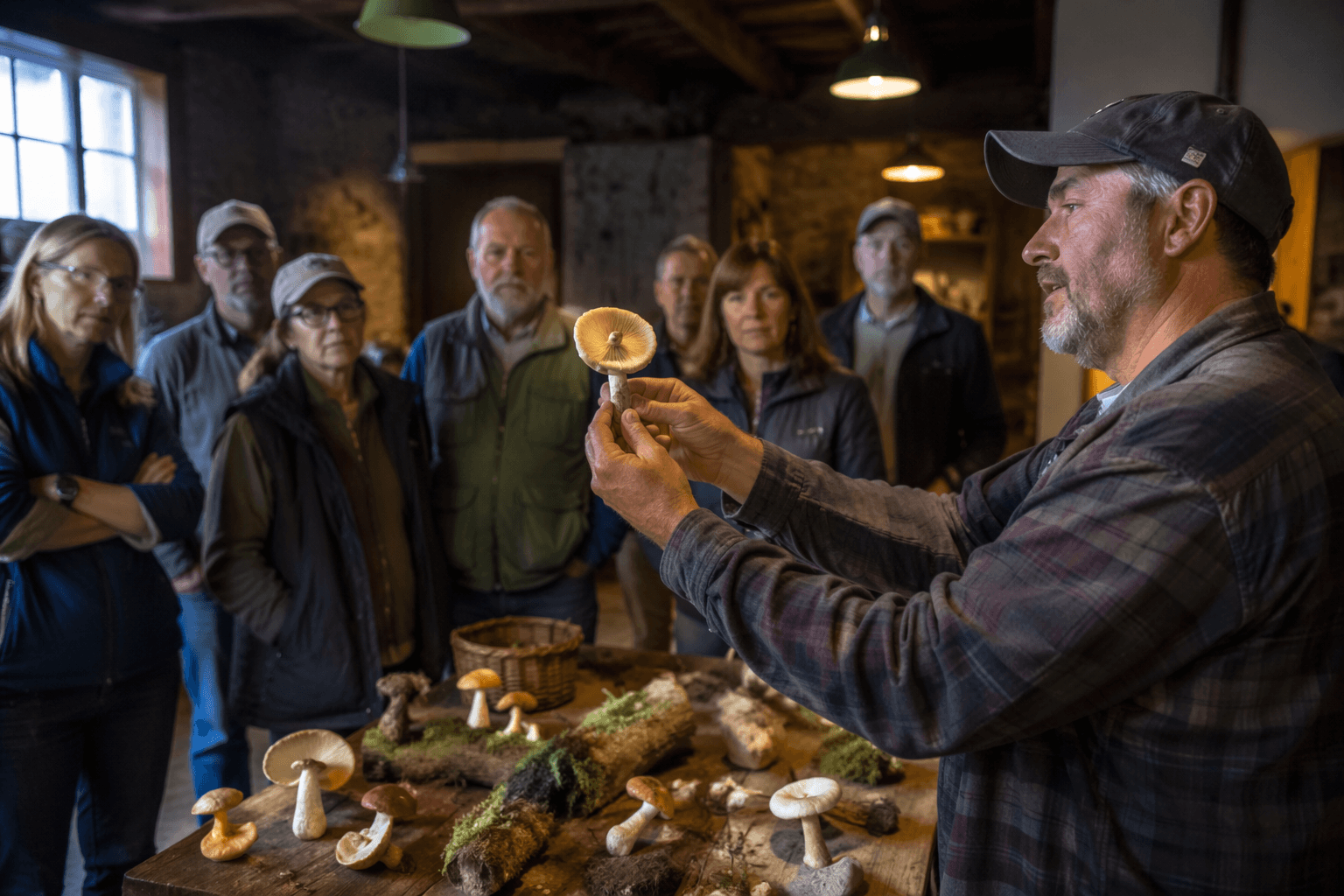
The fungi named for the outing are the kind people actually want to find: oysters and chicken of the woods. The event also says attendees may even get to harvest some mushrooms, depending on conditions. That last clause is the part experienced foragers will recognize immediately. No serious walk can promise a basket full of mushrooms on command, because weather, timing, and habitat do most of the deciding. A good workshop teaches you how to read those conditions, not how to expect a guarantee.
For anyone trying to build true mushroom knowledge, this is the format to seek out. It connects species ID with harvesting decisions and food handling, which is the real pipeline in the field. You are not just naming a fungus. You are learning whether it should be picked, how it should be handled, and what the legal and ethical frame around it looks like.
June 16: Pride Month, social learning, and mixed-skill observation
The June 16 Nature Gays in the Woods outing broadens the picture. Led by Maria Wesserle, Tanner Barnharst, Haleigh from Wide Eyed Outside, and Ash O’Neill, the Pride Month event welcomes LGBTQIA+ participants and their friends and family. It was listed as full, which tells you something important about the appetite for inclusive, welcoming nature programming.
This is not a pure mushroom class, and that is why it matters. The description includes plants and mushrooms that may be found, including wood nettle, Virginia waterleaf, oysters, chicken of the woods, and more. That mix turns the outing into a social foray with real observational value. You get the benefit of group scanning, shared vocabulary, and the kind of low-pressure habitat reading that helps newer foragers notice what is underfoot without feeling like they are being tested every step of the way.
For readers who are still early in the learning curve, mixed-skill outings like this can be better than narrowly technical classes. They build the habit of looking closely, comparing notes, and noticing how mushrooms sit inside a broader plant community. They also reinforce that foraging culture is not just about extraction. It is about belonging, stewardship, and learning to move through an ecosystem with other people.

The calendar as a progression, not a one-off
The rest of the month pushes that same pattern forward. On June 20, Maria Wesserle is scheduled to lead plant identification walks during Lake Hiawatha BioBlitz, tying foraging education to citizen science and biodiversity recording. That is a very different format from a mushroom workshop, but it trains one of the most useful foraging muscles there is: observation under real conditions, with an eye for detail and context.
Then the calendar keeps going into July with more wild-food programming. On July 9, Summer’s Wild Edibles is set to teach about wild plants and mushrooms that thrive locally. On July 11, Foraging Through the Seasons will cover forests and fields, tasty plants, fruits, and maybe even some mushrooms, along with sustainable harvesting and preparation. Taken together, these sessions make it clear that Four Season Foraging is not teaching mushrooms as an isolated hobby. It is teaching a seasonal way of paying attention.
That matters because mushroom ID gets better when it is practiced alongside plant ID, habitat reading, and harvest ethics. If you only show up for a single mushroom class, you may leave with names. If you keep showing up for walks, bioblitzes, and mixed foraging outings, you start building the mental map that tells you where you are, what is likely to fruit there, and how to behave once you find it.
What Wisconsin rules add to the picture
The local legal frame reinforces the same lesson. The Wisconsin Department of Natural Resources says people may pick edible fruits, edible nuts, wild mushrooms, wild asparagus, and watercress by hand for personal consumption in Wisconsin state parks. It also warns that some mushrooms are edible while others are deadly and difficult to distinguish. In Wisconsin state forests, the DNR likewise allows personal-use gathering of wild mushrooms by hand.
That combination of permission and caution is exactly why guided field education has value. The rules do allow personal gathering, but they do not make the woods simple. Mushrooms are still the category where a casual mistake can turn serious fast, and that is why learning law, ethics, and ID habits together is smarter than chasing a basket first and asking questions later.
How to choose the right format for your level
If you are just starting out, the best entry point is a guided forest foraging workshop like the June 14 outing, where mushrooms are taught alongside harvesting, preparation, and legality. If you already know a few common edibles and want more time in the woods, a mixed-skill event like Nature Gays in the Woods can sharpen your eye without turning the day into a quiz. If you want to level up your field awareness even further, a BioBlitz or seasonal wild-edibles walk gives you repeated exposure to habitats, timing, and species overlap.
That is the real story of June’s calendar. The mushroom lesson is not sitting in one class by itself, waiting for people to arrive. It is spread across a community ecosystem of workshops, walks, and field outings that keep teaching the same habit from different angles: look closely, know the rules, trust the habitat, and learn the fungi in context.
This article was produced by Prism’s automated news system from verified source data, official records, and press releases, then run through automated quality and moderation checks before publishing. The system is built and supervised by the people who set the standards it runs under. Read our full AI policy.
Did this article answer your question?