National morel champion Anthony Williams guards his secret hunting spots
Anthony Williams shares the rules of morel hunting, but not the patches. That split between teaching and guarding ground is the real secret under Michigan's spring mushroom rush.
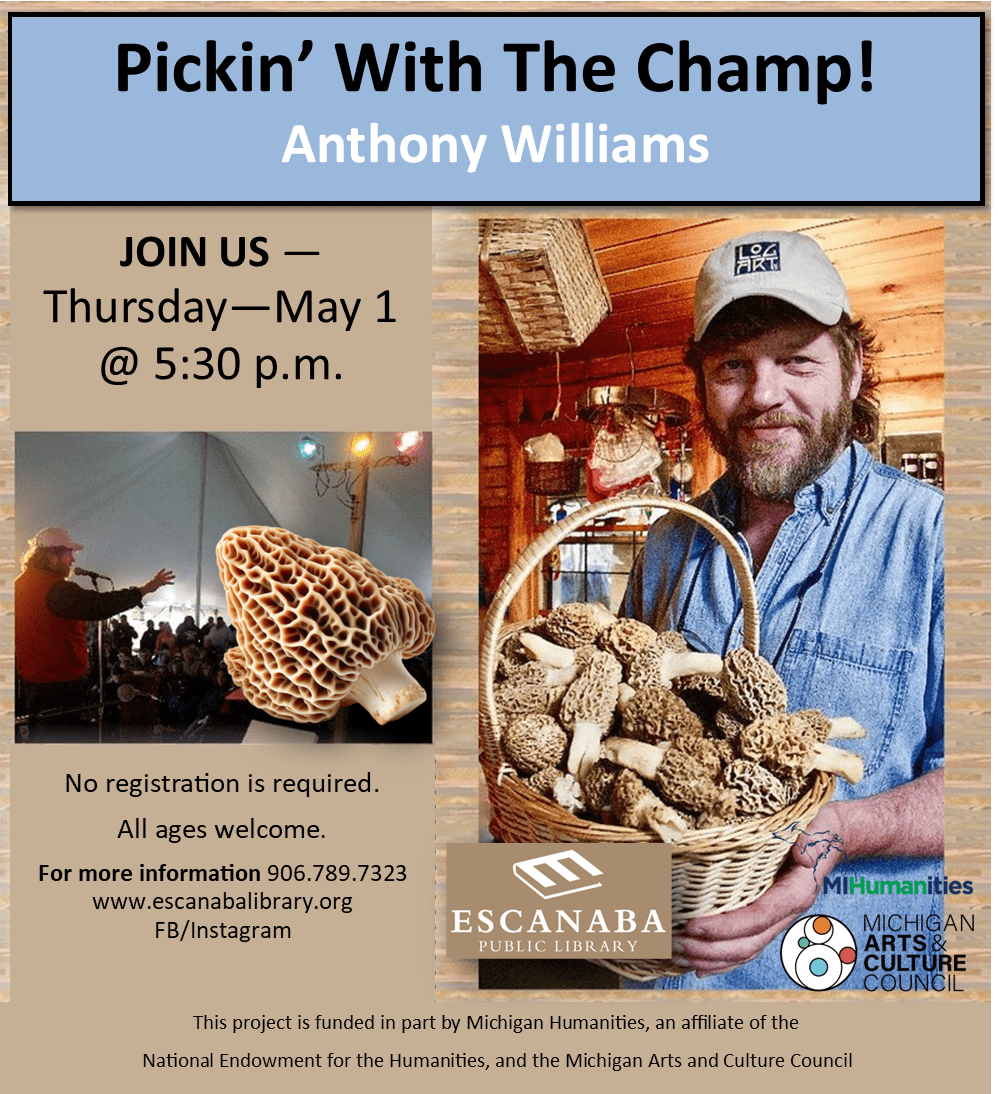
Anthony Williams keeps his best morel spots to himself, and that restraint is part of the culture. In a June 23, 2026 Points North episode from Interlochen Public Radio, his story lands as more than a profile of a champion picker. It becomes a lesson in how mushroom knowledge moves through the Great Lakes, what gets passed down freely, and what stays locked in a hunter’s head.
A champion built before apps
Williams did not become a legend in the age of crowd-sourced pins and mushroom maps. The public record around him points back to a much older world, one built through newspaper clippings, library talks, festival stages, and repeated seasons in the woods. Local event listings describe him as the winner of the National Morel Hunting Championship five years in a row, and those same materials say he later became the National Morel Festival’s “Expert in Residence.”
That reputation fits the family story around him. Institutional listings say the Williams family has been picking morels in Northern Michigan since the 1890s, which makes his authority feel less like a brand and more like inherited field time. Event materials also put his own experience at about 70 years of picking, with more than 20 years spent giving his “Picking with the Champ” seminar at libraries and festivals in Michigan and beyond.
What he teaches, and what he keeps
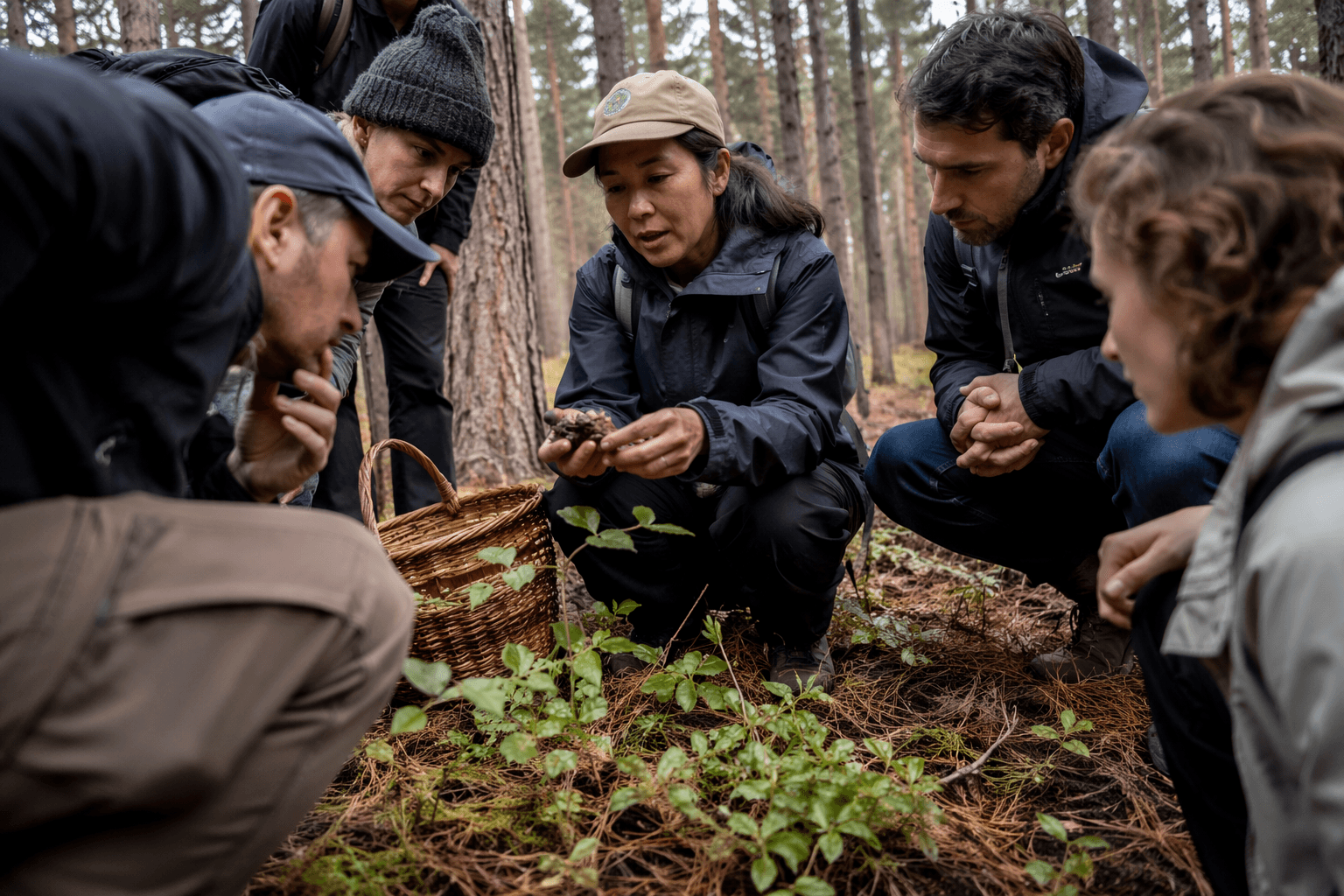
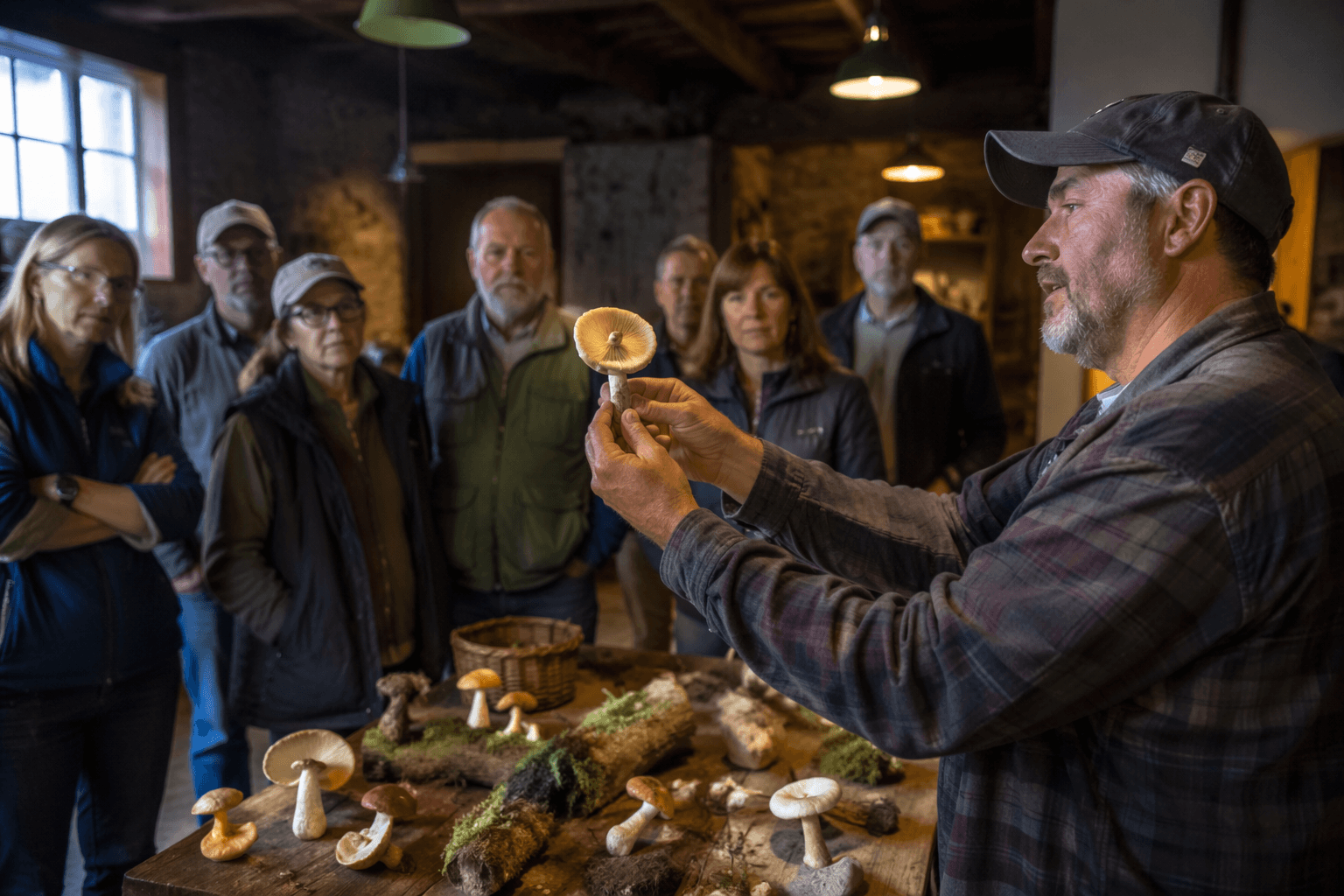
The useful part of Williams’ example is that he does not treat mushroom knowledge like a magic trick. He shares the broad stuff: how to look for morels, how to collect them, and how to store them once you have them. That is the part new foragers actually need, because it turns a vague spring obsession into a repeatable field habit.
But he draws a hard line around exact locations. He returns to the same places year after year, and he does not hand those places out. That is not stinginess for its own sake. In morel culture, secrecy is part of the ethic, part of the competition, and part of the fun, especially when a patch can turn into a story that gets repeated for decades.
If you want to learn without stepping on that boundary, start where Williams himself built his public reputation: in talks, seminars, and community presentations, not in someone else’s patch notes.
- Learn the habitat, not just the hype.
- Ask for identification guidance, not GPS coordinates.
- Pay attention to what the woods are doing in that stretch of spring.
- Treat a private patch like private property, even when the road is public and the enthusiasm is not.
The rules that still matter in the woods
Michigan’s own foraging guidance keeps the focus where it belongs: morels are among the wild foods that can be harvested on some public lands, but foragers still need to know what is permitted and what is safe to take. That is the basic line every serious picker learns sooner or later. Public land is not the same as free-for-all land, and a mushroom that looks right is not automatically a mushroom you should eat.
The state’s food-safety side is even sharper. On May 5, 2026, the Michigan Department of Agriculture and Rural Development said wild-foraged mushrooms sold in Michigan must be inspected and found safe by a certified mushroom identification expert before sale. That requirement does not just protect buyers, it underlines how much expertise sits behind a simple-looking basket of mushrooms.
False morels are the other reason the caution hangs in the air. Michigan health guidance warns that they can cause severe illness and hospitalization, which is enough to turn a casual spring outing into a real safety issue. In other words, this is not just a folk tradition with a basket and a knife. It is a food safety problem if you get the identification wrong.
Why the secrecy survives
The Points North episode works because it shows how old and new mushroom culture overlap. Williams’ name was built in the print era, and the archive image on the episode page uses newspaper clippings to make that point plain. Before apps, before algorithmic mapping, before every hobby had a searchable feed, reputation came from repeated sightings, local coverage, and the people who showed up to teach in person.
That is also why the secrecy still holds in the Midwest. The Great Lakes morel season is not just about food. It is about memory, family routes, public lands, and the unwritten code that says the knowledge you share has a public layer and a private layer. Williams has spent decades standing in the public layer, explaining the when, where, and how of picking morels, while keeping the exact places for himself.
That split is what makes his story bigger than one hunter. It is a small cultural map of how foraging works in Michigan, from Northern Michigan family tradition to library seminars, from championship circuits to state warnings about what can and cannot be sold or eaten safely. The point is not to crack the code and steal the patch. The point is to learn the craft well enough to earn your own ground, and to know why some of the best mushroom knowledge stays hidden in the first place.
This article was produced by Prism’s automated news system from verified source data, official records, and press releases, then run through automated quality and moderation checks before publishing. The system is built and supervised by the people who set the standards it runs under. Read our full AI policy.
Did this article answer your question?