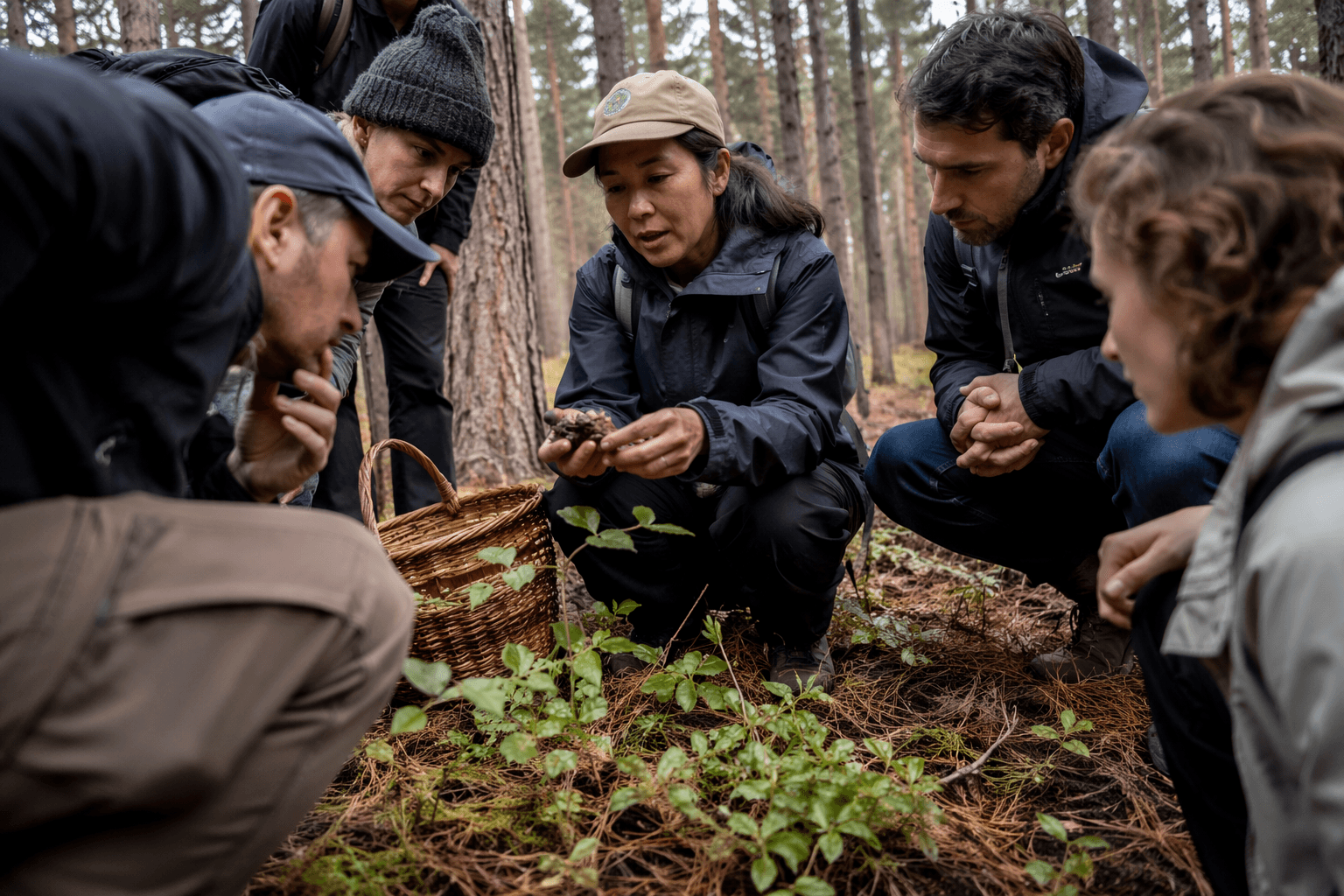
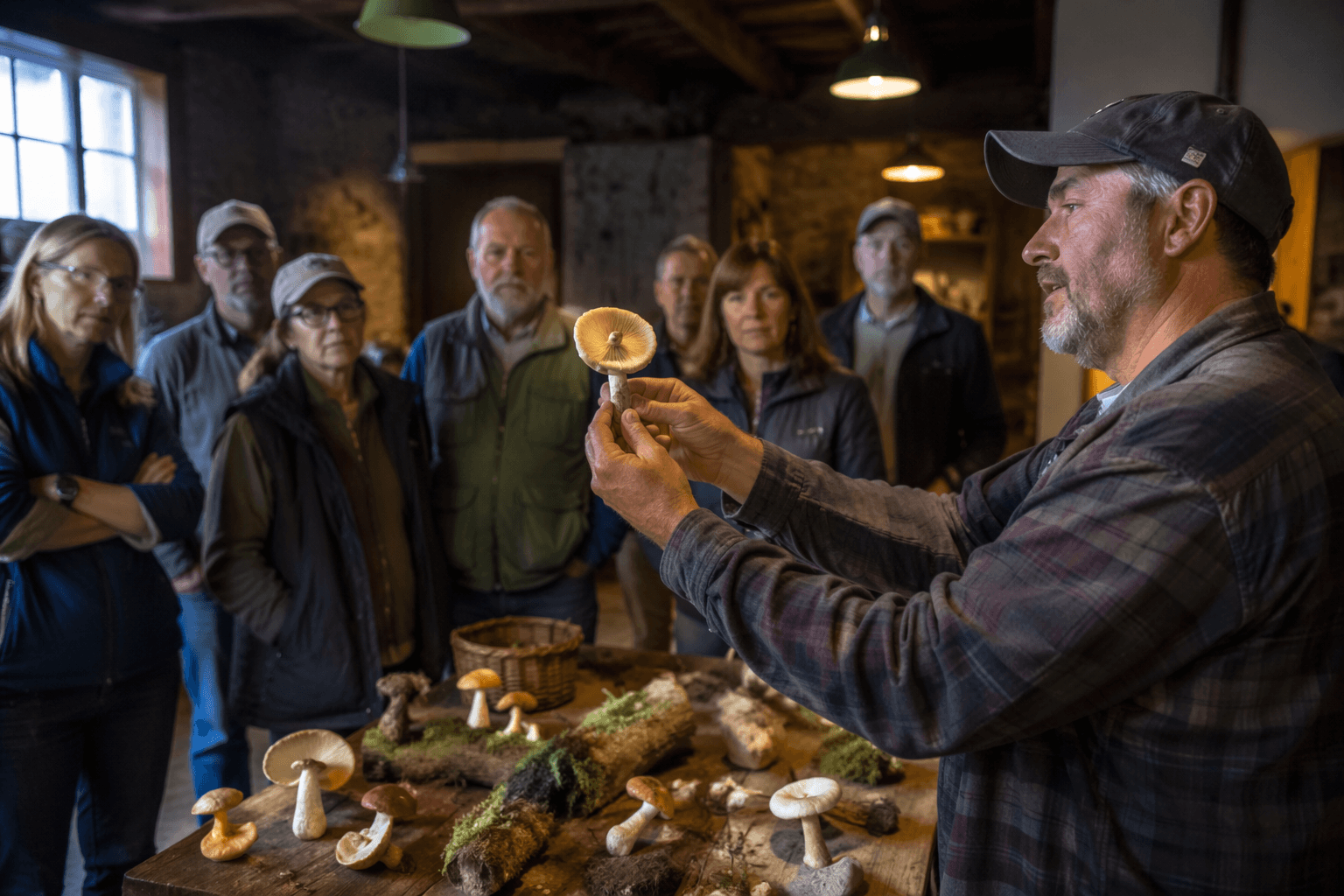
New Hampshire workshop teaches coastal foraging and wild mushroom basics
New Hampshire is folding mushroom basics into a Seacoast wild-edibles class that ends with harvested glasswort and a jar of quick-pickled greens.
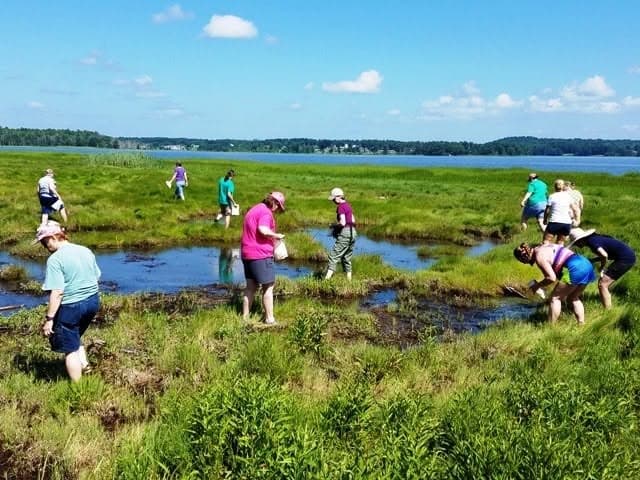
New Hampshire Fish and Game is using a coastal foraging workshop to bring mushroom-curious beginners in through the side door. The July 11 Seacoast Wild Edibles class will give women 18 and older a short classroom overview of wild mushrooms, then move quickly to the salt marsh, where the real lesson is how to recognize, harvest and prepare edible plants from the New Hampshire coast without pretending a single day can make anyone a mushroom identifier.
Registration opens June 22 for the $85 workshop, which is capped at 20 participants and runs from 9 a.m. to 3 p.m. at the Great Bay Discovery Center in Greenland. That matters for newcomers because the day is built as an on-ramp, not a deep dive: Fish and Game says the mushroom portion is only a brief overview and, just as important, it is not a mushroom identification course.
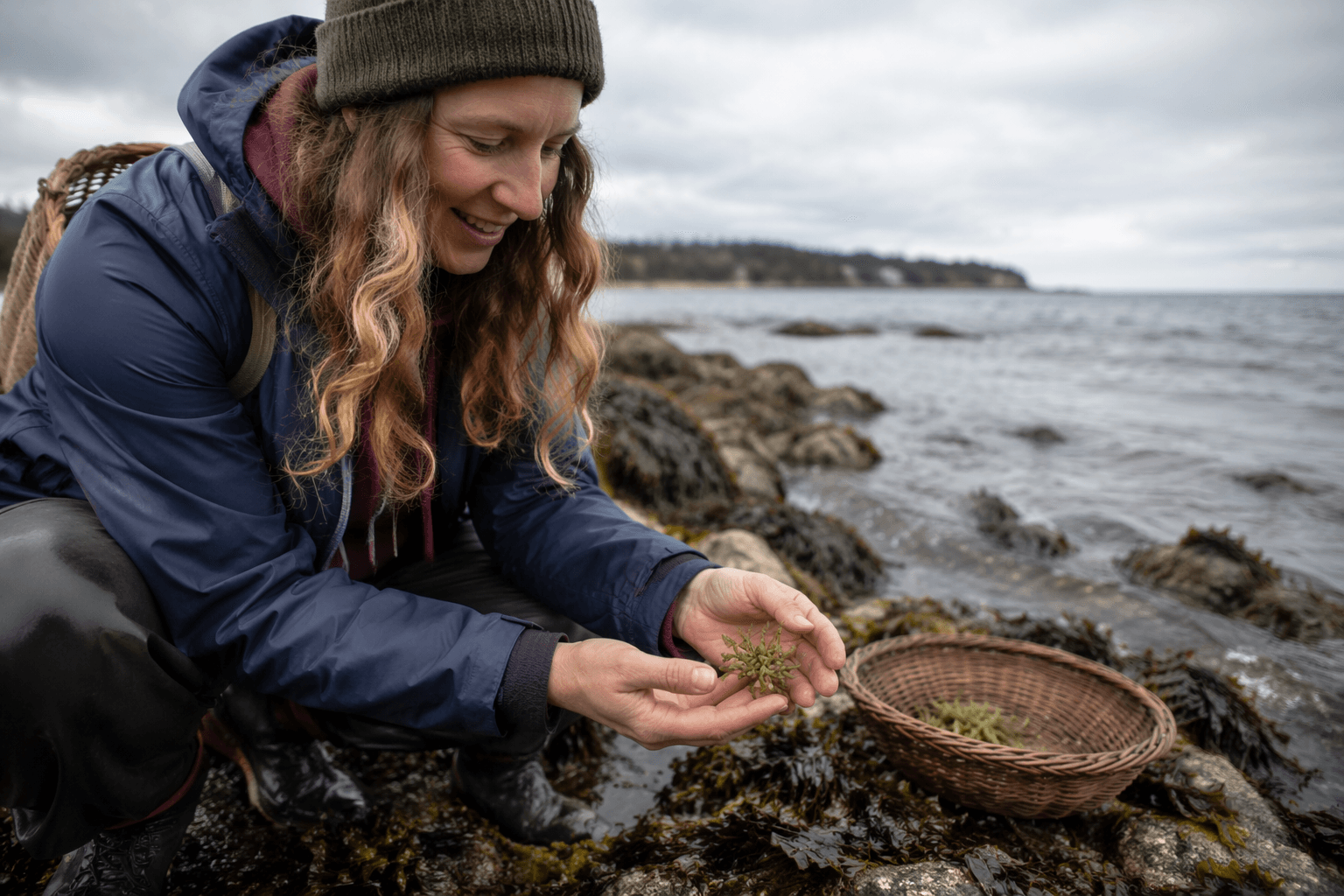
The structure makes sense for the Seacoast. After the classroom session, participants will head to the boardwalk and salt marsh to harvest glasswort, learn about other edible coastal species, and spend much of the day processing and preparing wild foods. The menu can include glasswort, periwinkles, crab species, oysters, squid, seaweed and other seasonal or special seafood guests. Each participant will also leave with a jar of quick-pickled glasswort, which is the sort of concrete takeaway that makes a beginner workshop feel useful the next time they step into the tidal zone.
For mushroom hobbyists, the value is in the framing. The class treats fungi as part of a bigger coastal edible system, not as a shortcut to unsafe foraging. That caution lines up with New Hampshire guidance: University of New Hampshire Extension says safe wild mushroom harvesting starts with thorough identification knowledge and care, while the state Department of Health and Human Services warns that many edible mushrooms have poisonous look-alikes and says its images are not meant to be the sole reference for identification. UNH Extension also notes that only licensed wild mushroom harvesters can legally sell wild mushrooms to New Hampshire food establishments.
The workshop sits squarely inside the broader NH Becoming an Outdoors Woman program, which has supported women in New Hampshire outdoors since 1995 and says no experience is necessary. It is co-sponsored by Fish and Game and the New Hampshire Wildlife Federation, and the Great Bay Discovery Center campus itself is a practical fit: headquarters of the Great Bay National Estuarine Research Reserve, free to the public and open daily from dawn to dusk. For anyone who has wanted a low-pressure introduction to coastal edibles without jumping straight into mushroom overconfidence, this is exactly the kind of first step that lowers the barrier.
This article was produced by Prism’s automated news system from verified source data, official records, and press releases, then run through automated quality and moderation checks before publishing. The system is built and supervised by the people who set the standards it runs under. Read our full AI policy.
Did this article answer your question?