Summer foraging brings boletes, chanterelles, and deadly Amanitas
Summer woods reward fast feet and sharper eyes: boletes and chanterelles pop after storms, but Amanitas make guesswork dangerous.

A soaking thunderstorm can kick off a flush of boletes and chanterelles a few days later. Once the heat turns up, the woods start producing a different cast of characters, and the field rules tighten fast: watch the weather, move early, and stop trusting a long species list more than your eyes, nose, and knife.
Summer changes the game
Summer brings abundance and danger together. King boletes, porcini, chicken of the woods, golden chanterelles, and lobster mushrooms all belong in the conversation, but the real lesson is that the calendar matters less than the pattern of rain, heat, and humidity. The same sticky weather also speeds up decay and insect damage.
Summer foraging is less forgiving than spring morel hunting. Mushrooms can go buggy very quickly, so you do not wait around once you find a good patch. The practical move is to harvest early, check stems for insect tunnels, and carry water and protective clothing so the day does not turn into a slog in the heat.
Read the habitat before you read the book
The best summer foragers narrow possibilities by habitat first. Chanterelles are ground mushrooms, often found in hardwood woods, while boletus and porcini point you toward forested ground, especially under conifers. Chicken of the woods is a shelf fungus on wood, and that single fact does a lot of work in the field because it immediately separates it from look-alike gilled mushrooms growing from soil or logs.
Mycorrhizal behavior matters too. Chanterelles in the genera Cantharellus and Craterellus form symbiotic relationships with living host trees, which is why you keep looking in the right woods instead of treating them like random roadside fruiters.
Know the edible cues, not just the names
Chanterelles are one of the easiest summer prizes to mistake if you are careless, so the field marks matter. They have blunt false gills and a fruity, apricot-like odor, unlike the poisonous jack-o’-lantern mushroom, which grows in clusters on wood and has true gills.
Porcini and other boletes need their own discipline. Boletus edulis fruits from June through October and is edible and choice, with the thick stem and pore surface that separate it from gilled mushrooms. The tell you want is the classic bolete profile: pores instead of gills, a stout stem, and often a reticulated stem top on porcini. If the mushroom does not fit that structure cleanly, walk away.
Chicken of the woods is simpler in one sense and trickier in another. Bright orange and sulfur-yellow shelves on wood are hard to miss, but you still need to inspect freshness and texture before you commit it to the basket. Summer heat can turn a promising bracket tough, dry, or insect-riddled faster than you expect, which is why the advice to harvest early is not optional.
Amanitas make summer dangerous
The summer woods are not just full of edibles. They also hold the deadliest Amanitas, and that is where casual guessing gets people hurt. Amanita species account for 90 percent of mushroom-related deaths, the Missouri Department of Conservation warns.
Public-health warnings make the risk plain. The Centers for Disease Control and Prevention estimated 1,328 emergency department visits and 100 hospitalizations were associated with accidental poisonous mushroom ingestion in 2016. More recently, the CDC documented a northern California amatoxin outbreak during November 2025 through March 2026 that involved 39 cases, three liver transplants, and four deaths.
Death cap and destroying angel species can cause liver failure and death, and no amount of confidence from a blurry phone photo makes them safer.
Treat poisonings like emergencies
Mushroom poisonings move fast enough that hesitation becomes part of the problem. America’s Poison Centers handled nearly 2.1 million human poison exposures through 55 U.S. poison centers in 2024. The Poison Help line is 1-800-222-1222, and suspected mushroom poisonings should be treated urgently rather than watched at home.
Oregon Health Authority guidance links fall to increased emergency room visits and poison-center calls for mushroom exposures. Summer brings its own version of that pressure, especially after rain and heat.
Use people, not posts, to learn the woods
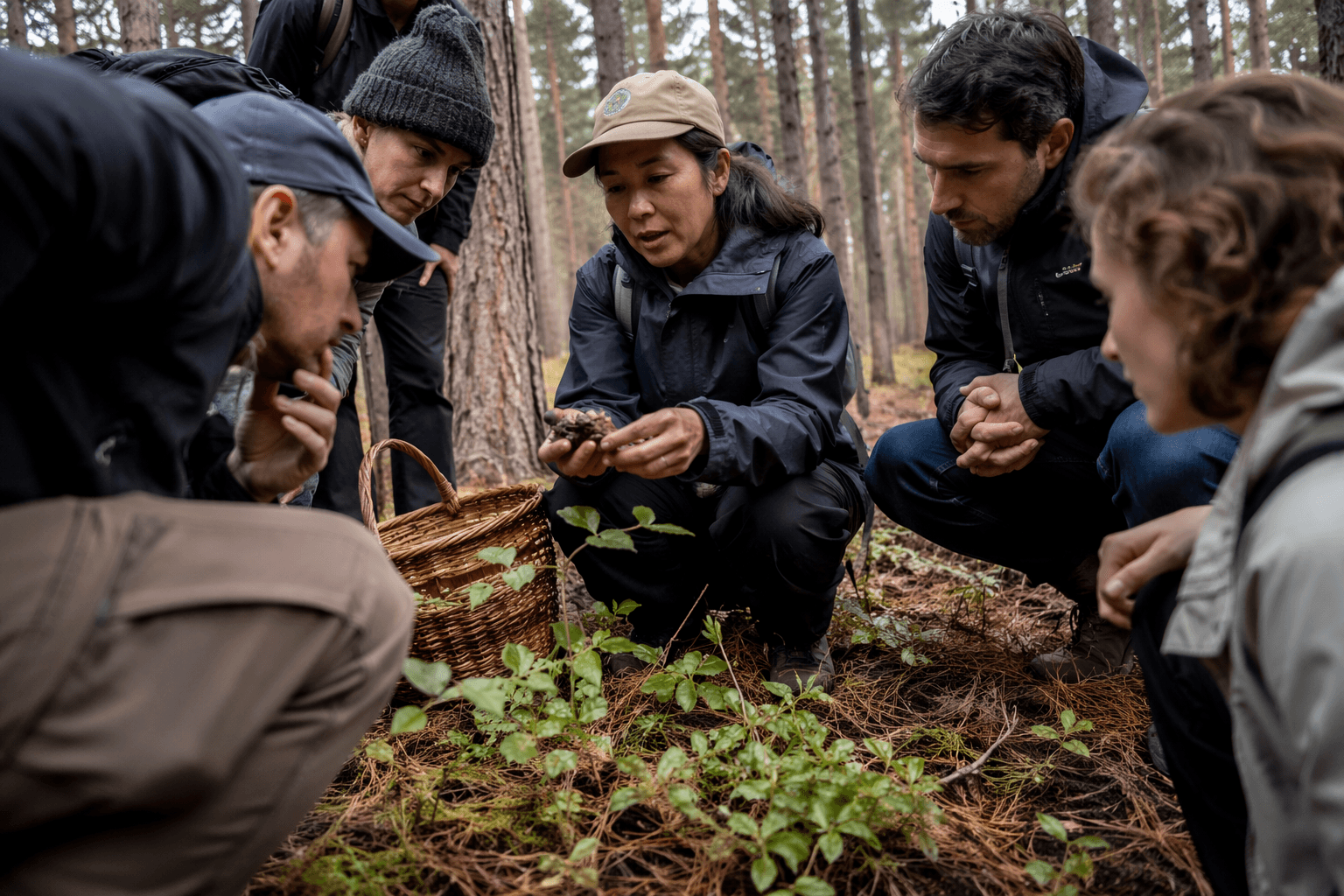
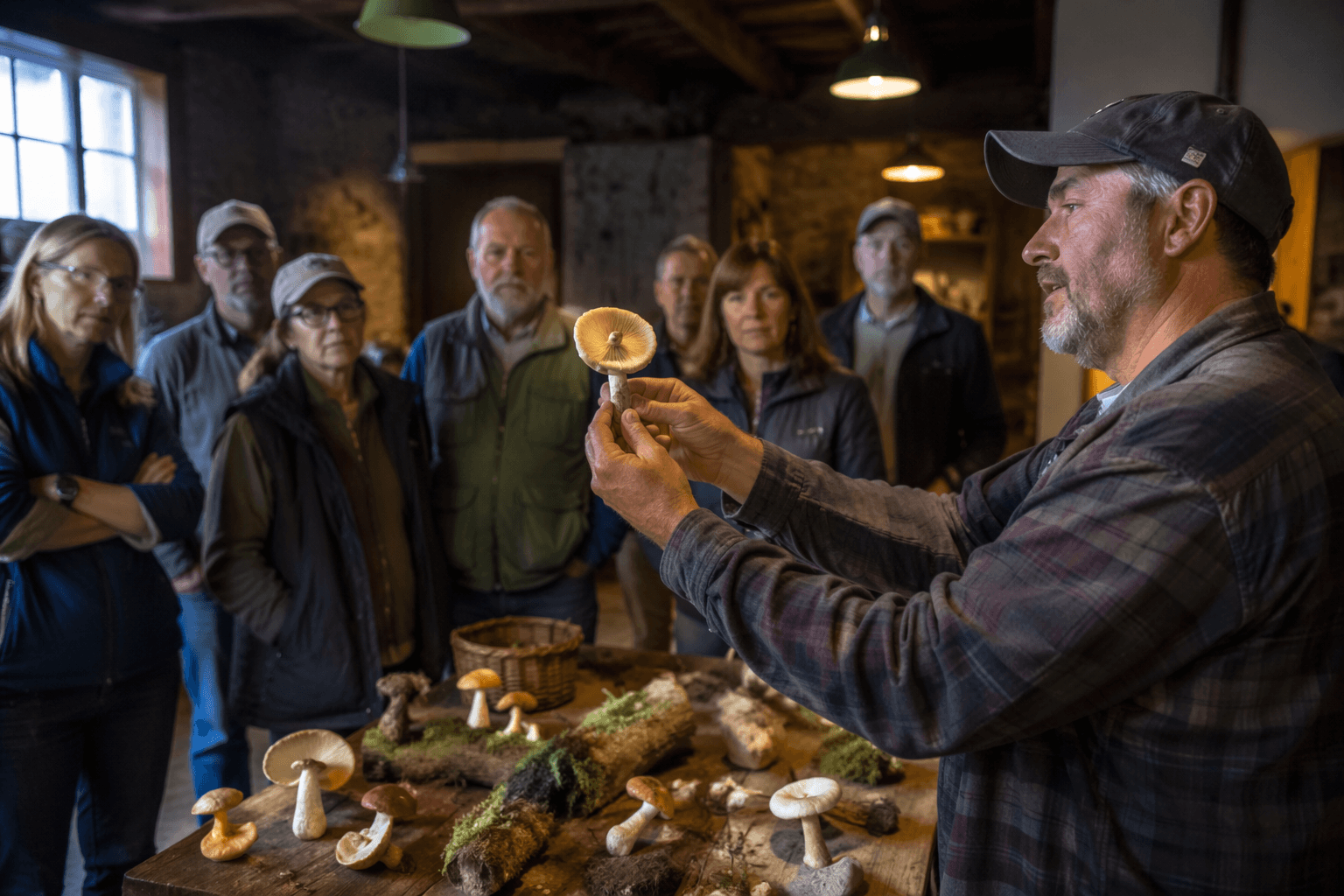
The safest education still comes from experienced people, not random clips or quick ID threads. University extension guidance recommends learning mushroom identification from professional mycologists and mycology organizations because it teaches you how to eliminate possibilities in the field instead of memorizing a long list of names.
This article was produced by Prism’s automated news system from verified source data, official records, and press releases, then run through automated quality and moderation checks before publishing. The system is built and supervised by the people who set the standards it runs under. Read our full AI policy.
Did this article answer your question?