eFIBA Season 4 launches global national-team competition on NBA 2K26
eFIBA kicked off Season 4 on January 13, 2026, running an international national-team tournament on NBA 2K26; the move aims to tighten the gap between esports and real-world basketball fandom.
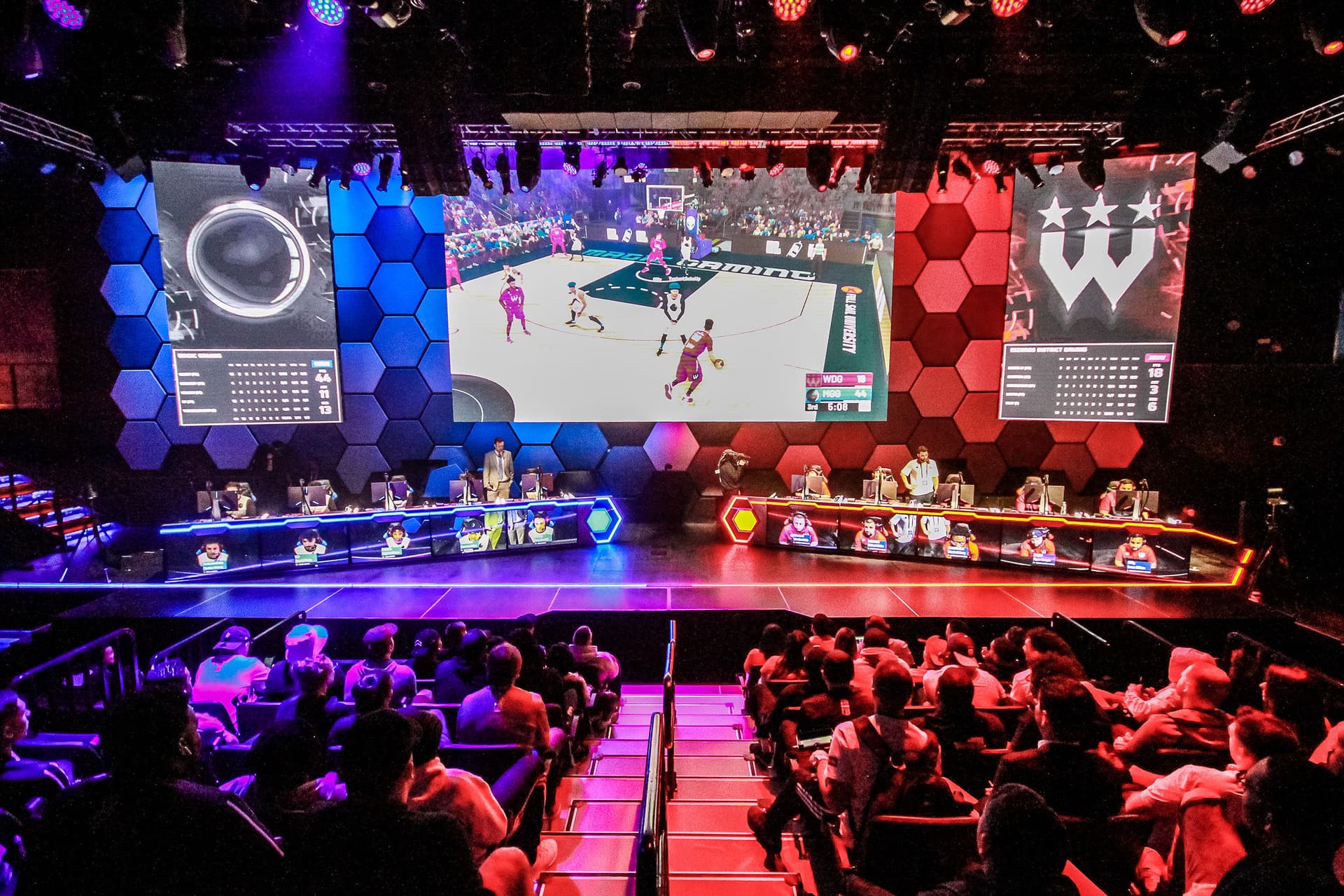
eFIBA launched Season 4 on January 13, 2026, moving its global national-team competition onto NBA 2K26 and framing the cycle as a broadcast-ready international event. Dozens of countries are involved, with national teams facing off through structured qualifiers that feed into a staged championship designed for viewers and high-level play.
"eFIBA Season 4 brings together dozens of countries, each represented by players competing on behalf of their nation." That lineup underlines the competition's core shift: national representation and sanctioned pathways rather than ad-hoc open lobbies. Organizers have emphasized a presentation geared toward spectators, using NBA 2K26’s enhanced spectator cameras and stable performance to make matches cleaner and more watchable for both Twitch and linear broadcast setups.
For the competitive community, the switch to NBA 2K26 matters on two fronts. First, the title’s refined mechanics change how elite teams construct game plans and lineups. Second, the tournament format institutionalizes qualifiers and national selection, offering a clearer route for players who want to represent their countries. That structure helps legitimize the scene by making results repeatable and easier to follow across regions.
Season 4 is already shaping the meta by spotlighting elite strategies. High-level matches reveal modern emphasis on pacing, spacing and risk management, the three pillars teams are using to control late-game possessions and limit blown coverages. For players aiming to break in or level up, observation is the shortest path: study broadcasted matches for timing on drives, when teams choose to collapse the defense, and how rotations are executed in pick-and-roll and perimeter sets.

Broadcast-friendly upgrades also benefit content creators and coaches. Cleaner camera angles and fewer technical hiccups make clips and breakdowns more reliable, which in turn helps coaches teach situational reads and gives streamers material that resonates with both esports fans and traditional basketball followers. That bridging of audiences is central to eFIBA’s pitch: make virtual national teams feel like real national programs.
What this means going forward is twofold. Competitors should prioritize film study and disciplined, repeatable team play if they want to survive sanctioned qualifiers. Fans should expect a more polished, watchable international season that can accelerate NBA 2K’s presence on the world stage. As Season 4 unfolds, follow the broadcasts, bookmark standout matches, and use them as a playbook for your own drills and team chemistry sessions.
This article was produced by Prism’s automated news system from verified source data, official records, and press releases, then run through automated quality and moderation checks before publishing. The system is built and supervised by the people who set the standards it runs under. Read our full AI policy.
Did this article answer your question?