Mastering MyPLAYER Builds in NBA 2K: Core Systems Explained
This primer breaks down the core systems that determine on-court performance in NBA 2K so you can build effective MyPLAYERs and avoid early mistakes. Understanding archetypes, attribute allocation, badges, animations, and physical trade-offs saves VC, accelerates progression, and improves team play.
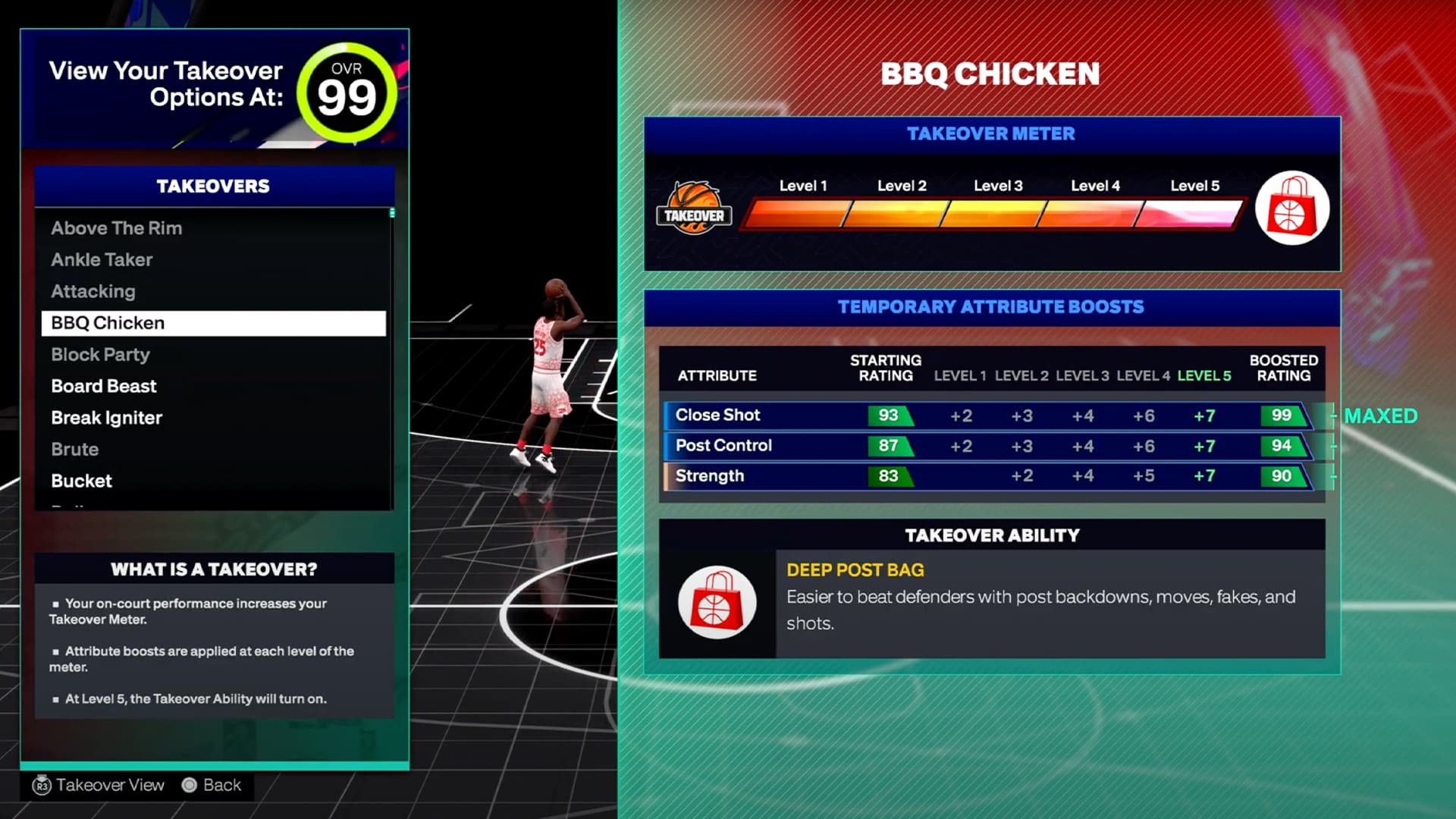
Choosing the right foundation for your MyPLAYER remains the single most consequential decision when starting a new career. Every archetype - Playmaker, Sharpshooter, Slasher, Two-Way, Post Scorer, Stretch Big and others - bundles attribute caps, typical animations, and badge potential. Choose an archetype that fits the role you want to play: creator, shooter, rim attacker, or interior anchor.
Attribute allocation should follow a clear priority. Balance primary attributes for the role, then invest in secondary areas to shore up weaknesses. A primary ball-handler should maximize Ball Handle, Passing, Speed, and finishing attributes. A stretch big should prioritize Interior Dunks, Standing and Moving Shot, and 3PT ratings as needed. Avoid overly hybridizing early. A clearly defined role speeds badge progression and maintains consistent on-court impact.
Badges change how actions behave and come in Bronze, Silver, Gold, and Hall of Fame tiers. Aim to secure a few key badges at high tiers that match your playstyle rather than chasing dozens of low-tier badges. Focused badge progression creates reliable outcomes: Corner Specialist improves open corner 3 performance, while Rim Protector enhances contesting. Pay attention to badge synergy because some badges amplify others; neglecting that synergy undermines effectiveness.
Signature animations and release timing matter more than many new players expect. Select shot forms and release windows that feel consistent and practice timing in the gym or 2KU to find the green window. Jump shot animation affects green windows and catch-and-shoot consistency, so test forms before committing to a build.

Physical choices such as height, weight, and wingspan change speed, vertical, and strength. Bigger players gain interior defense and rebounding but often lose lateral quickness and face tighter shot timing windows. Decide which trade-offs you accept for your role and tune weight and wingspan to balance mobility and strength.
Prioritize progression that unlocks gameplay impact first. Buy badges and attribute upgrades that directly affect finishing, shooting, or defense before cosmetic items. Use drills, practices, and mode-specific XP from MyCAREER and The City events efficiently to accelerate development without overspending VC.
On the multiplayer side, communicate your role and play to your strengths. Space the floor if you are a shooter, set screens if you are a big, and keep lanes open for slashers. Common pitfalls to avoid include over-inflating non-role attributes, choosing animations that create inconsistent timing, and ignoring badge interactions. Understanding these systems lets you make intentional build choices, get on-court sooner, and contribute consistently to team success.
Know something we missed? Have a correction or additional information?
Submit a Tip