NBA 2K turns 20 years of basketball simulation into a cultural fixture
NBA 2K started as a sharp basketball sim in 1999 and grew into a platform where MyCAREER, MyTEAM, The City, and The W all shape how fans play.
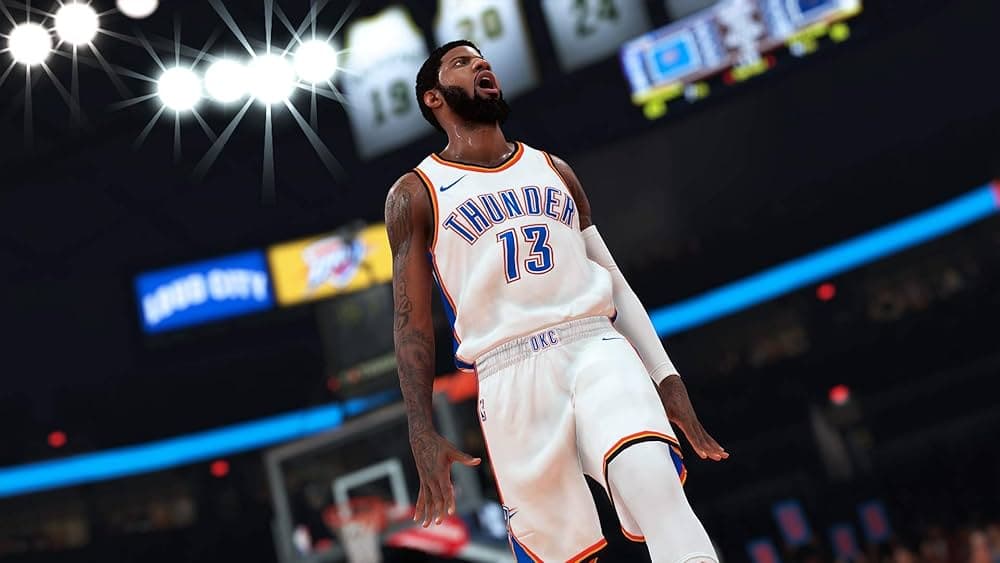
NBA 2K did not stay a yearly roster update for long. It grew into the place where basketball simulation, online identity, team building, and WNBA representation all live in the same ecosystem, and that is why the series still feels bigger than its release calendar.
From pure simulation to a franchise identity
The series began in 1999 as NBA 2K, developed by Visual Concepts and published by Sega, with Allen Iverson on the cover. That first release set the tone for what followed: an annual basketball game built around the feel of the sport itself, not just a licensed presentation layer. Visual Concepts, founded in 1988, later moved from Sega ownership to Take-Two Interactive in 2005, and the studio has remained central to the identity of the series ever since.
That origin matters because NBA 2K has been released every year since 1999, which means the franchise’s evolution is visible in real time across generations of players. The official NBA 2K site describes it as a basketball pillar with 20 years of authentic games, and that continuity explains why older fans still recognize the foundation even as the series keeps absorbing new modes and new basketball cultures.
Why today’s NBA 2K feels like a platform, not just a game
The clearest shift is in the mode stack. NBA 2K25’s official site highlights Play Now, MyNBA, MyCAREER, MyTEAM, The City, and gameplay features tied to ProPLAY, and that lineup tells you exactly how far the series has moved from a single-sport sim. Play Now keeps the instant basketball experience intact, while MyNBA gives you control over management and long-term franchise decisions.
MyCAREER and The City turned NBA 2K into something closer to a living basketball social space. Instead of only loading into a game, players build a character, chase progression, and move through a shared environment that makes the game feel like a daily habit rather than a one-night session. That structure is one of the biggest reasons the series now reaches millions of active daily players, because it gives people a reason to log in even when they are not chasing a quick exhibition game.
The rise of MyTEAM and the pull of progression
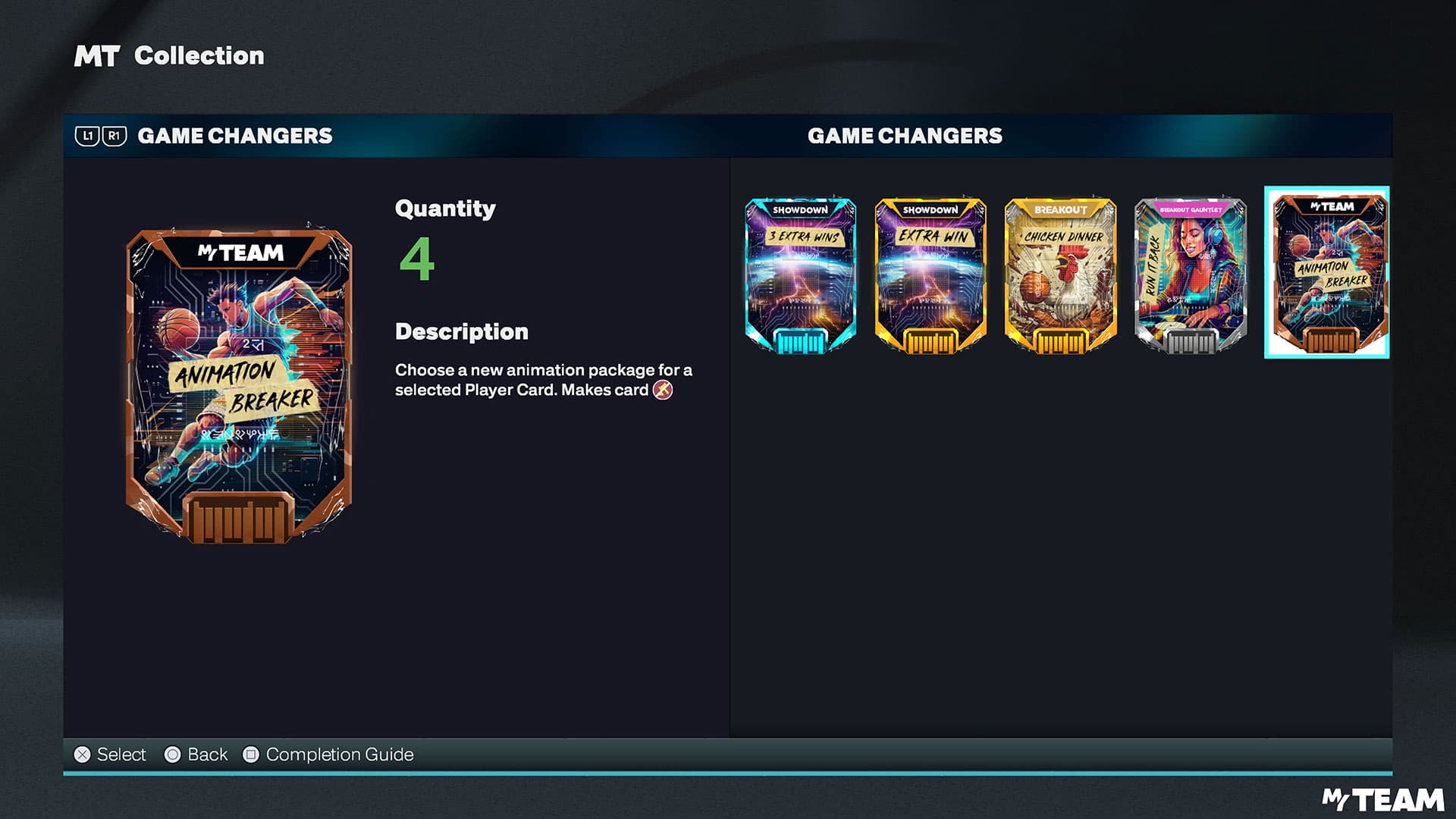
MyTEAM pushed NBA 2K deeper into collection and progression systems, where building a lineup becomes its own long-term game loop. The mode is a major reason the franchise feels modern in the way so many live-service sports titles do: players chase cards, refine squads, and keep returning because the roster can change faster than the real NBA season.
NBA 2K26 takes that idea further by adding WNBA Player Cards to MyTEAM for the first time in franchise history. That change matters because it lets current and historic WNBA players share a lineup with NBA stars, which makes the mode broader without breaking its core fantasy of roster building. NBA 2K26 also expands The W, with more emphasis on WNBA progression, rivalries, and career growth, so the franchise’s women’s basketball side is no longer a side note but part of the same progression-driven design.
The WNBA is now part of the core conversation
NBA 2K25’s dual NBA and WNBA global cover already signaled that the franchise was widening its lens instead of freezing itself in one era or one league. NBA 2K26 pushes that further by making the WNBA present inside MyTEAM and by giving The W a stronger career framework centered on progression and rivalry.
That evolution is important because it changes how players experience the series on a day-to-day basis. The WNBA is not just present in presentation or marketing, it now affects how players build lineups and how career modes are structured. For a franchise that started with a single cover athlete and a straightforward NBA focus, that is one of the biggest design shifts in its 20-year run.
NBA 2K became part of the wider basketball ecosystem
The series stopped being only a game when the NBA 2K League launched in 2018. The league was co-founded by the NBA and Take-Two Interactive, launched with 102 players and 17 teams, and its inaugural draft took place on April 4, 2018, at Hulu Theater at Madison Square Garden in New York. Mavs Gaming used the first pick on Artreyo Boyd, known as Dimez, and that detail still captures how directly the game fed into a professional esports structure.
That ecosystem keeps expanding. The 2025 NBA, NBPA, and 2K partnership extension said NBA 2K has sold more than 150 million units worldwide and reaches millions of active daily players. It also extended ties with the NBA G League and USA Basketball, while adding NBA Take-Two Media, which shows how the franchise now sits at the intersection of competition, content creation, and the broader basketball world.
Why the series still works after 20 years
NBA 2K has lasted because each major turning point kept the on-court base but added a new layer that players could actually use. MyCAREER gave people a personal path, MyTEAM gave them a collection economy, The City gave them a social layer, MyNBA gave them control over a franchise, and NBA 2K26’s WNBA additions made the ecosystem wider and more complete.
That is the real story of the last 20 years: NBA 2K did not become a cultural fixture by leaving simulation behind. It became one by making simulation the foundation for everything else, and every new mode still traces back to that original 1999 promise of delivering authentic basketball.
This article was produced by Prism’s automated news system from verified source data, official records, and press releases, then run through automated quality and moderation checks before publishing. The system is built and supervised by the people who set the standards it runs under. Read our full AI policy.
Did this article answer your question?