NBA 2K10 revisited, why the seventh-generation era still matters
NBA 2K10 still matters because it made the league feel alive between updates and gave My Player a real proving ground. That’s the old 2K design many players still miss.
Why NBA 2K10 still gets a second look
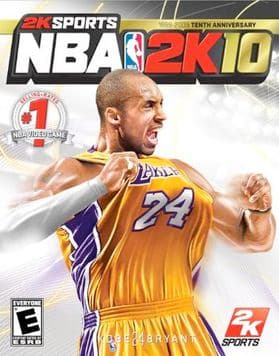
NBA 2K10 landed on October 6, 2009 for PS3, Xbox 360, PS2, and PSP, with PC following on October 12 and Wii in November. As the franchise’s 10th-anniversary edition, it carried a lot of weight, and the Kobe Bryant cover choice only sharpened that feeling after his 65-17 Lakers season. That combination is why the game still deserves a fresh look: it was built at a moment when 2K knew exactly what it wanted to be, and a lot of what it was doing then feels harder to find now.
The cleanest way to think about NBA 2K10 is not as a forgotten side note, but as a bridge that still had its own identity. It arrived after a stretch that the retrospective remembers as uneven in places, with NBA 2K6 becoming a favorite, NBA 2K7 hooking the author on a revisit, NBA 2K8 feeling like a misstep, and NBA 2K9 getting the series back on track. NBA 2K10 sat in the middle of that arc, overshadowed by what came after it, yet still part of the run that defined the franchise’s next era. That is exactly why it matters now: it shows how much of 2K’s modern identity was already being assembled before the series settled into its later form.
The seventh-generation era made the league feel connected
The strongest thing NBA 2K10 had going for it was not one flashy mode, but the way the whole package felt tied together. 2K Sports pushed Living Rosters and NBA Today updates hard, and that emphasis gave the game a sense of being plugged into the real season instead of just wearing the skin of it. When a basketball game can keep lineups, rotations, and context moving with the league, it changes how every quick game, association, and roster check feels.
That is one of the clearest places where the seventh-generation era still lands differently from today. Modern 2K can be bigger, more layered, and more feature-rich, but NBA 2K10 had a more direct relationship with the actual NBA calendar. You booted it up and immediately understood that the game wanted to mirror the league as it was happening, not just as a static snapshot. That live connection is one of the old ideas that still feels missing now, especially when current players are looking for a game that feels current the moment it loads.
A few details make that point even sharper:
- Living Rosters were not just marketing language, they were part of the game’s identity.
- NBA Today updates were there to keep the presentation and roster context moving with the real season.
- The details page also highlighted online integration, which helped the whole experience feel more connected.
That sense of a living basketball world is a big reason NBA 2K10 reads better today than its reputation sometimes suggests.
Draft Combine was a better doorway into career fantasy
The other idea that still holds up is NBA 2K10: Draft Combine. Released as a download-only title in late summer 2009, it was priced at 400 Microsoft Points on Xbox Live Arcade and also appeared on PlayStation Network. The hook was simple and smart: create a custom NBA player and live through the real NBA Draft Combine in Chicago’s Attack Gym. That setup gave the My Player side of the series a proving ground that felt earned instead of assumed.
This is where the comparison to later 2K gets interesting. Draft Combine turned the climb into a focused basketball test, not just a long runway of menus, cutscenes, and progression systems. You were not being handed a star fantasy right away. You were trying to show you belonged, and the Chicago setting made the whole thing feel like a specific basketball event rather than a generic career wrapper. That exact kind of self-contained career gateway is one of the ideas current 2K still struggles to match cleanly.
The appeal was practical, not sentimental. Draft Combine gave the series a way to connect player creation to actual evaluation, and that made My Player feel like part of the NBA ecosystem instead of a separate game mode living off to the side. For a lot of players, that tighter design still feels more elegant than the sprawling career structure the series leaned into later.
A commercial hit that proved the formula worked
NBA 2K10 was not just interesting in hindsight, it was successful in the moment. By February 3, 2010, 2K Sports said it had sold more than 2 million units worldwide, a 60% increase over the same point for NBA 2K9. Metacritic also shows how well it was received, with an 87 Metascore on Xbox 360 across 46 critic reviews and generally favorable reviews overall. That is the profile of a game that was both a market hit and a critical success, even if some critics still pointed to technical issues.
That matters because it keeps NBA 2K10 from being reduced to nostalgia bait. It was not some niche cult favorite that only looks better in memory. It was a commercially important, highly rated entry that helped carry the franchise through the stretch before NBA 2K11 and NBA 2K12 became the version of the era most people remember first. The fact that it sits just outside that spotlight is part of what makes it worth revisiting.
What still feels missing now
If you strip away the nostalgia, NBA 2K10 points to three things the series once did better. It kept the league feeling alive through Living Rosters and NBA Today. It gave player creation a more focused proving ground through Draft Combine. And it wrapped all of it in a 10th-anniversary package that understood the power of being the basketball game people watched as much as played.
That is why the game still lands in 2026. The old 2K formula was not perfect, but it was cohesive in a way modern releases often are not. When you go back to NBA 2K10, you are not just looking at an older menu screen and a Kobe cover. You are seeing a version of the series where the season, the roster, and the career fantasy all pointed in the same direction, and that is the part that still feels worth stealing back.
This article was produced by Prism’s automated news system from verified source data, official records, and press releases, then run through automated quality and moderation checks before publishing. The system is built and supervised by the people who set the standards it runs under. Read our full AI policy.
Know something we missed? Have a correction or additional information?
Submit a Tip