NBA 2K26 best builds for every position, from point guard to center
The smartest NBA 2K26 build is the one that fits your role, not the hype. Community templates, badge planning, and cap breakers make every position a different kind of gamble.
Why the builder matters before you even touch attributes
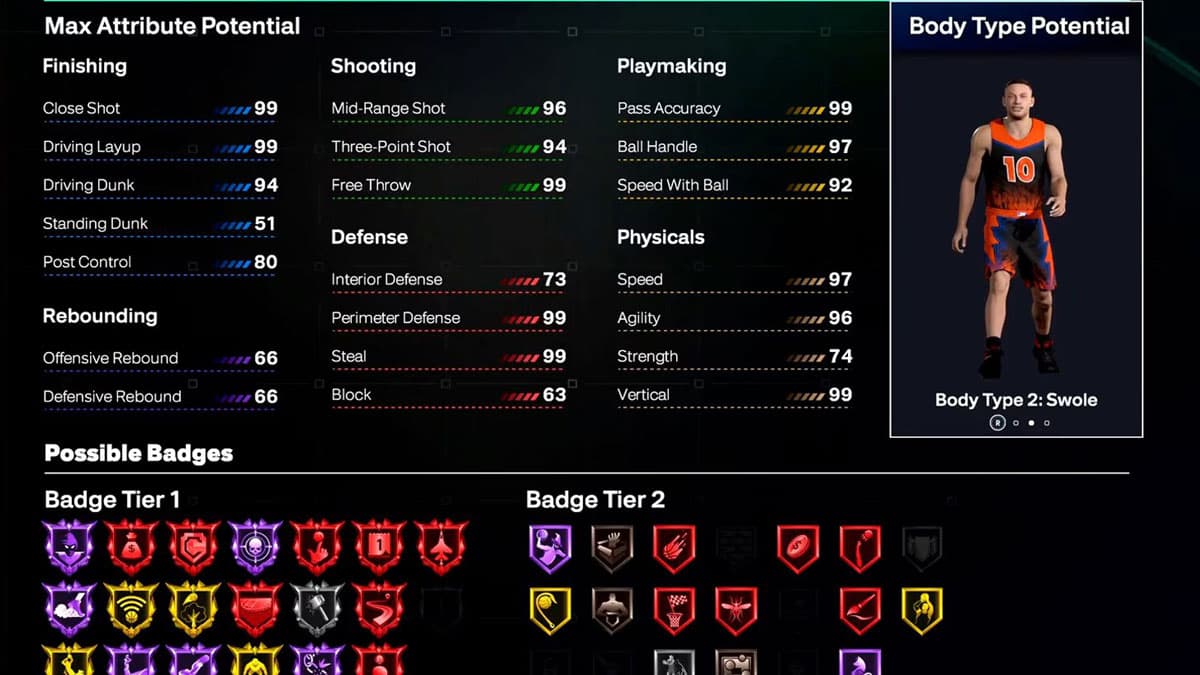
NBA 2K26 turns build choice into a long-term decision, not a quick menu stop. The MyPLAYER Builder lets you start from scratch or lean on pre-made templates, and that matters because the game now asks you to think like a roster architect instead of a stat collector. Once VC is spent and a direction is locked in, changing course is expensive, so the right build is really the right job description.
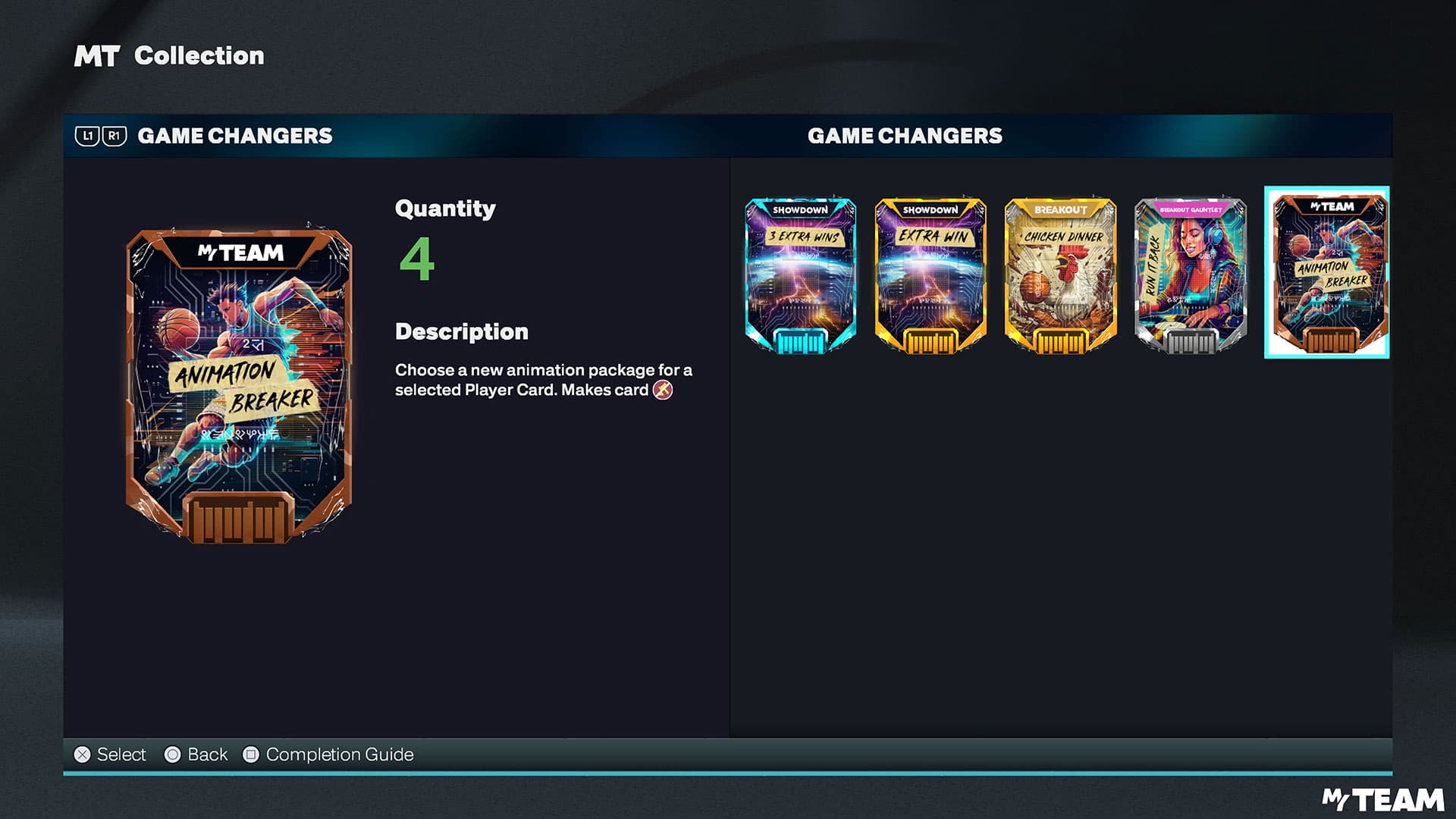
That is also why the official builder has become more useful and more intimidating at the same time. It now includes an updated Animation Glossary, detailed Scouting Reports, and Build via Badges, which automatically locks in the minimum attribute requirements for chosen badge tiers. Add in badge tiers from Bronze through Legend, and the whole system pushes you to plan first and spend second.
Point guard: when you want the offense to live in your hands
At point guard, the safest direction is a build that can create for itself without becoming one-note. The current Community Builds spotlight Devkon at the one with a Mid-Range Slasher, and that tells you a lot about where the role sits in NBA 2K26: you are expected to pressure the defense, not just bring the ball up. If you play a lot of solo Rec, this is the position that lets you control pace, calm down bad possessions, and manufacture good looks when random teammates are standing still.
The tradeoff is obvious. A point guard build that chases creation usually gives up some size, some defense, or both, which is why the builder's Animation Glossary and scouting details matter so much here. If you want the cleanest path for a beginner, a Community Build or a template built around playmaking and shot creation is usually safer than trying to force a hyper-specific experiment.
Shooting guard: the cleanest fit for Park runs and secondary creation
The shooting guard slot is where a lot of players quietly find their favorite build, because it lets you score without carrying every possession. GB3’s Season 7 spot comes with a Diming Inside-Out Scorer, and that role makes sense for Park and squad play: you can punish overhelp, handle the ball when needed, and still work off a stronger creator. It is the kind of build that feels busy in a good way, always touching the possession without needing to dominate it.
What you give up is total control. If your stack already has a primary point guard, a shooting guard like this is a smoother investment than another ball-dominant guard, because it keeps you useful even when the offense runs through somebody else. That flexibility is a big reason guard builds with mixed scoring and passing tools tend to age better than narrow shot hunters when the meta shifts.
Small forward: the role for players who want answers on both ends
Small forward is the best place to live if you want your build to look like a solution, not a specialty. TTYME2K’s Season 7 build is a Shot-Erasing 3-Level Scorer, which sounds exactly like the kind of wing every Rec lineup wishes it had: enough offense to punish mismatches, enough length to make life hard for the other side. In squad play, this is the position that often determines whether a lineup feels balanced or thin.
The tradeoff is that the small forward build often asks for more deliberate planning than the flashier guard archetypes. Because the official builder ties more information to height, animations, and badge thresholds, the wing spot rewards patience. If you are protecting VC, this is one of the safest places to spend it, because a strong two-way wing usually stays valuable even when one patch nudges the meta.
Power forward: the build for boards, bully finishes, and clean spacing
At power forward, oTripleTrey’s Rim-Reaping Lob Threat Bully shows the shape of the job. This is the build for players who want to punish the paint, own the glass, and turn half-court possessions into pressure at the rim. In squads, the power forward is often the hidden glue, because a good one keeps the offense from collapsing into perimeter isolation.
That role comes with a real sacrifice: you are usually giving up some self-created shot variety and some perimeter freedom in exchange for interior value. It is a stronger fit if you know your crew needs size and finish than if you want to freestyle every possession. For anyone building around Rec stability, a power forward that can rebound and rim-run is one of the least glamorous but most dependable investments in the game.
Center: the safest anchor for solo Rec and long-term value
If your goal is solo Rec survival, center is still the safest position to build around. naeohmii’s Season 7 build, a Mid-Paint Glass Visionary, captures why: a center that can rebound, read the floor, and do real work in the middle makes bad random lineups feel less chaotic. When the game gets messy, a dependable big is often the difference between a possession being over and a possession being salvaged.
The center tradeoff is that you usually sacrifice mobility, perimeter freedom, or self-creation. But that is exactly why this build type tends to hold value when patches move the goalposts. A good center does not need every trend to break its way, because the core responsibilities, boards, positioning, and paint control, stay useful no matter how the rest of the meta shifts.
How to protect your VC and future-proof the file
If you want the safest path through NBA 2K26, use the tools the builder already gives you. Community Builds are designed as competitive templates, and they can come equipped with the maker’s recommended Signature Animations and Takeover, which removes a lot of trial-and-error from the process. That is especially useful if you are new, or if you simply do not want to turn your first serious MyPLAYER into an expensive science project.
Build via Badges makes the planning step even more important. Because it locks in the minimum attributes needed for badge tiers from Bronze through Legend, you can map out your build around the badge package you actually want instead of guessing after the fact. Cap Breakers raise the stakes further: they are permanent, can be applied to an attribute a maximum of five times, and can be earned through Build Specializations, Season rewards, REP rewards, and more.
That is the real lesson behind every position in NBA 2K26. The strongest build is not the loudest one, it is the one that matches your mode, your squad, and your patience with the builder. If you start with the role, then spend the VC, your MyPLAYER feels like a plan instead of a wager.
This article was produced by Prism’s automated news system from verified source data, official records, and press releases, then run through automated quality and moderation checks before publishing. The system is built and supervised by the people who set the standards it runs under. Read our full AI policy.
Did this article answer your question?