NBA Stories of Resilience, Comebacks, and Clutch Culture Come Alive in 2K
The NBA's greatest comeback stories and clutch moments aren't just history; they're playable in 2K, where resilience has a controller.
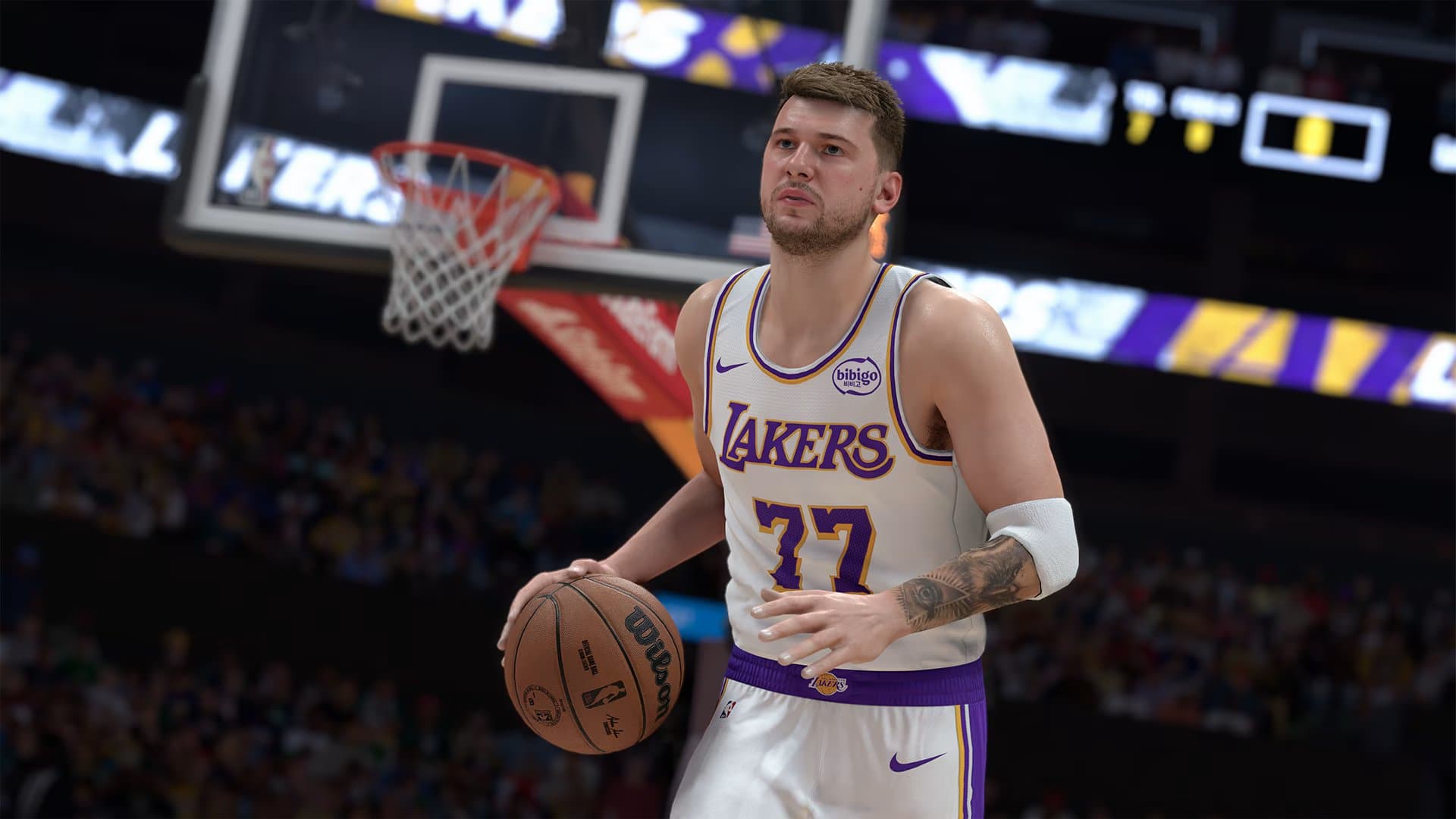
There's a reason the most replayed moments in NBA history aren't dunks or three-pointers — they're comebacks. The full-court desperation heave, the fourth-quarter run that erases a 20-point deficit, the player who returns from injury to drop 40 in a playoff game. These are the stories that define basketball culture, and NBA 2K has become one of the most compelling places to relive, recreate, and understand them.
The NBA2KW community has been sitting with this idea, and it's worth unpacking in full: the NBA doesn't just produce winners and losers. It produces narratives. And those narratives, rooted in resilience, clutch performance, and team culture, translate into 2K in ways that go beyond stat lines and badge builds.
Why Resilience Hits Different in Basketball
No sport packages adversity quite like the NBA. A seven-game series is essentially a structured test of psychological endurance. You lose game one on the road, you adjust. You blow a fourth-quarter lead in game three, you regroup. You watch your best player limp to the locker room in game five, and somehow you find a way. The league's history is littered with these moments, and they resonate because they mirror something real about competition and human nature.
What makes basketball's resilience stories distinct is the pace at which they unfold. Football gives you a week between games to process a loss. Basketball gives you 48 hours. That compression forces teams and players to demonstrate resilience in nearly real time, which makes the emotional arc sharper and more visible. When a team claws back from 3-1 down in a series, the whole process happens over nine days. You watch every stage of the struggle.
Building Resilience Into Your 2K Game
Understanding this culture doesn't just make you a better fan — it makes you a better 2K player. The mental frameworks that define NBA resilience map directly onto how you approach MyCAREER, MyTEAM, and Franchise mode.
In MyCAREER, the early grind is the point. You're not supposed to come in as an 85 overall and dominate immediately. The lower-rated build, the bench minutes, the games where your shot isn't falling — that's the game teaching you the NBA's actual lesson. Players who skip straight to max builds using shortcuts often find that the mode loses its meaning quickly, because they've bypassed the narrative engine entirely. The grind is the story.
In Franchise mode, resilience shows up in roster management and long-term thinking. A team that loses its star to injury mid-season isn't a broken franchise — it's an opportunity to develop depth players, test your rotation, and see what your second unit is actually made of. The best franchise runs in 2K aren't the ones where you dominate every season; they're the ones where you rebuilt from a 28-win year and turned a lottery pick into a dynasty.
Clutch Culture: What It Means and How to Build It
Clutch culture in the NBA is specific. It's not just having a good player who can score — it's having a player who wants the ball when it matters, combined with a coaching staff that trusts him to take it, and teammates who execute their roles when the pressure is highest. That ecosystem is what separates teams that perform in close games from teams that fall apart.
In 2K, clutch culture is something you actively construct. In MyTEAM, stacking your lineup with high-Clutch-rated cards isn't enough if your rotations break down in the fourth quarter. You need players with high IQ badges, the right tendencies, and the composure stats to hold up when the shot clock is at two and the score is tied. The game models this more accurately than most players give it credit for.
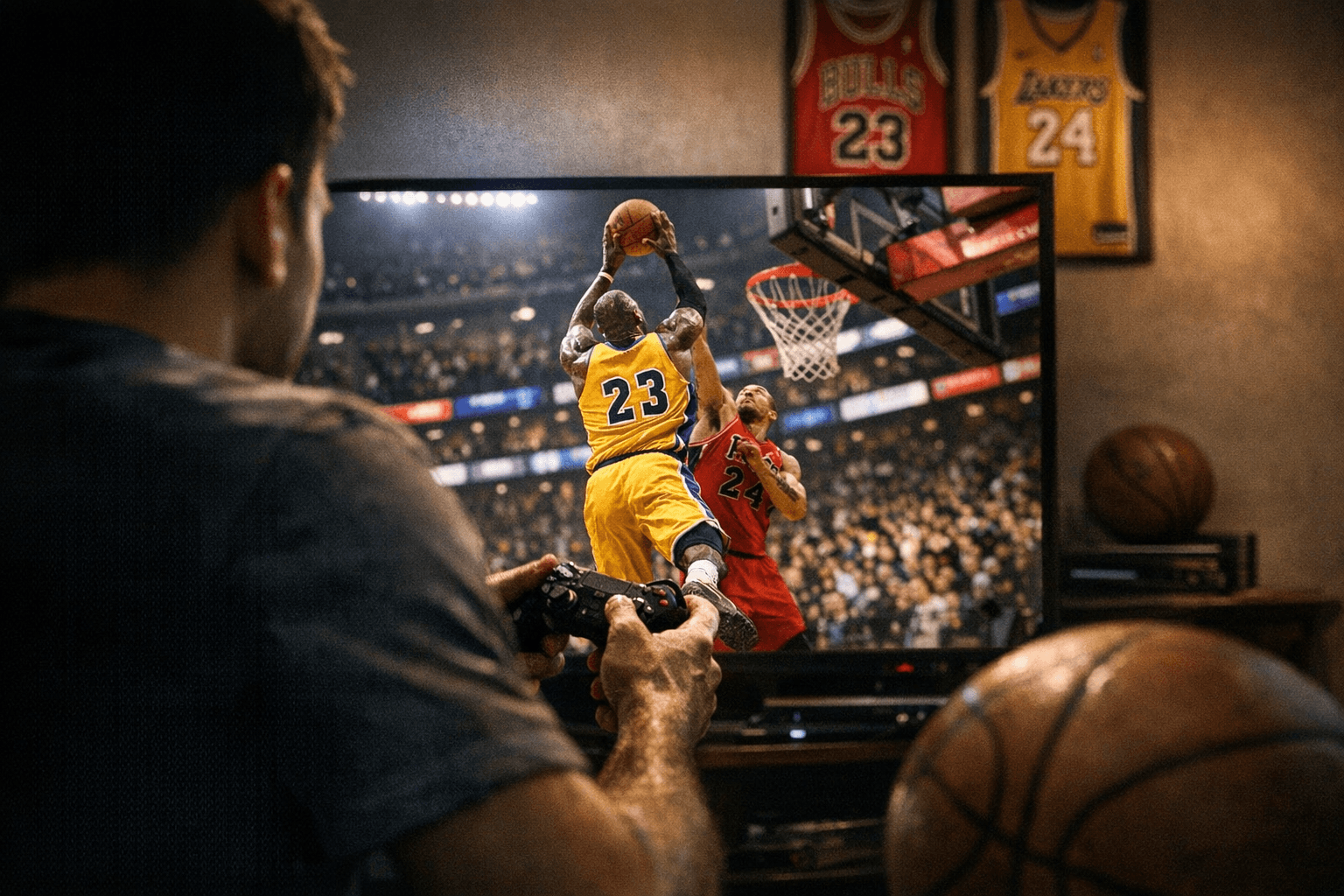
A few things that actually matter in crunch-time situations in 2K:
- Shot IQ and shot selection tendencies matter more than pure shooting ratings in the final two minutes
- Players with the Clutch Shooter badge see real boosts in contested situations; don't sleep on it
- Defensive assignments in late-game scenarios need to account for opposing player tendencies, not just overall ratings
- Timeouts and play-calling in the final possession are the most underused mechanics in online play
Team Culture and the Long Game
The NBA stories that stick are rarely about individual heroics in isolation. They're about what a team built over time. The culture a coaching staff instilled over three years. The trust between players who have been through hard games together. That context is what makes a late-game stop or a critical bucket feel earned rather than lucky.
2K has gotten better at modeling team chemistry, and it rewards players who actually engage with those systems. In Franchise mode, the combination of player morale, coaching schemes, and locker room dynamics creates a simulation of team culture that, when you lean into it, produces the kind of season arcs that feel like the real thing. You can feel the difference between a team playing for each other and a collection of high-overall players who don't fit.
The community around 2K has always understood this intuitively. The most celebrated Franchise mode runs shared on forums and YouTube aren't the dominant ones — they're the rebuilt ones. The franchise that hit rock bottom, drafted smart, developed young players, and finally broke through. That's the NBA resilience story playing out in a video game, and it lands because the template is true.
Playing the Narrative
The smartest way to engage with 2K isn't to optimize everything from the jump. It's to play the narrative. Let your MyCAREER player struggle in year one. Let your franchise hit a rough patch and work through it. Build a MyTEAM squad that reflects a real basketball philosophy rather than the highest-rated available cards.
The NBA has given 2K decades of material: franchises rebuilt from the ground up, players who returned from career-threatening injuries to perform at the highest level, teams that won championships not because of one superstar but because of collective resilience under pressure. That material is in the game. The question is whether you're playing in a way that lets you experience it.
The answer, for most players, is that the game rewards those who slow down and let the story breathe. The clutch moments feel clutch because the previous 47 minutes were genuinely difficult. The comeback means something because there was a real deficit to erase. That's the NBA's actual lesson, and 2K, at its best, is one of the few games that delivers it intact.
This article was produced by Prism’s automated news system from verified source data, official records, and press releases, then run through automated quality and moderation checks before publishing. The system is built and supervised by the people who set the standards it runs under. Read our full AI policy.
Did this article answer your question?