Why Cheating Won't Die in NBA 2K and Sports Games
Cheating survives in NBA 2K because the game pays out in wins, REP, and bragging rights. The fixes are real, but the incentives are bigger.
Why cheating keeps coming back
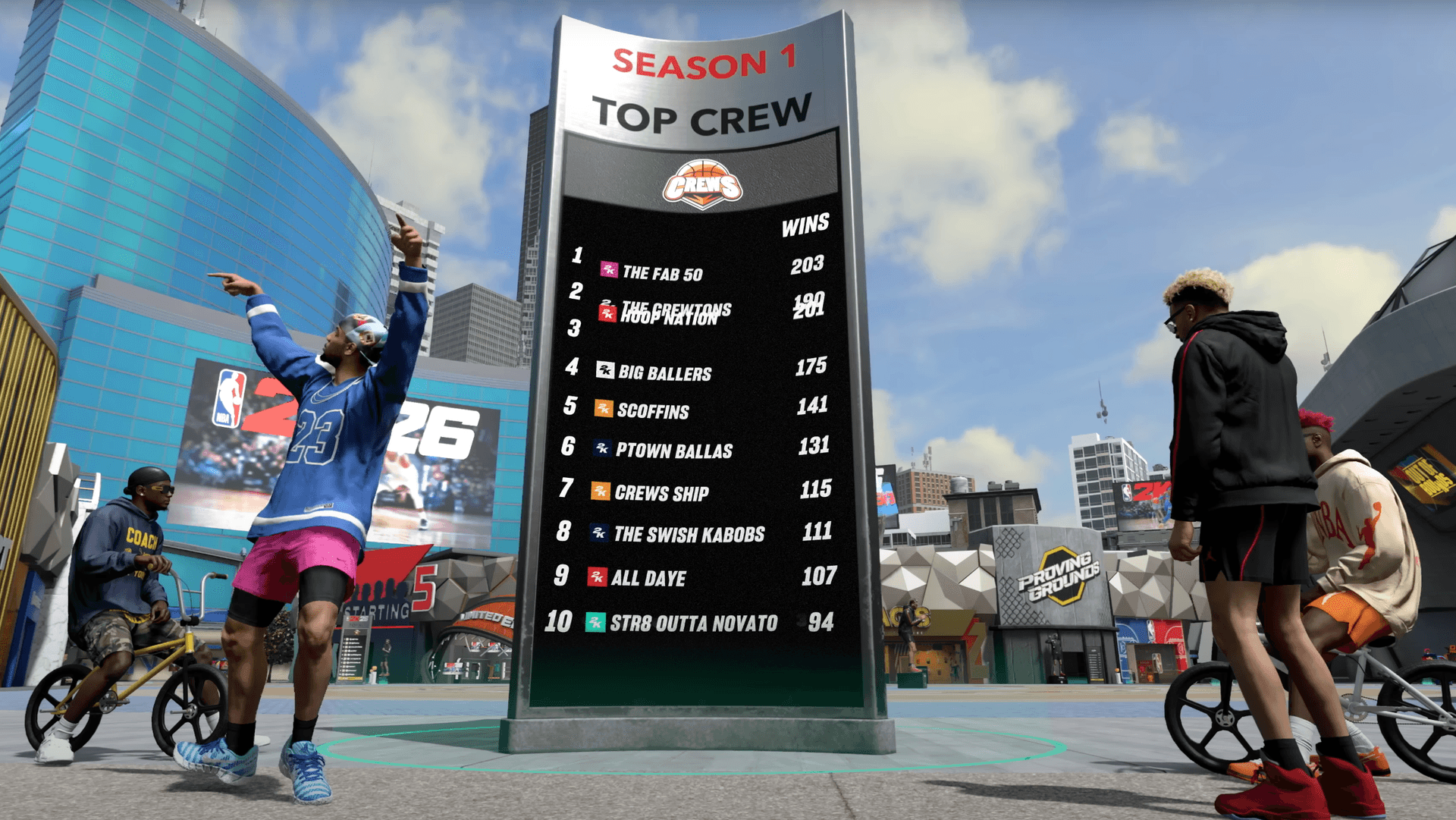
Nothing keeps cheating alive in NBA 2K like the reward structure. When The City turns wins into status, when leaderboards spotlight the players with the most victories, and when the top MyPLAYER in each mode gets a 12-foot statue outside the building, cheating stops being a side issue and starts looking like a shortcut to clout. That is the real problem underneath the frustration: the game keeps making public rank feel valuable, so some players keep trying to bend the rules to get there faster.
Operation Sports nailed the broader question with its May 6, 2026, framing of cheating in sports games. In NBA 2K, the answer is not just bad sportsmanship. It is a system that rewards visibility, short-term winning, and grind-heavy progression in modes like The City, Rec, Pro-Am, and Street Kings. If a player thinks one dirty trick can save hours of work, the temptation stays alive.
The incentive loop that feeds the problem
2K’s NBA 2K26 City design makes the pressure easy to understand. The REP system returns in a five-tier structure, with Rookie, Starter, Veteran, and Legend categories, and the whole setup is built around climbing, showing off, and getting seen. That is great for competition, but it also gives cheaters a reason to obsess over outcomes instead of basketball. When the ladder is public and the bragging rights are literal, every shortcut feels more valuable.
That is why cheating in sports games is rarely random. Players chase unfair advantages because the mode design turns success into currency: wins, REP, status rewards, and attention. In that environment, account selling, boosting, VC farming, and matchmaking manipulation are not just technical violations. They are attempts to skip the parts of NBA 2K that require patience, execution, and actual matchup reading.
The daily cost is obvious if you grind online. One cheater can turn a clean run into a wasted night, whether you are trying to hold court in The City or trying to finish a session in Rec without dealing with nonsense. The damage is not abstract. It is lost time, ruined trust, and a growing sense that the next opponent might be gaming the system instead of playing the game.
What 2K says is off-limits
2K’s player code of conduct is blunt about what counts as cheating and unfair advantage behavior. The banned list includes account selling and transfers, unauthorized VC or MyTEAM Points purchases, VC and MTP farming, exploiting bugs, building or using bots, hacking, using mods for unfair advantage, boosting, throwing games, and matchmaking manipulation. The consequences can include warnings, temporary suspensions, account bans, restrictions on modes or online services, and loss of REP progress.
That matters because it shows the company is treating cheating as more than a nuisance. It is a rules issue, a security issue, and a trust issue all at once. If you are trying to climb in NBA 2K26, the game is telling you that the ladder is not supposed to be built on bought progress, scripted behavior, or broken matchmaking.
The anti-cheat stack is real, but it is not magic
2K’s NBA 2K25 support messaging made one thing clear on PC: the publisher knows the problem cannot be handled with one tool. Patch Update 3.0 for PC introduced Easy Anti-Cheat, which 2K says is designed to combat cheating tools and other unauthorized third-party software. That sat alongside behavior-based bans, anti-tampering protections, and the in-game reporting system.
That is a serious stack, and it shows how persistent the problem is. If cheating were a small, isolated nuisance, 2K would not need multiple layers of enforcement. The fact that it does means the arms race is still active, especially on PC, where players on Steam and Windows have long been more exposed to outside software, tampering, and other abuse cases than console players on PlayStation 5 or Xbox Series X|S.
The important detail for players is simple: anti-cheat is enforcement, not prevention forever. It can raise the cost of cheating and catch a lot of it, but it does not erase the motivation. As long as rewards stay visible and competitive pressure stays high, some players will keep looking for a way around the rules.
What cheating usually looks like in practice
You do not need a lab test to spot a bad-faith opponent. The warning signs are usually practical and obvious once you have spent enough time in online 2K.
- A player keeps doing things that do not match normal timing, movement, or decision-making.
- A squad looks suspiciously built around boosting one account instead of playing straight.
- An account has progression that feels out of step with the actual basketball being played.
- Matchmaking feels manipulated, as if the same people keep appearing in ways that do not look organic.
- A game collapses around weird behavior that smells like bug abuse, bot activity, or another exploit.
That does not mean every ugly loss is cheating. NBA 2K has enough rough edges on its own. But if the pattern looks manufactured, you are probably not imagining it. The player code of conduct exists because these behaviors do happen, and they do distort the experience for everyone else.
How to respond without wasting more time
2K does give you a formal Report a Player path through NBA 2K Support, and the company says submitted reports are sent in for review and possible follow-up. That is worth using when you run into account selling, blatant boosting, bot behavior, or anything else that fits the published violations. The key is to treat reporting as part of your routine, not as a desperate reaction after the damage is done.
The bigger lesson, though, is about expectations. NBA 2K26 doubles down on competition with its leaderboards, REP ladder, and mode-by-mode bragging rights. That makes cheating pressure easier to predict, not harder. The game is still trying to reward merit, but it is doing so in a way that keeps tempting people to fake the climb.
So cheating will not die in NBA 2K because the prize is not just winning a game. It is status, visibility, and the feeling that you outran the grind. Until the incentives change, the best anyone can do is recognize the tells, use the reporting tools, and keep the ladder as honest as possible.
This article was produced by Prism’s automated news system from verified source data, official records, and press releases, then run through automated quality and moderation checks before publishing. The system is built and supervised by the people who set the standards it runs under. Read our full AI policy.
Did this article answer your question?