Big Tech Funds New Nuclear Plants to Power AI Data Centers
Meta, Amazon and Google are backing reactors with real money and long-term deals, turning AI data-center demand into nuclear project finance.

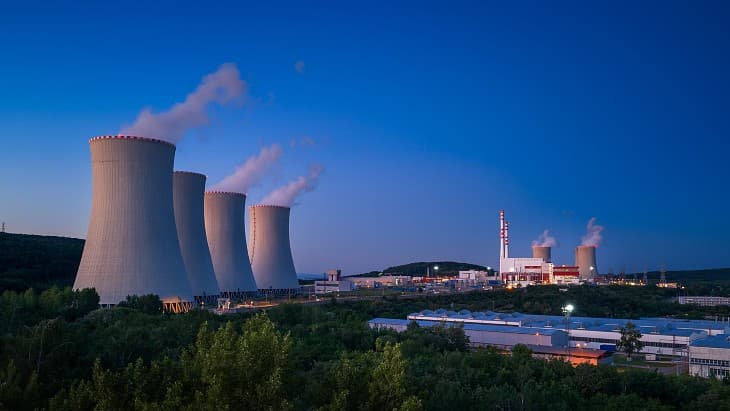
Big Tech is no longer just shopping for clean electricity. It is helping underwrite the next wave of reactors, and that shift is starting to make advanced nuclear projects look bankable in a way they did not a year ago.
Meta moved first and most aggressively. On January 9, 2026, Meta and TerraPower announced an agreement to develop up to 8 Natrium reactor and energy-storage plants in the United States. TerraPower said the deal could support two initial units capable of producing up to 690 MW of firm power, with delivery as early as 2032, and rights to energy from up to six more units that could add another 2.1 GW by 2035. Meta said its broader nuclear package with Vistra, TerraPower and Oklo could unlock as much as 6.6 GW of nuclear energy for AI infrastructure. It also signed a separate agreement with Oklo for a 1.2 GW nuclear technology campus in Ohio.
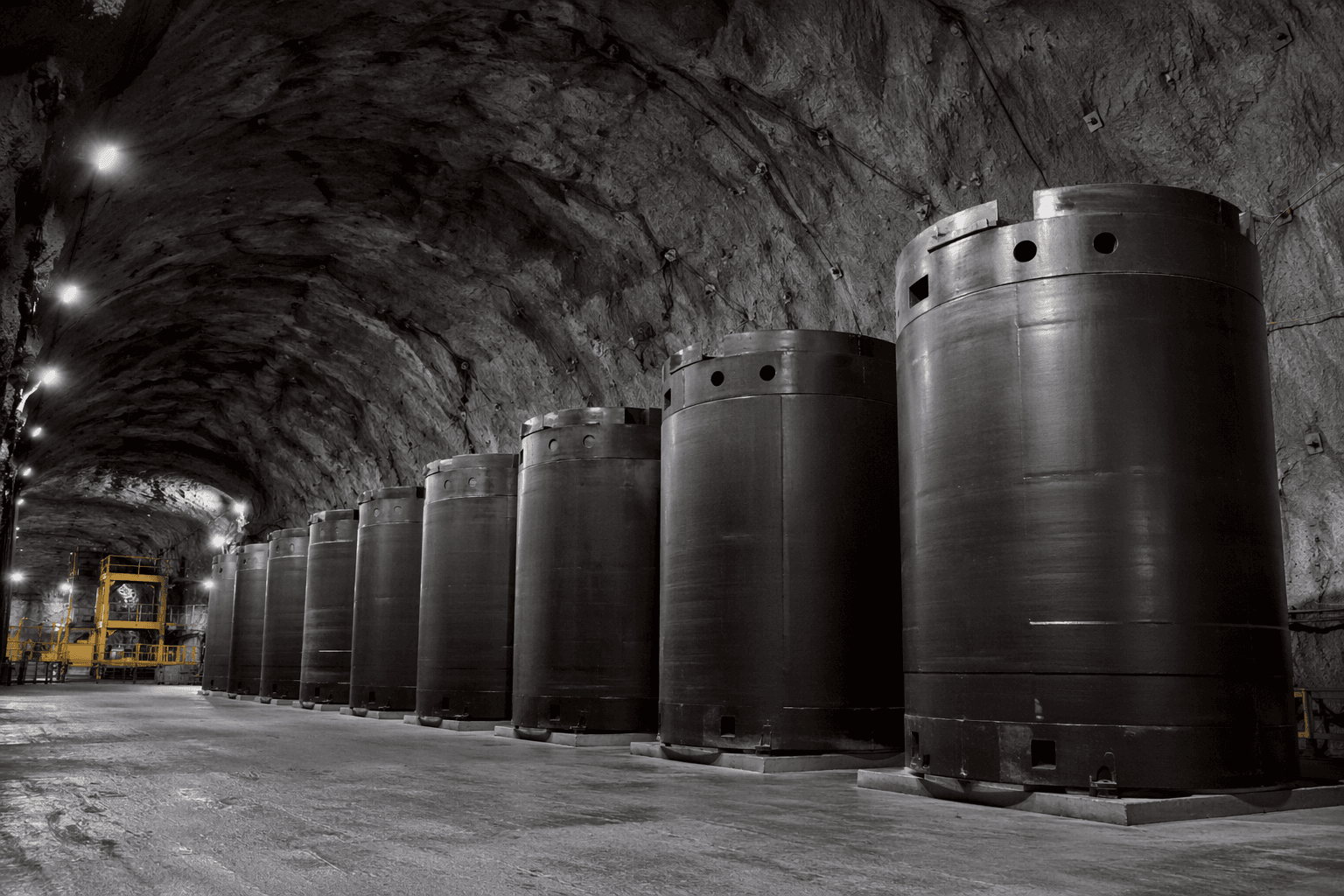
That matters because none of these technologies has yet reached commercial electricity production. Long-term offtake and direct corporate backing can change how lenders and investors view first-of-a-kind risk, especially in a sector that has historically depended on utility rate bases and public support to get projects built.
Amazon is making a similar bet with X-energy. The partnership targets more than 5 GW of new nuclear energy in the United States by 2039, and X-energy said the Amazon, Korea Hydro & Nuclear Power and Doosan Enerbility partnership could mobilize up to $50 billion in public and private investment for Xe-100 projects and related supply-chain expansion. That puts supply chain depth, not just reactor design, at the center of the financing story.
Google’s deal with Kairos Power is the clearest near-term race marker. Google said the initial phase is intended to bring Kairos Power’s first SMR online by 2030, then add further deployments through 2035, for up to 500 MW of advanced nuclear capacity. On paper, that makes Kairos one of the closest private-sector-backed paths to first power, even though licensing and construction risks remain steep.
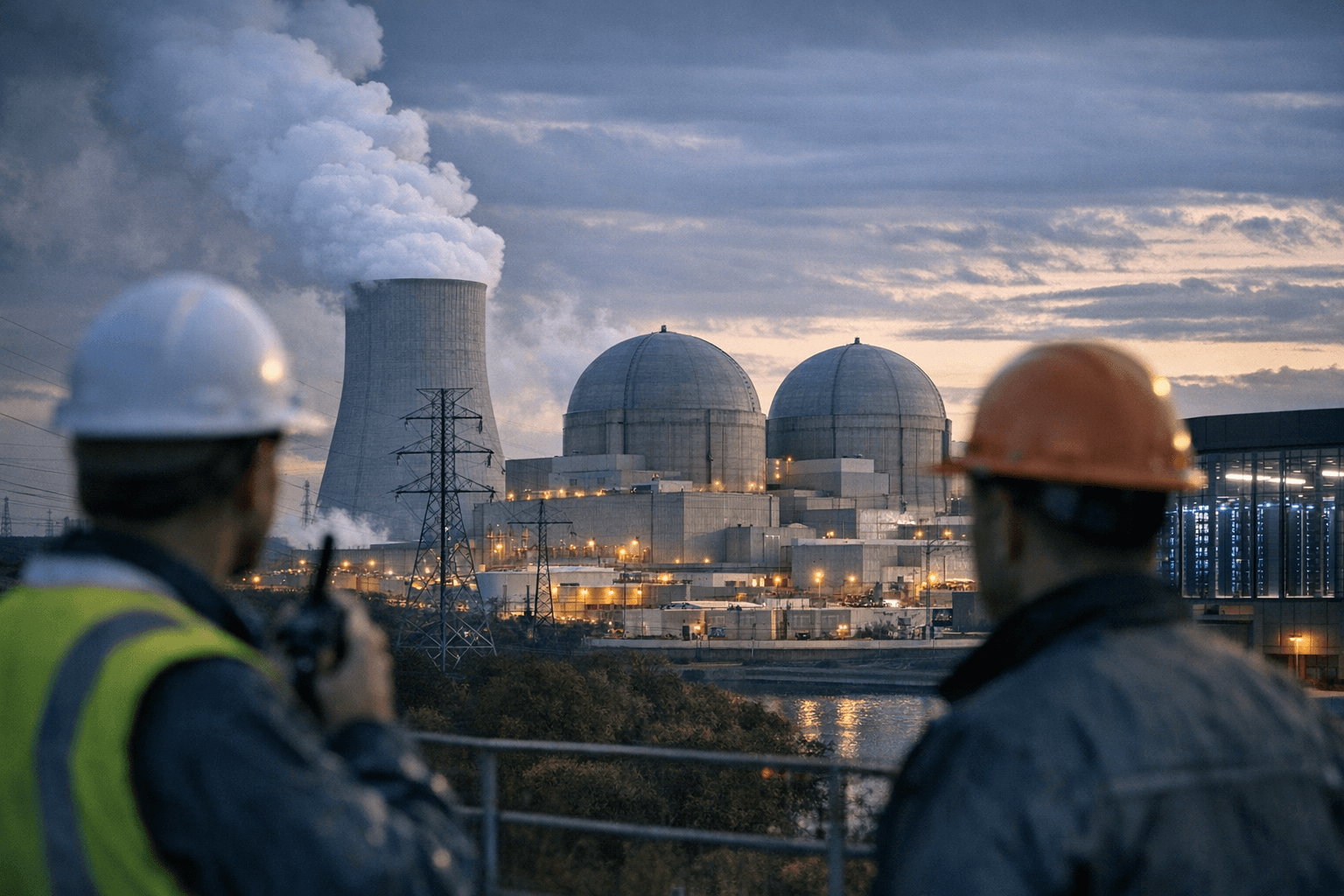
The demand backdrop is doing as much work as the corporate cash. The U.S. Energy Information Administration says electricity consumption is projected to keep growing through 2050, with data-center server energy use a major factor, and it has projected U.S. electricity demand to hit record highs in 2025 and 2026. The Department of Energy has said the country needs large amounts of additional firm power to complement variable renewables, while Vogtle Units 3 and 4 still stand as proof that new U.S. nuclear plants can be built, but at major cost and schedule pain. The new AI-era deals are a test of whether Big Tech can help carry that risk to construction.
This article was produced by Prism’s automated news system from verified source data, official records, and press releases, then run through automated quality and moderation checks before publishing. The system is built and supervised by the people who set the standards it runs under. Read our full AI policy.
Did this article answer your question?