UKAEA unveils 2026-2030 fusion strategy to advance STEP and industry base
UKAEA's new roadmap pushed STEP into design work, while tying Culham upgrades and a wider supply chain to a £1.3 billion commercial push.
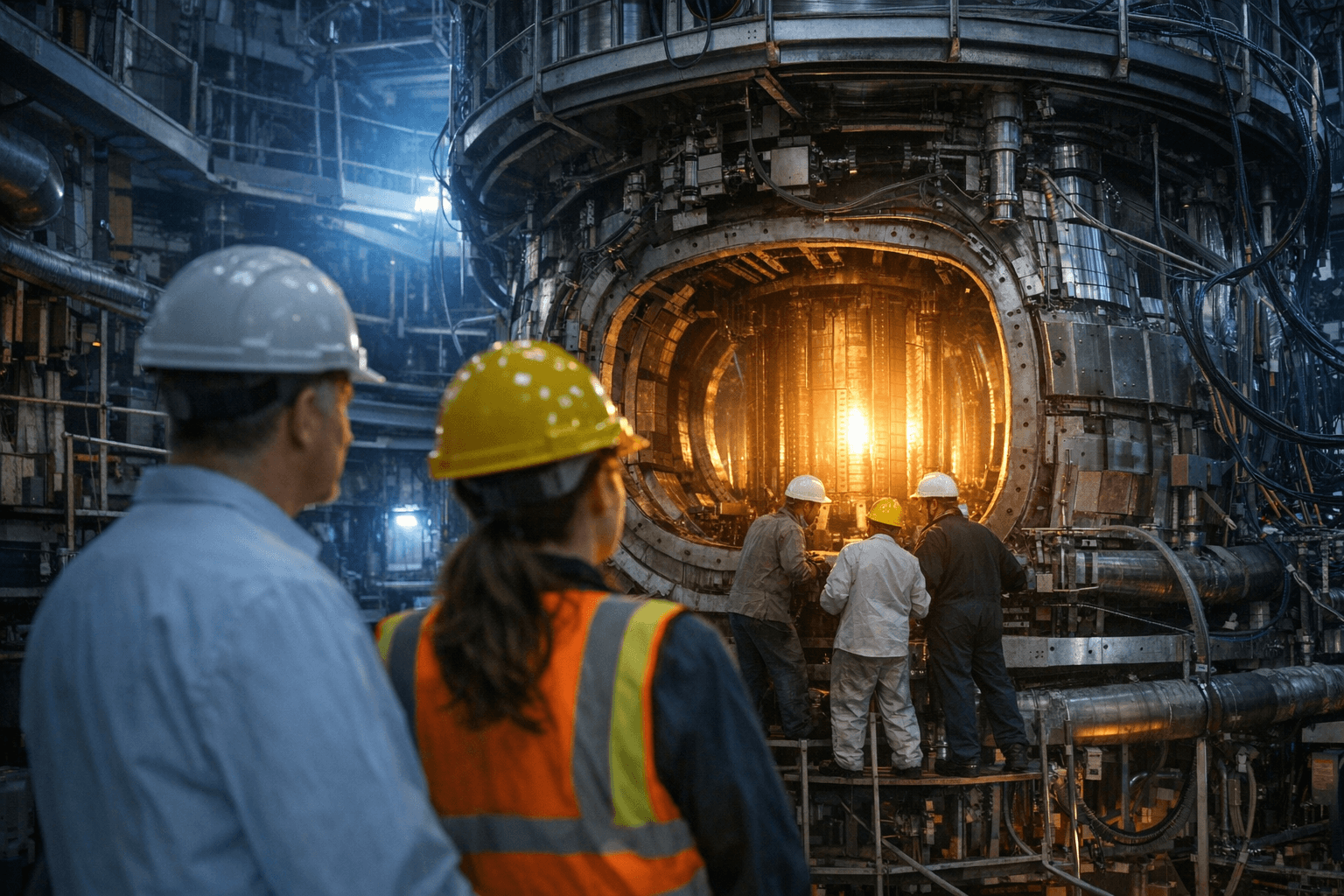
UKAEA moved fusion a step closer to industry with a 2026-2030 strategy built around one hard test: whether Britain can turn STEP from a prototype concept into a deployable power programme with suppliers, skills and facilities to match.
The plan, unveiled on April 14, put the detailed design of STEP, the prototype fusion power plant planned for West Burton in Nottinghamshire, at the centre of the next phase. UKAEA said it would support UK Fusion Energy Ltd to complete that design while also expanding the ecosystem of companies able to provide fusion products and services, a shift that pushes the programme beyond research and toward a commercial supply chain.
That industrial emphasis sits alongside a larger national framework laid down by the UK government on March 16. The government said it was backing fusion research and commercialisation with more than £2.5 billion over five years and described Britain as the first country to publish a fusion energy strategy in 2021, building on more than 60 years of work at Culham in Oxfordshire. In policy terms, the new message was clear: Britain wants fusion not just to be invented here, but built here.
Tim Bestwick, the UKAEA chief executive, framed the strategy as both a technical and an industrial mission, focused on developing the technologies future fusion plants will need while building a thriving commercial base around them. UKAEA said the roadmap also aimed to complete new internationally leading research facilities at Culham and grow a new generation of fusion scientists, engineers and technical experts.
The commercial logic was sharpened further by UK Fusion Energy Ltd, the UKAEA subsidiary responsible for a more market-facing posture. Its separate strategy, also published on April 14, said the global fusion market could be worth up to £12 trillion by 2100 and said it was backed by £1.3 billion in government investment. That document set out how the UK intends to deliver STEP and position itself inside a sector still years from first electricity, but already being treated as an industrial race.
The milestones are beginning to line up. STEP is targeting first operations in 2040, and the UKAEA-Eni H3AT Tritium Loop Facility at Culham is expected to be complete in 2028 and fully commissioned in 2030. That matters because tritium fuel-cycle systems are one of the most difficult pieces of the fusion puzzle, and the H3AT facility is meant to give Britain a lead in solving them.
Government materials say fusion already supports at least 2,400 jobs in the UK, and the new strategy aims to push that base outward by increasing the number of British firms delivering fusion products and services around the world. The UK Fusion Industry Association said the March strategy gave the global industry greater certainty, and the April roadmap made that certainty more concrete by tying policy, facilities and procurement to a visible path toward construction and operation.
This article was produced by Prism’s automated news system from verified source data, official records, and press releases, then run through automated quality and moderation checks before publishing. The system is built and supervised by the people who set the standards it runs under. Read our full AI policy.
Did this article answer your question?