Bill Gates-backed startup to build UK's first commercial fusion plant
Bill Gates-backed Type One Energy is pitching a 400 MWe fusion plant for the UK, but the real test is financing, permitting and grid delivery.
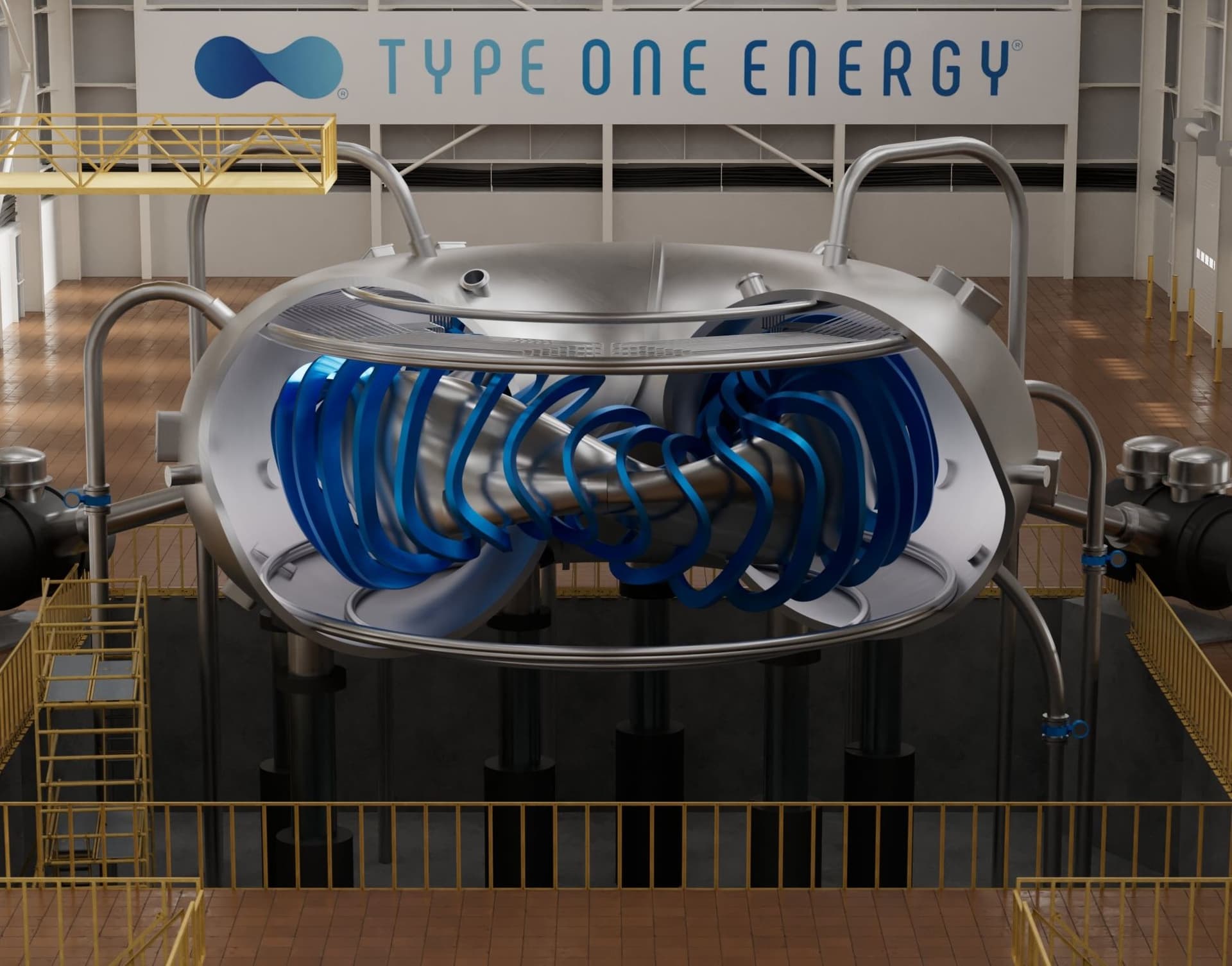
Bill Gates has a name on the cap table, but the harder story is the one behind it: whether a fusion plant can be turned from a promise into something banks, regulators and grid operators can actually treat as infrastructure. Type One Energy, backed by Breakthrough Energy Ventures, has joined Tokamak Energy and AECOM in the UK Infinity Fusion Consortium, a bid to build the country’s first private-sector-led commercial fusion plant.
The pitch centers on Type One’s Infinity Two design, a 400 MWe stellarator that the consortium says can be delivered with existing enabling technologies. That matters because “commercial” in fusion is not just a reactor that lights up in a lab. It means a plant sized for grid delivery, with a credible route to financing, a construction plan, a supply chain, and a regulatory path that can survive scrutiny outside the fusion community. Type One says its first US Infinity Two project at the Tennessee Valley Authority’s Bull Run site is targeting commercial operation in 2034, and the UK project is meant to build on that development path rather than start from scratch.
The timing also puts the project squarely in the middle of Britain’s own fusion ambitions. The UK government published a new fusion strategy on March 16, 2026, and said it will back fusion research and commercialisation with more than £2.5 billion over five years. Officials have framed fusion as a jobs and industrial strategy as much as an energy play, saying the sector could support more than 10,000 UK jobs by 2030. The country is also pushing ahead with STEP, its prototype plant at West Burton, Nottinghamshire, which is expected to start construction from 2030 and be completed by 2040.
That leaves the UK Infinity Fusion Consortium in a familiar but much sharper position than earlier fusion promises. Britain has long been strong on research, but the commercial timeline has usually lived far beyond the horizon of any realistic power market. This plan is different only if it clears milestones that look like heavy industry, not aspiration: a site, a financing close, a permitting track, a grid connection strategy, named construction partners and a schedule that survives procurement.
For the sector, the stakes are obvious. If Type One, Tokamak Energy and AECOM can move a 400 MWe stellarator into credible pre-construction, Britain would have something fusion has rarely offered before: a private-sector project that can be measured like a power station instead of a concept. Until then, the real headline is not that fusion is coming, but that the burden of proof has finally shifted from physics to delivery.
This article was produced by Prism’s automated news system from verified source data, official records, and press releases, then run through automated quality and moderation checks before publishing. The system is built and supervised by the people who set the standards it runs under. Read our full AI policy.
Did this article answer your question?