Solstice Advanced Materials posts 27% nuclear revenue growth, signs Hadron fuel deal
Solstice Advanced Materials lifted nuclear revenue 27% to $107 million and locked in a Hadron fuel-cycle deal, a sign conversion demand is moving upstream.
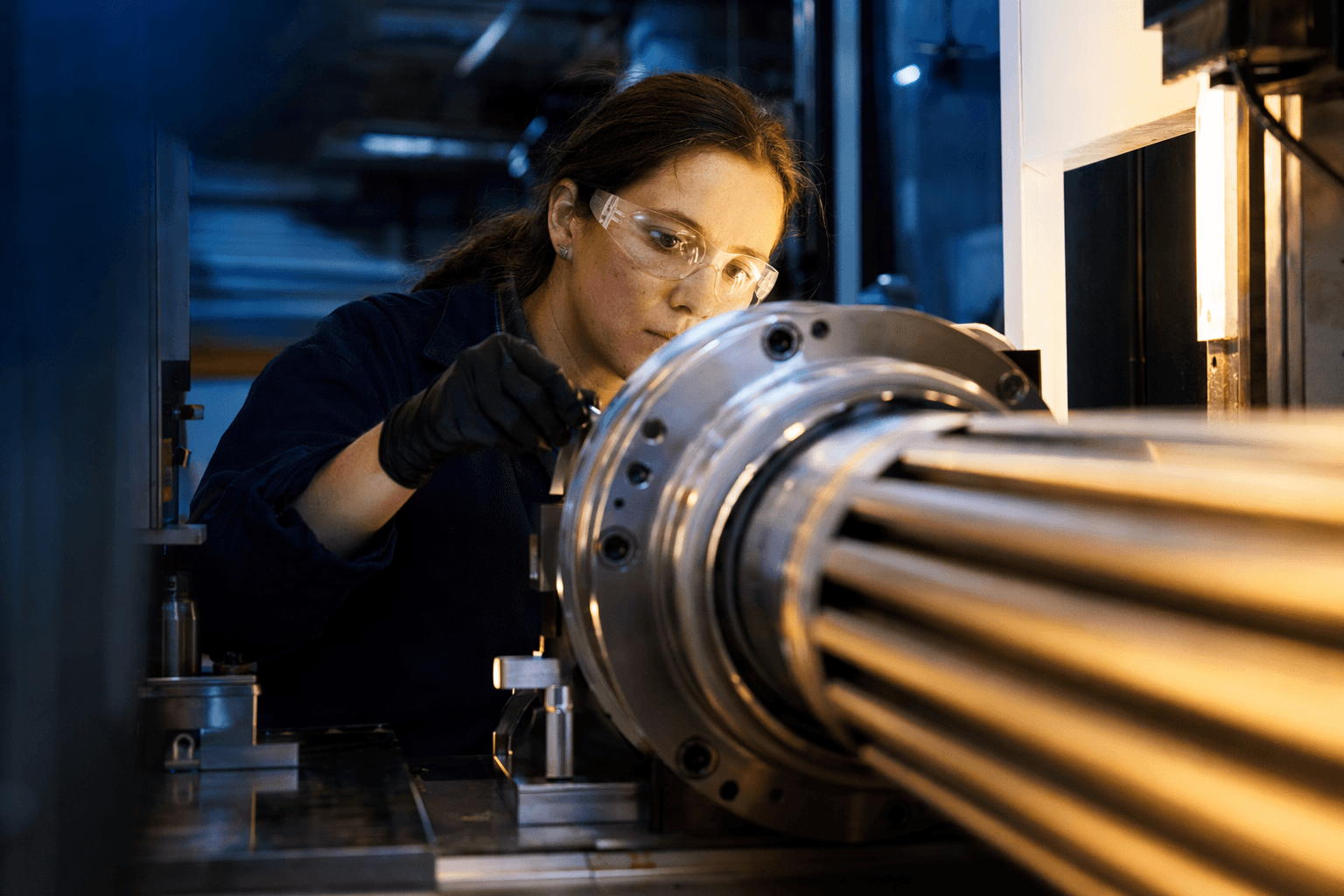
Solstice Advanced Materials lifted nuclear revenue 27% year on year to $107 million in the first quarter, but the sharper signal for the market was outside the earnings line: ConverDyn agreed to provide uranium conversion services to Hadron Energy, putting a new reactor vendor into a part of the fuel cycle that can decide whether projects move from design decks to real construction.
The deal matters because conversion is one of the first real choke points in the nuclear supply chain. Solstice said in February that its Metropolis Works plant in Illinois, the only domestic uranium conversion facility in the United States, was expected to produce more than 10,000 tonnes of uranium hexafluoride in 2026, about 20% above planned 2024 output. ConverDyn, the partnership between Solstice and General Atomics, is the exclusive marketing agent for all uranium hexafluoride produced at the NRC-licensed site, which gives the company a direct role in how supply reaches customers.
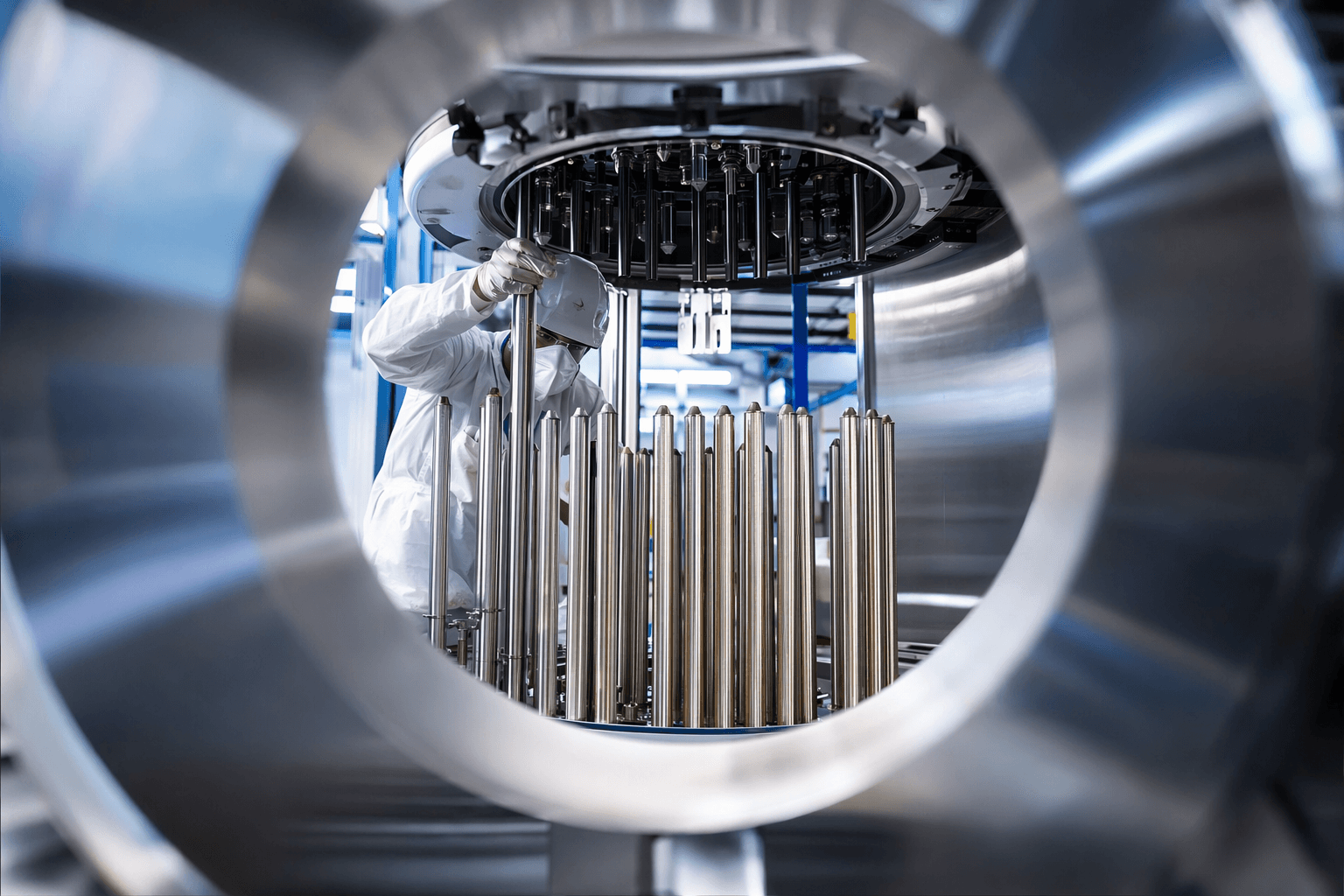
Hadron said on April 30 that it had secured the conversion agreement with ConverDyn for its Halo Micro-Modular Reactor, a 10 MWe light-water design intended for factory manufacturing and deployment at data centers and critical infrastructure. That places Solstice’s fuel-cycle business alongside one of the newer small-reactor efforts trying to turn future demand into signed supply contracts now, not later. For a market watching whether advanced reactor concepts can actually line up fuel, the agreement is more than a commercial footnote. It is a marker that vendor-to-supplier relationships are being built around real deployment pathways.
The broader backdrop makes that more significant. Fuel-cycle players have been warning that investment decisions need to be made now to avoid supply gaps as nuclear capacity grows. In March, FluxPoint Energy said it was developing what it expects will be the first new uranium conversion facility in the United States in 70 years, underscoring how tight the conversion picture has become. Against that setting, Solstice’s growth looks less like a one-quarter pop and more like evidence that demand is firming in the parts of the sector that support new builds, life extensions, and future fuel-cycle upgrades.
Solstice, spun off from Honeywell last year, has been presenting its nuclear business as part of a broader materials platform built for long-cycle demand rather than short-term price swings. Management also stressed balance-sheet flexibility and shareholder returns, a sign the company wants investors to see both momentum and discipline. In a market where reactor announcements often outrun supply-chain reality, the companies handling conversion and uranium hexafluoride are becoming just as important as the reactor vendors themselves.
This article was produced by Prism’s automated news system from verified source data, official records, and press releases, then run through automated quality and moderation checks before publishing. The system is built and supervised by the people who set the standards it runs under. Read our full AI policy.
Did this article answer your question?